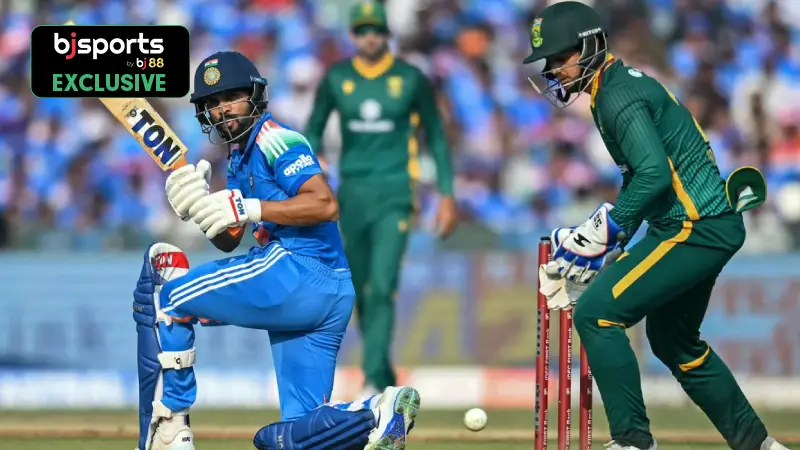
South Africa entered the field at Cuttack thinking 176 could be chased on most nights of Twenty20 cricket, but this was “not most nights.” The normal run chase turned into an eleven and three/over destruction in which the visiting team’s dressing room is left stunned. When India won by 101, they did not just win; India squeezed South African batsmen to death with their bowling and with the pressure in the field that there never was a true run chase.
A Powerplay Implosion That Never Allowed the Chase to Breathe
By the second over, South Africa were 16-2, and by the 5th over, they were 40-3 as shown on the scoreboard. In the first over, losing Quinton de Kock for a duck was significant because it was the loss of their best chaser and most experienced batter. The loss of Tristan Stubbs due to a reviewed decision and Aiden Markram being bowled at 5.1 overs prevented the top order from building a foundation. None of the top order batters scored more than 22; that lack of an anchor, and therefore a structure, put too much pressure on the middle order with respect to the required run rate and the discipline of the Indian bowling. Once the top order collapsed, there was no longer a flow or momentum to the chase.
Hardik Pandya’s Late Carnage and India’s Explosive Death Overs
Hardik Pandya’s knock of 59* in 28 deliveries was enough to flip the match. When Hardik entered the fray at 78-4 India, his aggressive innings took the total to 175-6 to make the chase nearly impossible. The scorecard also shows that India made large totals at the end of their innings, which are fatal to the chase side, with Hardik hitting multiple boundaries to make it even more difficult for South Africa to reach the target. This acceleration at the end made an otherwise reasonable total into a mentally and mathematically scary one for South Africa.
Failure to Adapt to a Surface Rewarding Discipline
The scoreboard suggests that the pitch was capable of providing movement, bounce, and was conducive to bowlers who were able to line up their bowling correctly. In this regard, India capitalized on the conditions, Arshdeep’s first wicket, Bumrah’s testing over by over, Varun’s pair of wickets, and Axar’s economical two overs to limit run scoring opportunities and gain wickets.
The South African batsmen repeatedly made errors with respect to the pace and bounce of the ball and dropped catches as they were unable to consistently rotate strike for their side. The visitors’ failure to build meaningful partnerships and their lack of patience when batting under pressure were clear examples of tactical shortcomings evident in the fall of wickets and the low individual totals scored.
SA’s defeat, ultimately, was due to the intersection of collapse, the rival’s attack, and a tactical disadvantage due to the conditions. The initial wickets eliminated the base for any sort of building at the start. A good finish by Hardik and a later charge by India converted their respectable score into a huge one, and the visitors never adapted to the conditions of the pitch that rewarded discipline. Until the chase became a simple formality rather than a competition, those issues compounded.
FAQs
What triggered South Africa’s early collapse?
Losing three top-order wickets inside five overs removed any chance to build a partnership.
Who changed the game for India?
Hardik Pandya’s 59* off 28 provided the late momentum and extra runs that made the chase unmanageable.
Did conditions play a big role in the result?
Yes, bowling figures and dismissals suggest the pitch rewarded disciplined bowling, and South Africa failed to adapt.
Disclaimer: This Exclusive News is based on the author’s understanding, analysis, and instinct. As you review this information, consider the points mentioned and form your own conclusions.
For more exclusive updates, visit BJSports to access Exclusive News that is only for you, incisive analysis, and updates, and to keep up with all of the latest information on your favorite remarkable cricket players and teams. To ensure you never miss out, join in on the fun right away!
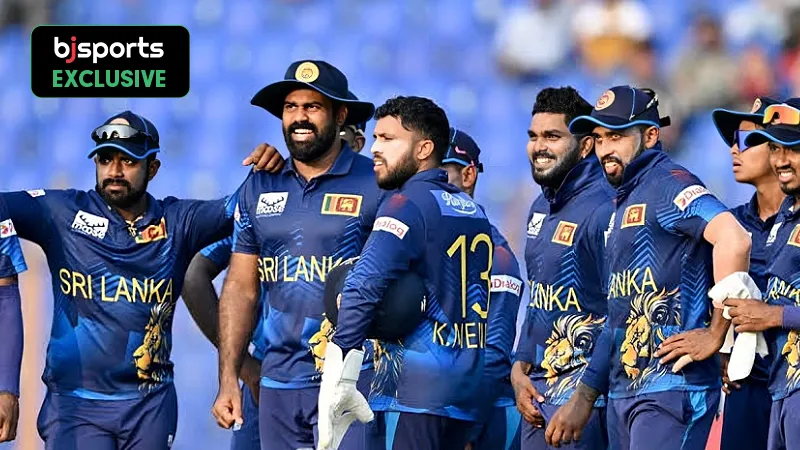 Predicted Playing XI of Sri Lanka in 2nd T20I against England
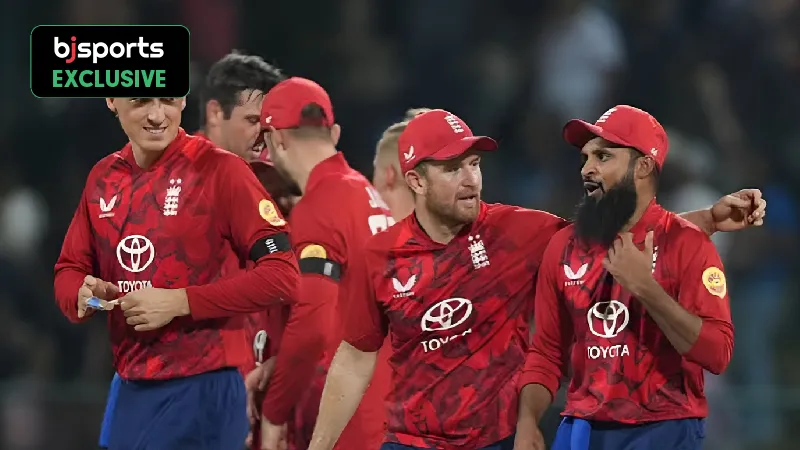 Predicted Playing XI of England in 2nd T20I against Sri Lanka
 Top 3 player battles to watch out for in Match 35 of CPL 2026 between Barbados Tridents and Guyana Amazon Warriors
 Top 3 bowlers to watch out for in Match 35 of CPL 2026 between Barbados Tridents and Guyana Amazon Warriors