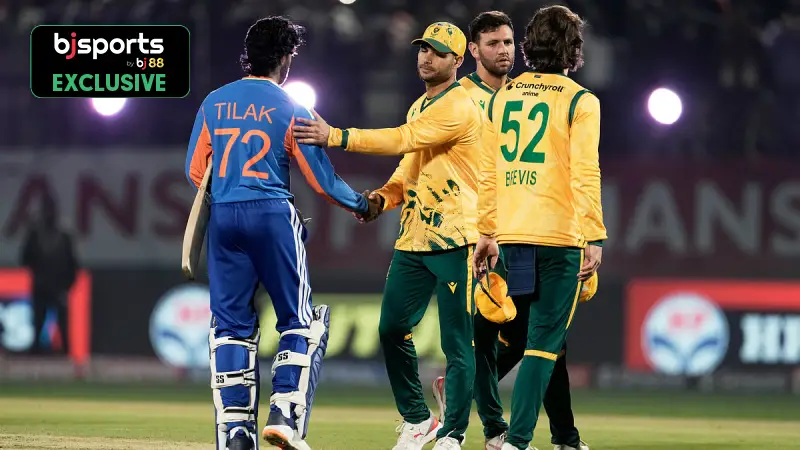
The South Africa tour of India 2025 at Dharamsala had an air of potential to it, and by that point, there was nothing left but the all-too-familiar sinking feeling. The fresh mountain air combined with the shine of a new ball, and the early movement of the ball should have been enough to set up for a real contest. Instead, by the time Shivam Dube hit his last shot with 25 balls remaining in hand, the match felt overlong before the score caught up. While South Africa never really took the lead, they did lose control in phases when the majority of decisions in a T20 match are made.
A Top-Order Meltdown That Set the Tone
The script of South Africa’s loss was written into the first 8 balls of play. Reeza Hendricks out for a duck, Quinton De Kock out lbw for 1. Then the game was over, and South Africa was two for one. 2/1 would be a good score for any team in conditions that had seen a par score of 160. The damage caused by the double strike, however, went far beyond the actual loss of two wickets. It crushed the confidence of South Africa as they could no longer pursue the aggressive options available to them during their power play. Rather than taking advantage of the power play to attack, South Africa used this time to rebuild while trying to survive. At the end of the sixth over, they were 4 for 6 runs.
Arshdeep Singh’s Spell That Quietly Won the Match
The game didn’t tip due to an extreme over or a show-stopping hat trick; it tipped as Arshdeep Singh made it seem as though you could score if you wanted, and that making it through was always going to be temporary. Arshdeep’s numbers (2-13 in 4) are misleading about how much control he had in this match. Arshdeep controlled the flow of the game from the very first ball he bowled with his early inswinging delivery to Hendricks, which gave South Africa the feeling that they were already in trouble. The last nip to bowl out Markram basically ended the South African inning, and anything in between stifled all of South Africa’s batting options.
Failure to Adapt to Bat and Ball
South Africa made a similar error with their batting that they had previously committed with their bowling at this venue. They played as if Dharamsala was a low-paced wicket in the subcontinent rather than an up-and-down pitch. Their decision to avoid hitting flat, horizontal bat shots early, and also being reluctant to hit towards the short boundaries allowed the Indian bowlers to control the tempo of play.
With the ball in hand, the situation reversed; defending a total of 117 needed both immediate aggression and steady discipline. Instead, with Abhishek Sharma smashing 35 off 18 balls, he eliminated any scoreboard pressure within 5 overs. Regardless of how well South Africa’s bowling unit performed, Nortje allowed only 14 runs in 3 overs, but it was all too late. The lack of team effort as a whole, including no series of consecutive dot balls that would have forced India into making an error, also played a role in this. Overall, India scored at a run rate of 7.57 per over without appearing even remotely threatened by South Africa, and that tells you everything you need to know.
FAQs
Why did South Africa struggle so badly in the powerplay?
Early swing and indecisive shot selection led to the loss of both openers within eight balls.
Who was the turning point player in the match?
Arshdeep Singh, whose new-ball and death overs strangled South Africa’s scoring options.
Was 117 ever a defendable total?
Not without early wickets and sustained pressure, both of which South Africa failed to deliver.
Disclaimer: This Exclusive News is based on the author’s understanding, analysis, and instinct. As you review this information, consider the points mentioned and form your own conclusions.
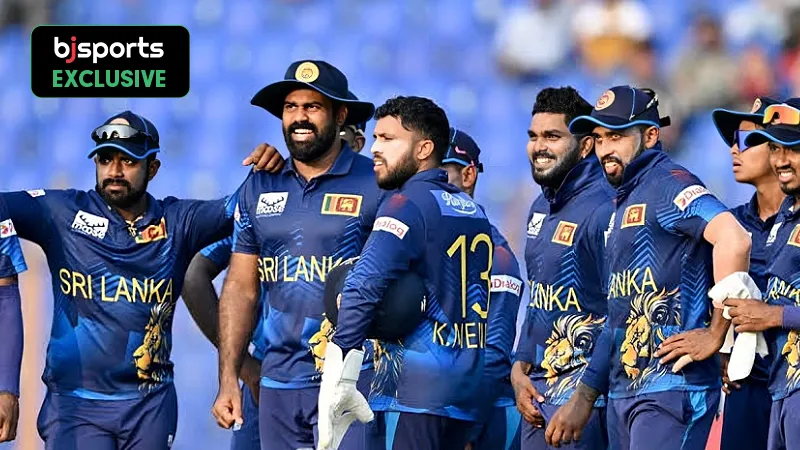 Predicted Playing XI of Sri Lanka in 2nd T20I against England
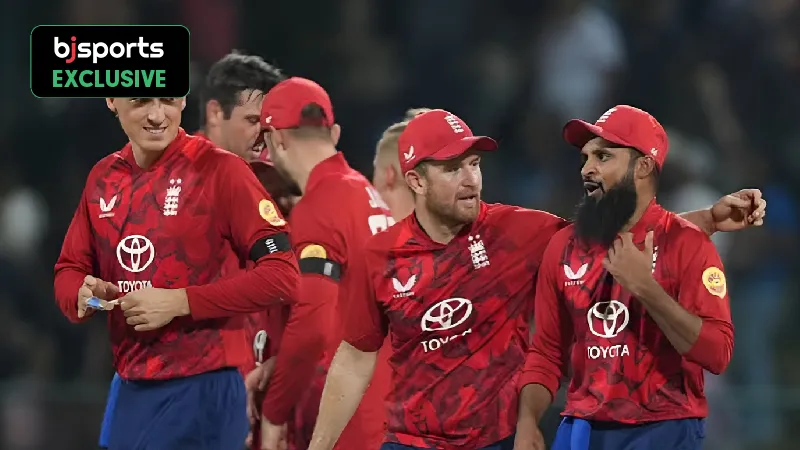 Predicted Playing XI of England in 2nd T20I against Sri Lanka
 Top 3 player battles to watch out for in Match 35 of CPL 2026 between Barbados Tridents and Guyana Amazon Warriors
 Top 3 bowlers to watch out for in Match 35 of CPL 2026 between Barbados Tridents and Guyana Amazon Warriors