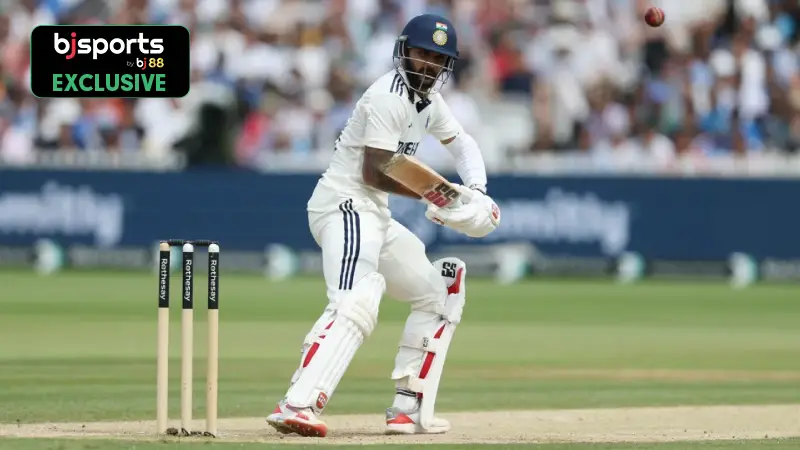
The game of cricket often celebrates the individuals who take the wickets or score a hundred runs. But occasionally the die is allowed to sound its own note, for the quieter roles play the loudest note, for the unbeaten scores tell their own glorious tale. Nitish Kumar Reddy bowled four overs and batted once in two tests played against the West Indies, hardly a high-lit reel. What then was the cause of his presence in the team? Was it a waste of space or a well-calculated investment?
The Role of a Passenger: Tactical Necessity or Wasted Seat?
In Ahmedabad, his four overs consisted of little more than a practice jog bowled very early in the day on a greenish-looking Day 1 pitch, and never called upon again. Since he had to wait long for assistance from Delhi-ward, the medium pacer was a spectator. The Indian attack, well furnished with three real spinners, hardly missed any of their overs. This was strategically the correct move to play your best XI for the circumstances presented. But it illustrates an Indian fault for repetition. The team would like to have a seam-bowling all-rounder, but is fazed into giving him little opportunity here at home, where surface conditions are almost favourable for seamers.
Grooming Beyond the Scoreboard
For Gambhir and Shubman Gill, wickets or averages were not the goal of absorption. The reasoning is based on the notion of developing a young wicketkeeper by getting him to travel and watch how the older generation goes about their work. Reddy, at 23 years of age, is learning how to live in the rhythms of Test cricket: field settings, discipline in bowling, and mental recovery. “You don’t want to throw him in only to the fire overseas,” Gambhir said. It is a consideration of the long game.
Stats That Reveal India’s Intent
In two Tests, Reddy bowled only 0.8% of the overs bowled by India. The number rings alarm bells about how badly he was underused until you consider the number of overs that went to Bumrah and Siraj, who bowled over 40% of the overs between them, and the rest of the overs bowled by the spinners. So there was no opening for Reddy to step into. Batting was a different matter; his innings were short, true, but very effective – a strike rate of 79 in Delhi, and nice footwork displayed against spin.
Expert Insight – The Long Road to Seam Allrounder Stability
Fear about getting the seam-bowling allrounder right is an emotion older in India than Reddy himself. All the gambits between Kapil Dev’s retirement in 1994 and the current injuries of Pandya post 2019 were also again of unfinished experiments. Reddy’s development programme seems different: slow, careful, and indifferent to the conditions. In history, the great Test cricketers from India, Dravid in 1996 or Jadeja in 2012, come to mind, reached their places of eminence by the device of evolving their parts, not evolving’ into them the other way round.
Nitish Reddy did not influence the West Indies series; he influenced his understanding of what test cricket demands. At times, progress is hidden behind dull scorecards. For India, this was not about impact; it was about investment. They have resolved to create a seam-bowling allrounder the old way, with toil, exposure, and education. The returns of this toil may not be in force in 2025, but on a seaming morning at Lord’s or Wellington, India may bless its stars for letting Reddy sit, and watch, and learn before being cast into the storm.
Key Takeaway:
Sometimes the smartest development move in Test cricket is to let a player not play — but learn how to belong.
FAQs
1. Why did India pick Nitish Reddy if he barely bowled or batted?
India wanted to give him Test exposure and experience rather than immediate workload.
2. What role does India see for Reddy in the future?
They view him as a potential seam-bowling allrounder for overseas conditions.
3. Was his limited bowling a tactical decision?
Yes — Indian pitches favored spinners, making his medium pace unnecessary.
Disclaimer: This Exclusive News is based on the author’s understanding, analysis, and instinct. As you review this information, consider the points mentioned and form your own conclusions.
For more exclusive updates, visit BJSports to access Exclusive News that is only for you, incisive analysis, and updates, and to keep up with all of the latest information on your favorite remarkable cricket players and teams. To ensure you never miss out, join in on the fun right away!
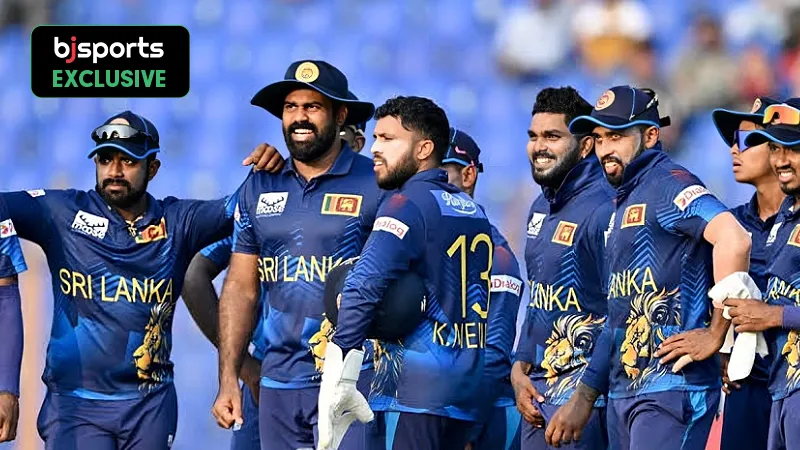 Predicted Playing XI of Sri Lanka in 2nd T20I against England
 Predicted Playing XI of England in 2nd T20I against Sri Lanka
 Top 3 player battles to watch out for in Match 35 of CPL 2026 between Barbados Tridents and Guyana Amazon Warriors
 Top 3 bowlers to watch out for in Match 35 of CPL 2026 between Barbados Tridents and Guyana Amazon Warriors