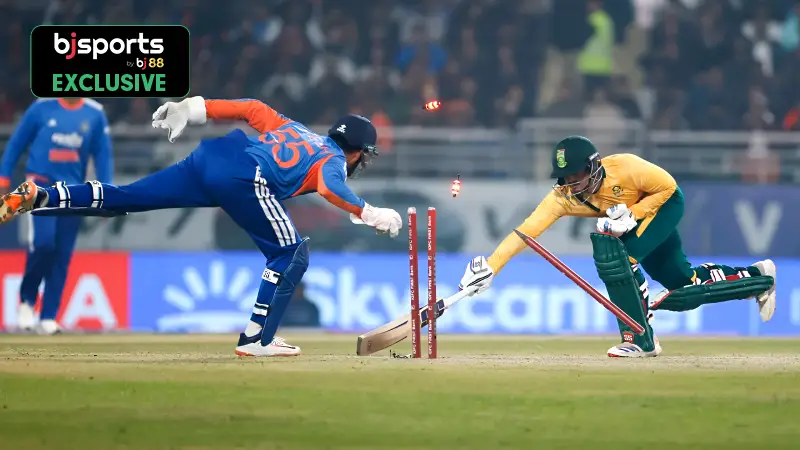
The start to India’s run chase in New Chandigarh had flashes of brilliance, but ultimately it lacked a steady flame. The beginning of India’s demise came immediately as Shubman Gill hit his first ball to the boundary, then Abhishek Sharma soon after hit a nick; however, the positive signs for the Indians did arrive, albeit briefly, as a result of Tilak Varma’s 62 off 47 balls. However, South Africa’s total, with Quinton de Kock’s explosive batting, along with a defensive approach by the bowlers in the death overs, gave India a task that was clearly going to need more than cameo performances. Ultimately, 214 was clearly chaseable on paper, but India never established an ongoing flow of runs. Below are the top three factors that led to India losing by 51 runs.
Top-order collapse and the lost momentum
India’s top order collapsed at an awful time. In the first two overs of a T20 chase that calls for speed and tempo, India lost two wickets, including one for a zero by Gill to Ngidi and another for 17 off eight balls by Abhishek Sharma. This left India with 19 runs for two wickets. The loss of Suryakumar Yadav, who made five runs off four deliveries, just added to the difficulties of India’s rebuilding process. Rebuilding in a chase that does not allow for the luxury of rebuilding is always going to be difficult. Varma’s 62 off 34 deliveries was excellent, and it is a great knock when a player can attack as he did.
Quinton de Kock and the platform South Africa built
Quinton de Kock’s 90 from 46 deliveries was the most significant counter-attack to the Indians’ batting and ultimately defined the game for SA. He hit the ball very well, but more importantly, he hit it hard as he had five fours and seven sixes, which turned what could be an even match into a blowout for SA. His strike rate of almost 200 meant SA were always on top in the middle overs and never lost the initiative. The run-machine was removed for 156/3, and then Donovan Ferreira (30 from 16) and David Miller (20 from 12) completed the job.
On the other hand, India’s bowling attack hemorrhaged runs in the 10th-16th over window when they conceded 92 runs. However, Varun Chakravarthy was the one Indian bowler who returned value with two wickets for 29 runs. The rest of the Indian seamers allowed boundaries and wides at the worst possible moment. Bottom line, Quinton de Kock did not only hit big numbers, but he also changed the nature of the game as he forced the Indians to attempt a record-breaking high-pressure chase.
Failure to adapt to bowling, fielding, and finishing lapses
India’s inability to adjust to match rhythm and conditions after the early wicket and de Kock onslaught ultimately led to their downfall. The four for (4/24) by Ottneil Baartman came at predictable lines and attacked the stumps with extreme efficiency as he not only ended partnerships but also eliminated the possibility of a late push for the Indian team. India’s lower order produced little or no runs for the team, Dube, Arshdeep, and Varun, while South Africa’s lower middle order provided pressure-free runs down the stretch.
The defeat of India was not one bad decision masquerading as poor luck; it was a combination of factors: an early batting collapse that gave away all momentum for India, a first-class reply by De Kock, which made the target a massive one, and finally a lack of adaptability both with the ball and in the field as the pressure mounted. The lone effort of Tilak Varma was courageous; however, it was a fight in a team sport, and South Africa clearly had the better of the script tonight.
FAQs
Why did India lose by such a large margin?
Early top-order wickets and de Kock’s 90 created a gap India couldn’t bridge; poor death bowling compounded the problem.
Who was the standout performer for South Africa?
Quinton de Kock his 90 off 46 laid the foundation and shifted the game irreversibly.
Could India have chased 214 with a different approach?
Yes, earlier consolidated partnerships and more aggressive middle-overs batting, plus tighter death bowling, would have made it competitive.
Disclaimer: This Exclusive News is based on the author’s understanding, analysis, and instinct. As you review this information, consider the points mentioned and form your own conclusions.
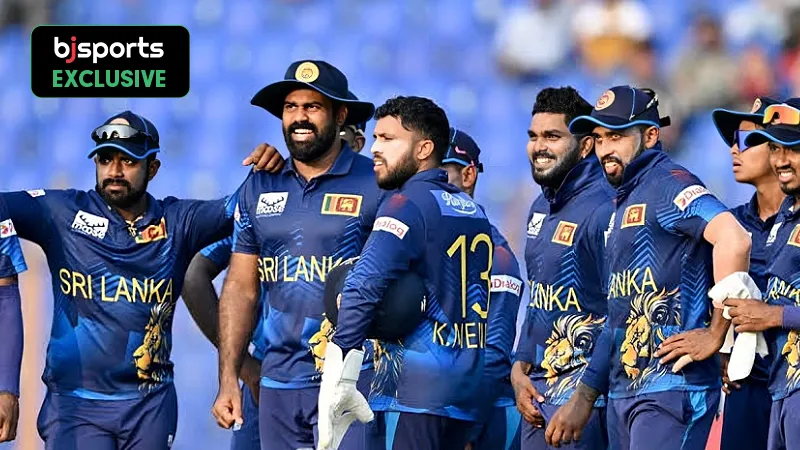 Predicted Playing XI of Sri Lanka in 2nd T20I against England
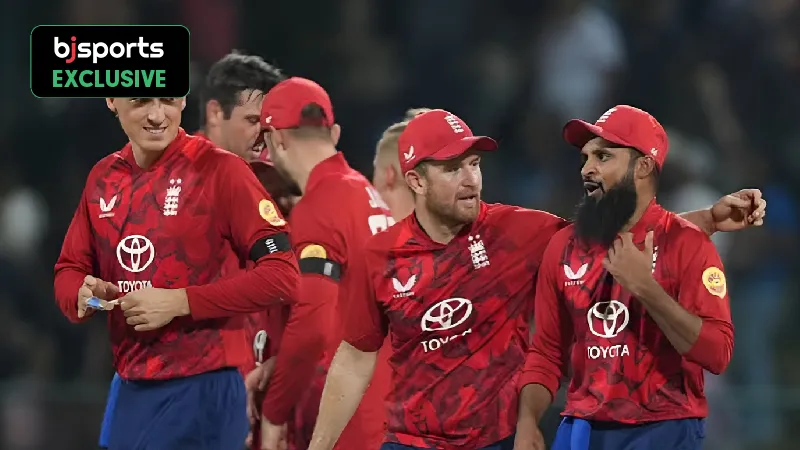 Predicted Playing XI of England in 2nd T20I against Sri Lanka
 Top 3 player battles to watch out for in Match 35 of CPL 2026 between Barbados Tridents and Guyana Amazon Warriors
 Top 3 bowlers to watch out for in Match 35 of CPL 2026 between Barbados Tridents and Guyana Amazon Warriors