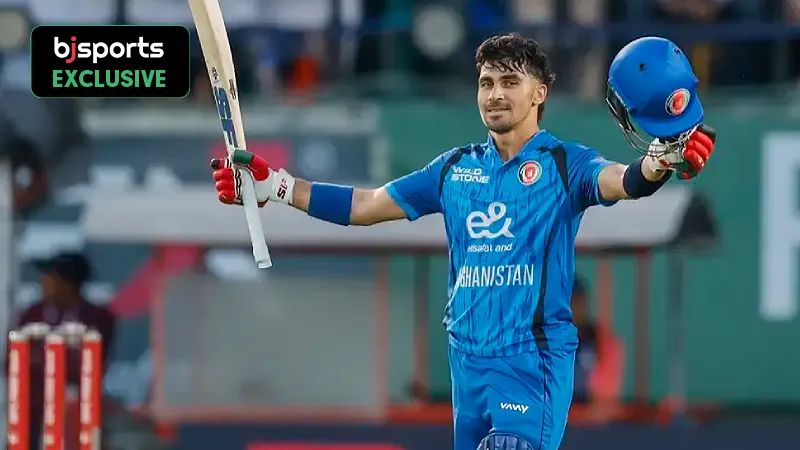
Match 1 | IND vs AFG ODI Series 2026 | Dharamshala | 13 June 2026
Rahmanullah Gurbaz hit 102 off 51 balls. Afghanistan was bowled out for 194 in 24.5 overs. India won by seven wickets. The surface-level explanation writes itself: a great innings in a losing cause, debutants did well, death overs collapsed. Every site will run that version. The structural version, the one that actually explains why Afghanistan keeps reaching this ceiling, is something else entirely.
Gurbaz’s Century Masked a Structural Problem
When Gurbaz was dismissed in over 15.3, Afghanistan were 142 for 4. They had six overs remaining. The question was never whether Afghanistan could bat out those six overs; it was whether anyone other than Gurbaz could bat out those six overs. The answer was no. The remaining six wickets fell for 52 runs. Five of them fell in the death phase, between the 20th and 24.5th overs, for just 29 runs. Gurbaz’s 102 accounted for more than half of Afghanistan’s total. The other ten batters combined for 80 runs, a number that tells the real story of this innings.
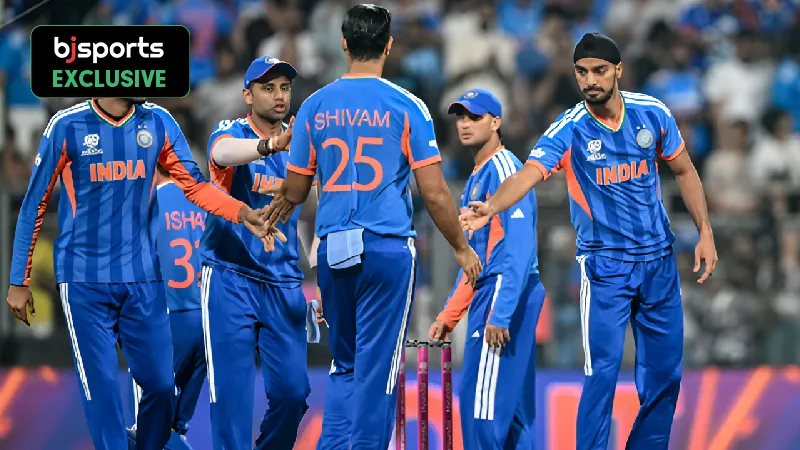
IND vs AFG 1st ODI 2026 Afghanistan Batting Collapse
| Batter | Runs | Balls | FOW | Bowler |
| Ibrahim Zadran | 1 | 4 | 1-13 (1.5) | Gurnoor Brar |
| Sediqullah Atal | 0 | 2 | 2-16 (2.3) | Arshdeep Singh |
| Rahmat Shah | 3 | 8 | 3-26 (4.3) | Arshdeep Singh |
| Rahmanullah Gurbaz | 102 | 51 | 4-142 (15.3) | Nitish Kumar Reddy |
| Hashmatullah Shahidi | 27 | 28 | 5-144 (16.3) | Harsh Dubey |
| Mohammad Nabi | 9 | 13 | 6-172 (20.3) | Nitish Kumar Reddy |
| Azmatullah Omarzai | 26 | 16 | 7-182 (21.2) | Harsh Dubey |
| AM Ghazanfar | 0 | 2 | 8-182 (21.4) | Gurnoor Brar |
| Rashid Khan | 9 | 8 | 9-193 (24.3) | Gurnoor Brar |
| Ziaur Rahman | 1 | 2 | 10-194 (24.5) | Gurnoor Brar |
Five Wickets for 29 in the Death
Nabi came in and managed 9 off 13 before being caught at long-off off Nitish Reddy in over 20.3. Omarzai, the one player who might have given the death overs some ballast, scored 26 off 16 before being bowled by Harsh Dubey in over 21.2. Ghazanfar and Rashid followed in quick succession. Gurnoor Brar picked up two wickets in the final over to wrap the innings in 24.5 overs. Afghanistan ended on 194 when the target they needed, Shahidi’s own post-match figure of 220-230, required a batting performance from numbers 7 through 9 that they cannot yet produce.
Dubey and Brar Exploited the Middle-Order Gap
Dubey’s 3/47 on debut tells only part of the story. He went for 16 runs in his first over. Brought back in the 17th over, he dismissed Shahidi immediately and returned to dismiss Omarzai in the 21st. Left-arm spin found grip on a Dharamshala surface that had turn available for slow bowlers. Gurnoor Brar’s 3/27 was even more composed: he opened the bowling, took the first wicket in over 1.5, and cleaned up the tail in the final over. Neither debutant was unlucky. They found what Afghanistan’s middle order does when there is no Gurbaz at the other end: it gets out.
This Batting Pattern Keeps Repeating
This was the same structural fragility Afghanistan showed in the 2025 World Cup and in series before that. Gurbaz is the batter their ODI game is built around. When he goes early, they collapse entirely; when he goes late, as happened here, they reach a total that looks respectable but is 30-40 runs light. Shahidi acknowledged it directly after the match: Afghanistan made mistakes after Gurbaz fell. The long-term question for their selectors is not how to find a middle-order batter who can score 30 off 16. It is how to find one who can score 40 off 35 when the game demands consolidation. Until they do, the IND vs AFG 1st ODI 2026 Afghanistan batting collapse is a template that will keep repeating.
Who picks Afghanistan’s middle order apart next? Drop your take in the comments.
FAQs
What happened in India vs Afghanistan 1st ODI 2026?
India beat Afghanistan by seven wickets in a rain-reduced 25-over match at Dharamshala on June 13, 2026. Afghanistan were bowled out for 194 in 24.5 overs despite Gurbaz’s 102 off 51 balls; India chased 195 in 22.5 overs with Shubman Gill scoring 84 not out.
How many runs did Rahmanullah Gurbaz score vs India?
Rahmanullah Gurbaz scored 102 off 51 balls, including eight fours and eight sixes, the fastest ODI century by an Afghan batter. He was dismissed in over 15.3 by Nitish Kumar Reddy, bowled by a slower delivery, after which Afghanistan lost six wickets for 52 runs.
Who took wickets for India vs Afghanistan in the 1st ODI?
Gurnoor Brar and Harsh Dubey each took three wickets on their ODI debut, with Arshdeep Singh and Nitish Kumar Reddy adding two each. Brar finished with 3/27, including two wickets in the final over; Dubey took 3/47 with his first wicket in over 17.
What is Harsh Dubey’s bowling record in ODIs?
Harsh Dubey is a 23-year-old left-arm spin-bowling all-rounder from Vidarbha who made his ODI debut against Afghanistan on June 13, 2026. He took 3/47 in five overs after claiming a record 69 wickets in the 2024-25 Ranji Trophy season.
Disclaimer: This Exclusive News is based on the author’s understanding, analysis, and instinct. As you review this information, consider the points mentioned and form your own conclusions.
 Predicted Playing XI of Sri Lanka in 2nd Semi-Final of Asian Games 2026 against India
 Predicted Playing XI of India in 2nd Semi-Final of Asian Games 2026 against Sri Lanka
 Bangladesh Predicted XI in Quarter-final 4 of Asian Games 2026 vs Malaysia
 Predicted Playing XI of India in Quarter Final 2 of Asian Games 2026 against Afghanistan