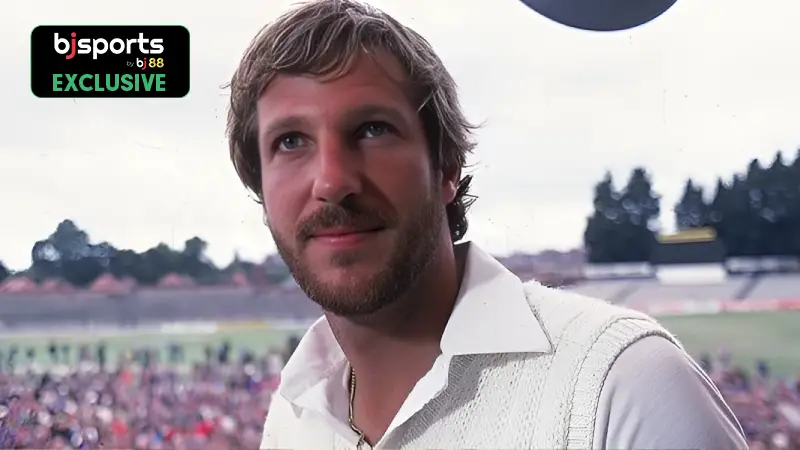
On this day in 1955, one of the greatest all-rounders in cricket history and England’s most influential sporting figure of the 1980s, Sir Ian Botham, was born. Botham’s career saw him lead England both with bat and ball.
He began his professional cricket career with Somerset in the early 1970s, and his performances fast-tracked him to the national team. Notably, in 1974, while facing West Indies quick Andy Roberts, he was hit on the face with his teeth flying, yet he batted on.
He made his Test debut at Trent Bridge in 1977 and clinched a five-wicket haul that helped England secure their first win over Australia at the venue since 1930. Over the next three years, Botham became England’s premier all-rounder, scoring runs and delivering solid spells.
By 1980, at the age of 24, he was appointed as England captain. He went winless in 12 Tests, though 10 of those matches were against a dominant West Indies team. His resignation in 1981 marked a turning point, not only in his career but in English cricket history.
The 1981 Ashes series remain one of the greatest moments from Botham’s career. Dropped as captain after a pair at Lord’s and under immense media pressure, he produced three performances under Mike Brearley’s leadership. At Headingley, with England facing a 500-1 defeat, Botham smashed an unbeaten 149, rescuing his team from humiliation. England went on to win by 18 runs, only the second victory in history after being asked to follow on. At Edgbaston, he took 5 for 11 to secure a 29-run win. At Old Trafford, he hammered 118, a knock containing six sixes, ensuring the Ashes returned to England.
In 1986, after a cannabis-related suspension, he returned to The Oval to surpass Dennis Lillee as Test cricket’s leading wicket-taker, achieving the milestone with his first 12 deliveries. Botham retired with 5,200 Test runs, 383 wickets, and 14 centuries.
Off the field, Botham became a philanthropist. His long-distance charity walks have raised more than 12 million Euros for leukaemia research, earning him a knighthood in 2007. In 2009, he was inducted into the ICC Hall of Fame.
Disclaimer: This Exclusive News is based on the author’s understanding, analysis, and instinct. As you review this information, consider the points mentioned and form your own conclusions.
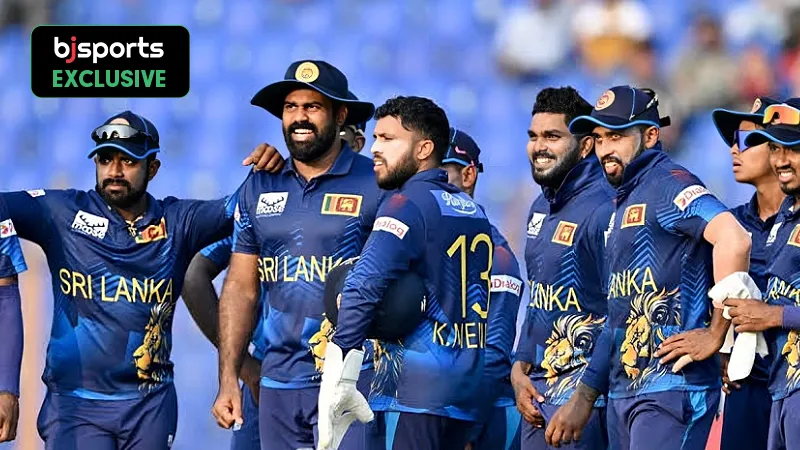 Predicted Playing XI of Sri Lanka in 2nd T20I against England
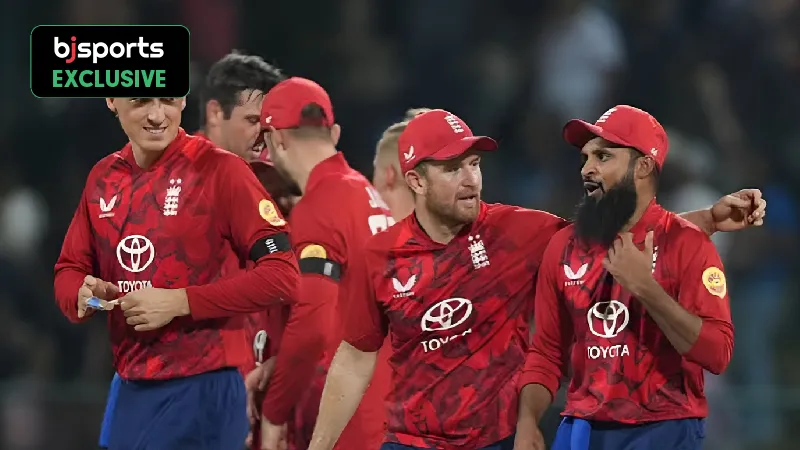 Predicted Playing XI of England in 2nd T20I against Sri Lanka
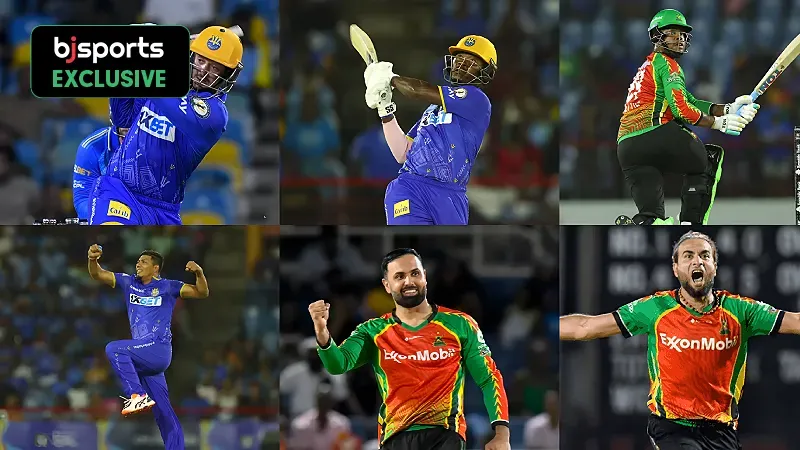 Top 3 player battles to watch out for in Match 35 of CPL 2026 between Barbados Tridents and Guyana Amazon Warriors
 Top 3 bowlers to watch out for in Match 35 of CPL 2026 between Barbados Tridents and Guyana Amazon Warriors