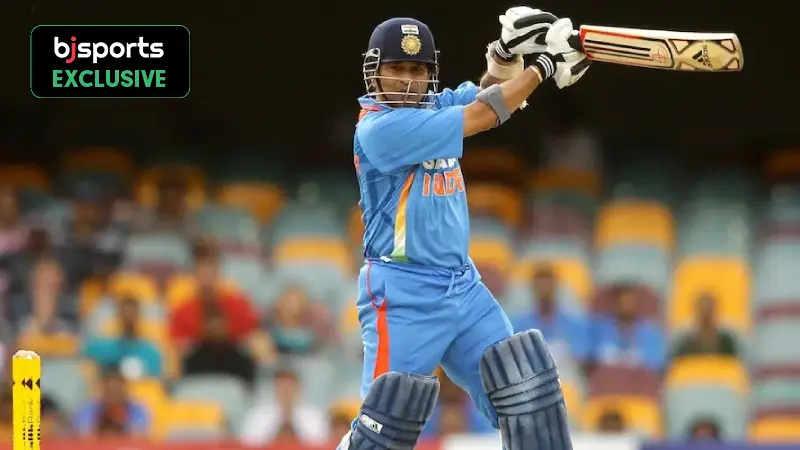
India’s legendary ‘Master Blaster’ Sachin Tendulkar announced his retirement from One Day Internationals on March 18, 2012, bringing the curtain down on one of the most iconic careers in cricket history. After more than two decades at the highest level and over 460 appearances, Tendulkar stepped away from the 50-over format as its most prolific and celebrated batter.
Tendulkar featured in 463 ODI matches, amassing a staggering 18,426 runs at an average of 44.83. His remarkable record includes 49 centuries and 96 half-centuries, with a highest score of 200*, a historic knock as he became the first cricketer to score a double century in ODIs. Beyond his batting exploits, he also contributed with the ball, claiming 154 wickets, including two five-wicket hauls and four instances of taking four wickets in an innings.
Interestingly, Tendulkar had not played an ODI for over nine months before announcing his retirement. His final appearance in the format came against Pakistan national cricket team during the Asia Cup 2012, where he scored a composed 52 off 48 balls, hitting five boundaries and a six. That match also witnessed Virat Kohli produce a career-best 183, playing a defining role in India’s chase.
Just prior to that, Tendulkar had etched his name even deeper into cricketing folklore by scoring his historic 100th international century against Bangladesh national cricket team, becoming the first and only player to achieve the unprecedented milestone.
Even after retirement, Tendulkar continues to hold several all-time ODI records, including most runs, matches, fifties, fifty-plus scores, and boundaries. While his record for the most centuries in ODIs was eventually surpassed by Kohli, Tendulkar held that benchmark for over 25 years which is a testament to his longevity and dominance.
One of the crowning moments of his career came in 2011 when he was part of the Indian squad that lifted the ICC Cricket World Cup 2011 at Wankhede Stadium in Mumbai, fulfilling a lifelong dream on home soil.
Tendulkar continued to represent India in Test cricket until his complete international retirement in 2013. He signed off after playing 200 Tests, finishing as the leading run-scorer in the format with 15,921 runs, over 2,000 runs ahead of his closest rival, Ricky Ponting. His ODI retirement marked the end of an era, leaving behind a legacy that continues to inspire generations of cricketers around the world.
Disclaimer: This Exclusive News is based on the author’s understanding, analysis, and instinct. As you review this information, consider the points mentioned and form your own conclusions.
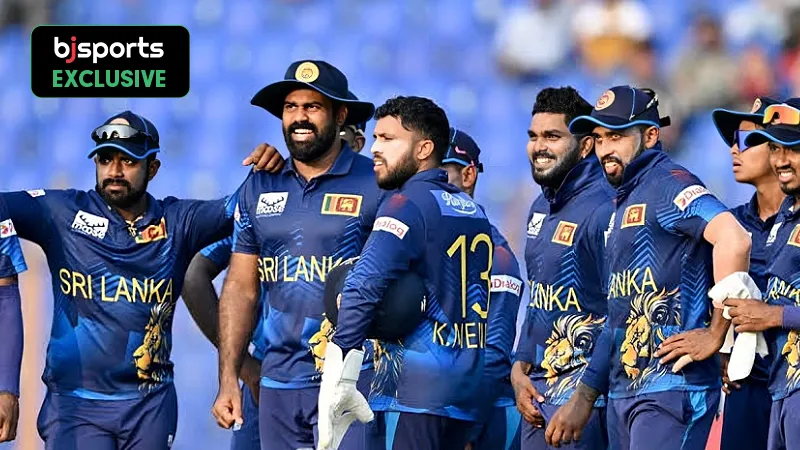 Predicted Playing XI of Sri Lanka in 2nd T20I against England
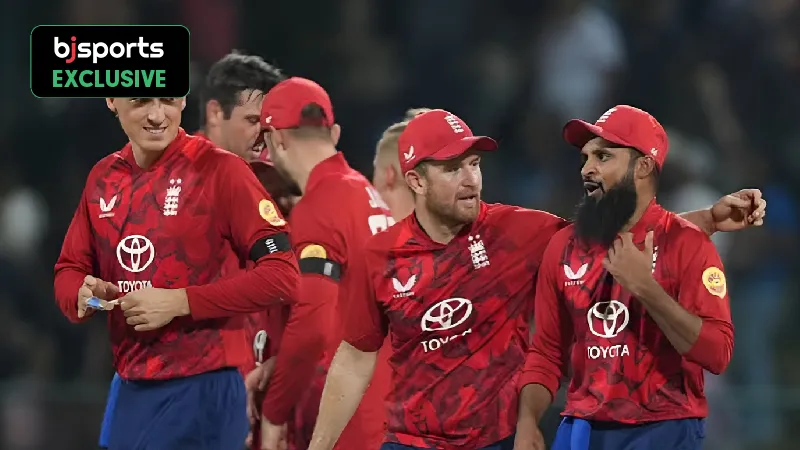 Predicted Playing XI of England in 2nd T20I against Sri Lanka
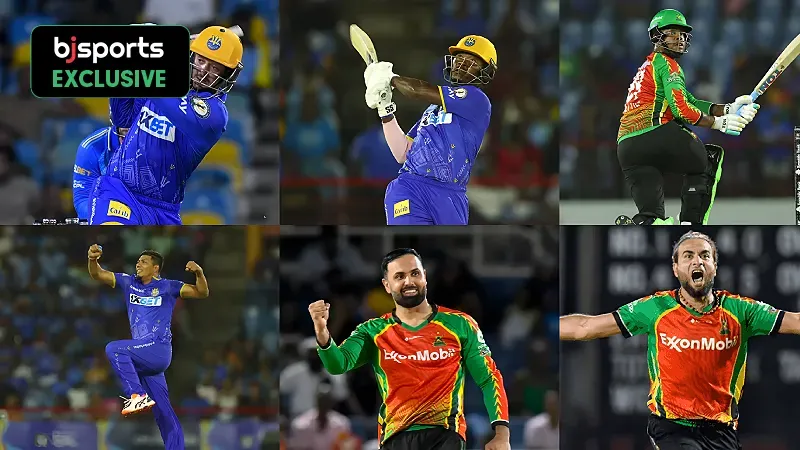 Top 3 player battles to watch out for in Match 35 of CPL 2026 between Barbados Tridents and Guyana Amazon Warriors
 Top 3 bowlers to watch out for in Match 35 of CPL 2026 between Barbados Tridents and Guyana Amazon Warriors