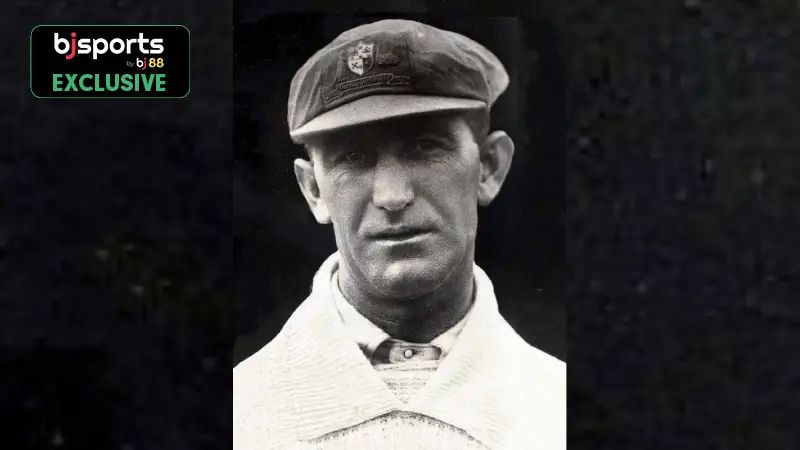
On this day, August 26, in 1890, the cricketing world witnessed the birth of one of Australia’s early cricket stars, Thomas James Edwin Andrews, commonly known as Tommy Andrews. Born in Newtown, Sydney, New South Wales, Andrews would go on to leave a significant mark on the cricketing landscape during the early 20th century.
He represented Australia in 16 Test matches between 1921 and 1926. Andrews was a right-handed batter who also possessed the skill to bowl leg-breaks and googlies, although his primary contribution to the team was with the bat.
His Test career, though not lengthy, was noteworthy. Over the course of 16 Tests, Andrews played 23 innings and accumulated 592 runs at an average of 26.90. While he never managed to score a century, he came close with a highest score of 94 and registered four half-centuries during his Test tenure.
Tommy had an incredible First-Class career!
Tommy Andrews’ impact was more pronounced in first-class cricket, where he enjoyed a long and successful career. Playing in 151 first-class matches, mostly for New South Wales, he scored an impressive 8,095 runs at an average of 39.48.
His first-class career included 14 centuries, with a top score of 247 not out, and 43 half-centuries. His consistent performances with the bat made him a key player for New South Wales and an essential part of the Australian cricket scene during his playing years.
Although primarily known for his batting, Andrews was also a part-time bowler. In his Test career, he bowled only sporadically, taking just one wicket at an expensive average of 116.00. However, in first-class cricket, his bowling was more effective. Andrews claimed 95 wickets at an average of 32.10, with his best bowling figures being 6 for 109 in an innings.
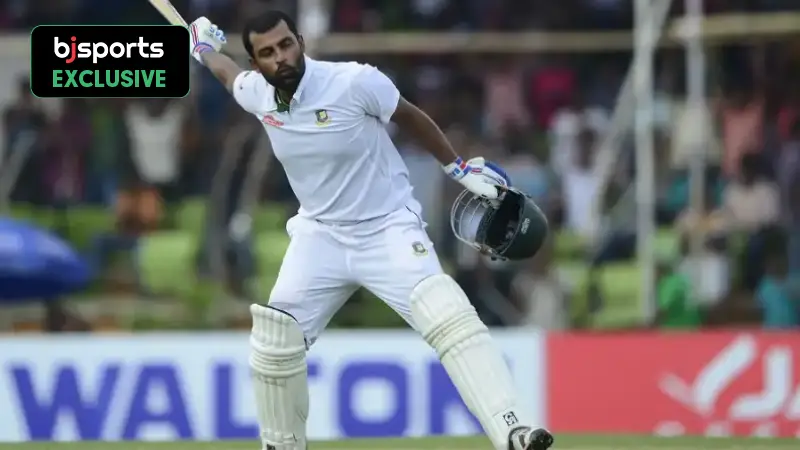 Top 3 performances of Tamim Iqbal in international cricket
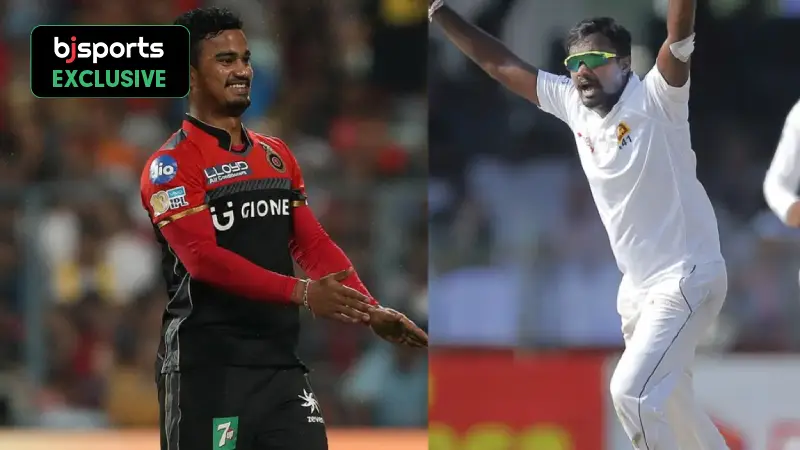 Legends League Cricket 2026: Predicting the Top 3 Player Battles for Konark Suryas Odisha vs India Tigers
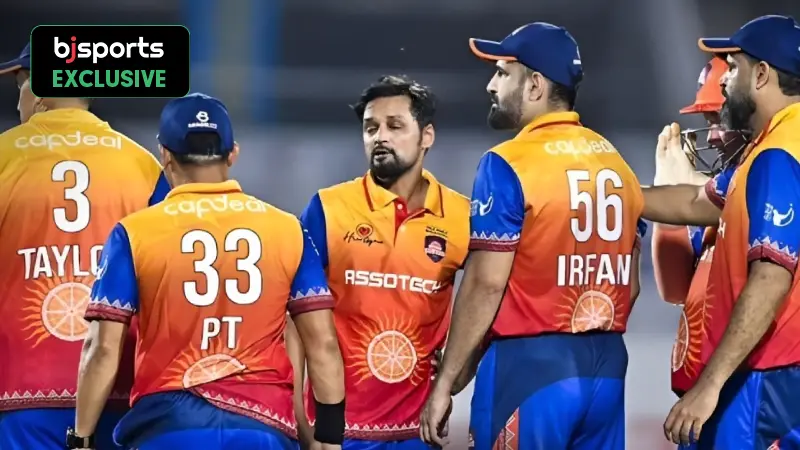 LLC 2026: Konark Suryas Odisha vs India Tigers Predicted Playing XI
 Which 3 Batters Will Shape the KNSO vs SNSS LLC 2026 Match 12