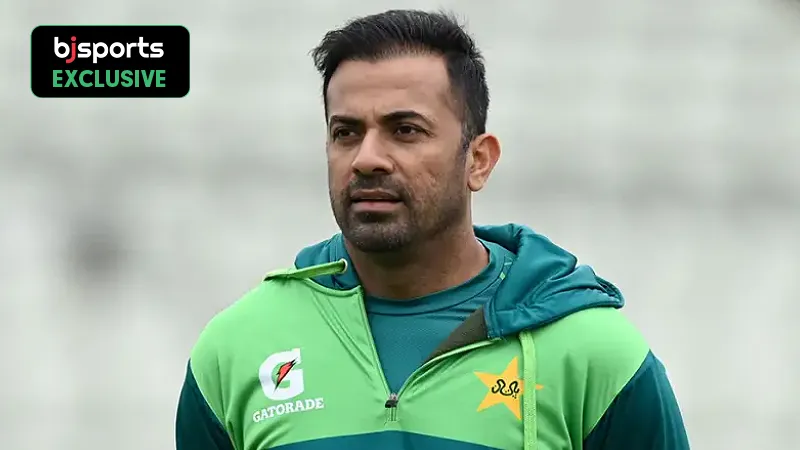
Wahab Riaz, one of Pakistan’s most aggressive left-arm fast bowlers of the modern era, was born on June 28, 1985, in Lahore. Blessed with natural pace, a high-arm action and an uncompromising approach, he built a career around hostility rather than subtlety. At his best, Wahab combined speeds exceeding 145 km/h with reverse swing and a sharp bouncer, making him a genuine strike bowler across formats. His international career spanned more than a decade and featured several memorable performances that reflected his ability to thrive on the biggest stages.
Wahab made his international debut in December 2008 in a One-Day International against Zimbabwe before gradually establishing himself across formats. Competition for places in Pakistan’s fast-bowling attack was always intense, but his ability to generate pace from seemingly lifeless surfaces kept him firmly in contention. He made his Test debut against England at The Oval in 2010 and immediately announced himself with a five-wicket haul in the second innings. That performance showcased his willingness to attack the stumps and challenge accomplished batters with sustained aggression.
Although he enjoyed success in Test cricket, it was in limited-overs cricket that Wahab made his greatest impact. His defining moment came during the quarter-final of the 2015 ICC Cricket World Cup against Australia at Adelaide. Chasing a modest target, Australia appeared comfortable until Wahab produced one of the finest fast-bowling spells seen in World Cup history. His sustained barrage against Shane Watson, featuring hostile short-pitched bowling delivered at express pace, unsettled one of Australia’s toughest batters. Watson survived after a dropped catch, but the spell remains widely regarded as one of the greatest examples of fast bowling in ODI cricket despite Pakistan eventually losing the match.
Another major contribution came during the 2011 World Cup semi-final against India in Mohali. Wahab Riaz claimed 5 for 46, dismissing Virender Sehwag, Virat Kohli, Yuvraj Singh, MS Dhoni and Yusuf Pathan. It remains one of the finest bowling performances by a Pakistani seamer in a World Cup knockout fixture. Even though Pakistan fell short in the chase, Wahab’s disciplined lengths and intelligent use of reverse swing ensured India never completely dominated the innings.
Across his international career, Wahab represented Pakistan in 27 Tests, 91 One-Day Internationals and 36 Twenty20 Internationals. He finished with 83 Test wickets, 120 ODI wickets and 34 T20I wickets. While injuries occasionally interrupted his progress, his ability to produce match-changing spells kept him relevant throughout his career. He was particularly effective with the older ball, extracting reverse swing that troubled some of the finest players of his generation. Away from international cricket, he enjoyed successful spells in franchise leagues around the world, including the Pakistan Super League, where he became one of the competition’s leading wicket-takers and an influential figure for Peshawar Zalmi.
Following his retirement from international cricket in 2023, Wahab transitioned into cricket administration and selection roles within Pakistan cricket. His playing career is remembered less for volume of wickets and more for the intensity with which he competed. Few fast bowlers of his generation matched his willingness to attack regardless of conditions or opposition. On his birthday, Wahab Riaz remains recognised as a cricketer whose finest performances came under pressure, leaving behind several spells that continue to occupy a special place in Pakistan’s cricketing history.
Disclaimer: This Exclusive News is based on the author’s understanding, analysis, and instinct. As you review this information, consider the points mentioned and form your own conclusions.
 Top 3 Bowlers to Watch Out for in Test Series Between Bangladesh and the West Indies
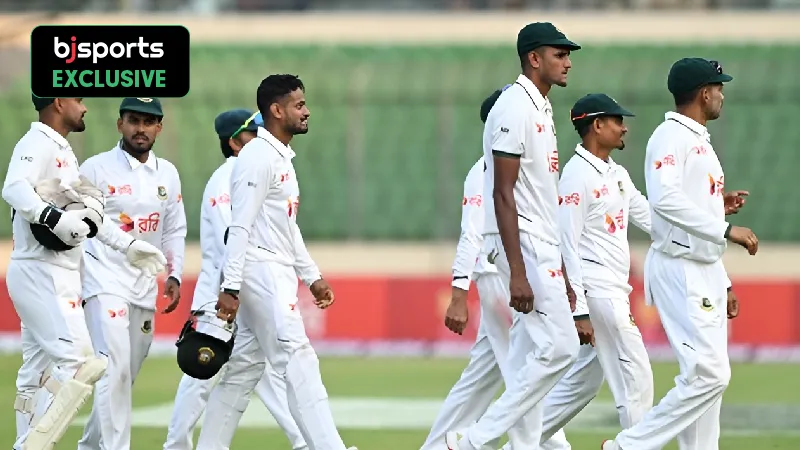 Predicted Playing XI of Bangladesh for First Test Against West Indies
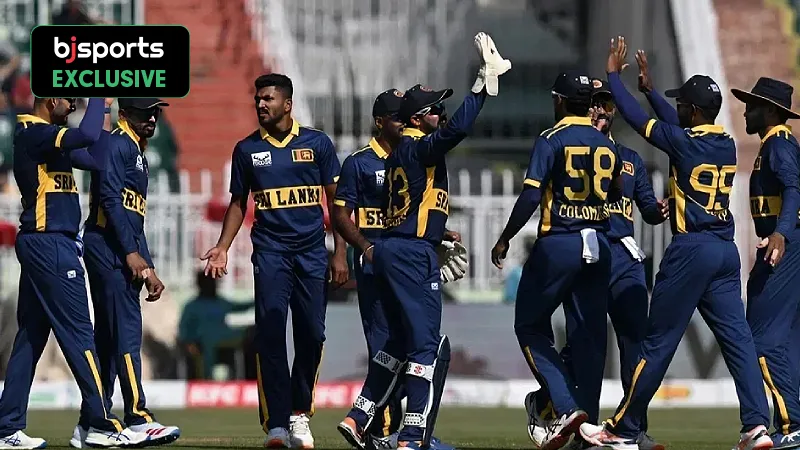 Predicted Playing XI of Sri Lanka in 5th Match of Tri-Series Against Pakistan
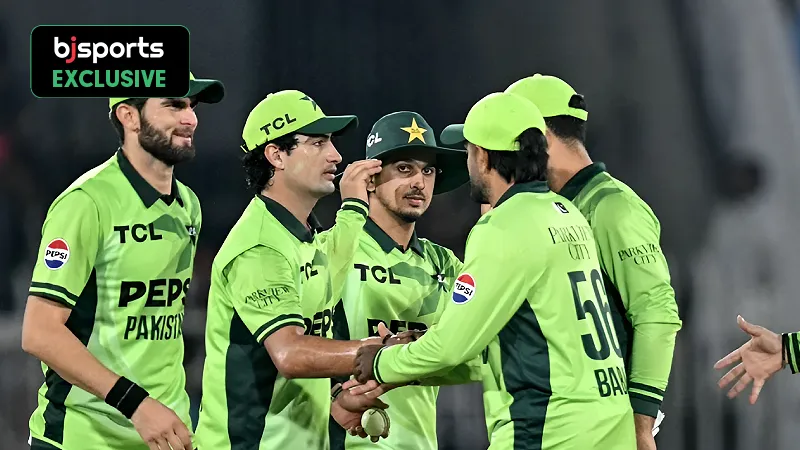 Predicted Playing XI of Pakistan in 5th Match of Tri-Series Against Sri Lanka