Match 30 | ICC Women’s T20 World Cup 2026 | Lord’s Cricket Ground, London | 28 June
Australia and India meet in a Women’s T20 World Cup 2026 match where the bowling has driven the story on both sides all tournament. India’s Shree Charani leads the wicket charts with 12 scalps from four matches. Sophie Molineux has been the hardest bowler to score off in the powerplay across the whole competition. Deepti Sharma has a complicated history against this Australian batting order. On either side, the bowlers can decide this match faster than the batting can rescue it.
Shree Charani Leads the Tournament’s Wicket Column
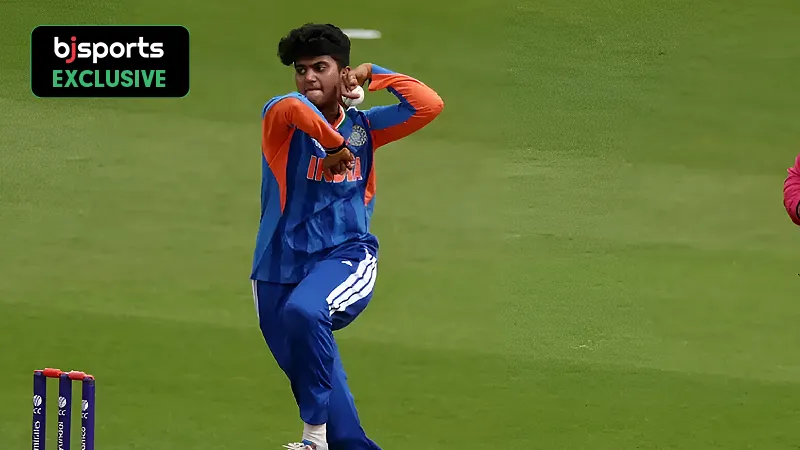
Charani has 12 wickets in four matches at an average of 7.08 and an economy of 5.31, with a best of 4/19. She is the tournament’s leading wicket-taker and ranked No. 1 for T20I bowling as of 23 June. No other bowler in the competition is within four wickets of her.
Her left-arm spin operates at a powerplay economy of 5.10, which means she can bowl in the first six overs without the usual risk of attacking spin. Against Australia’s top order, which features only one confirmed left-hander in Beth Mooney, Charani angles into right-handed bats for the bulk of her spell. She hasn’t faced Australia in this tournament yet, making Match 30 the first test of that specific contest.
AUS vs IND Women’s T20 World Cup 2026
The four bowlers most likely to shape this match sit at very different points on the wickets-versus-economy scale.
| Bowler | Team | WC 2026 Wickets | Economy | PP Economy | Career Wkts vs Opponent |
| Shree Charani | India | 12 | 5.31 | 5.10 | 0 (first meeting) |
| Deepti Sharma | India | 6 | 7.37 | 6.50 | 15 T20I wkts vs AUS |
| Sophie Molineux | Australia | 6 | 4.50 | 4.20 | 4 T20I wkts vs India |
| Kim Garth | Australia | 5 | 6.08 | 5.50 | 11 T20I wkts vs India |
Charani has double Molineux’s wickets. Molineux concedes nearly three fewer runs per over. Garth and Deepti are level on wickets but separated by economy. These contrasts make the decisions around bowling order more consequential than usual.
Kim Garth Sets the Tone in the Powerplay
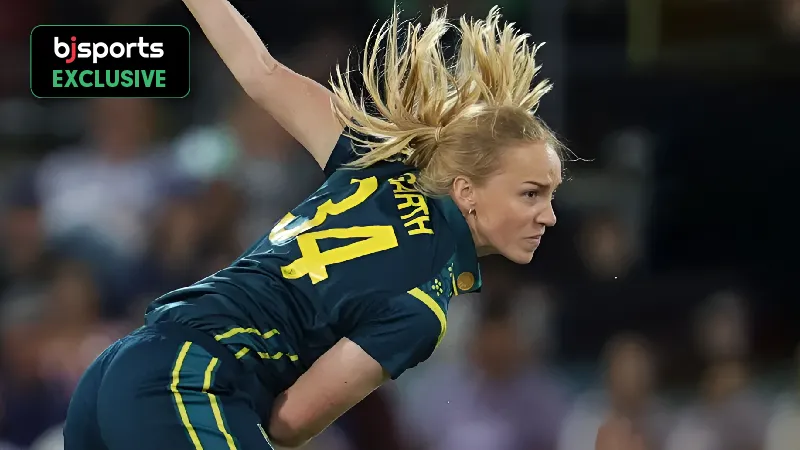
Australia’s collective powerplay record is the best of any team in the tournament for economy and wickets taken. Garth is the joint highest powerplay wicket-taker in the competition. Against the Netherlands, she took 2/18 from three powerplay overs, and against Bangladesh, she removed both openers inside the first four overs.
Her 11 career T20I wickets against India show a bowler who has found a method against this lineup before. India has scored at a high tempo at the top in this tournament, and how they handle Garth’s early movement will set the terms for everything that follows in the innings.
Sophie Molineux Controls the Middle Overs
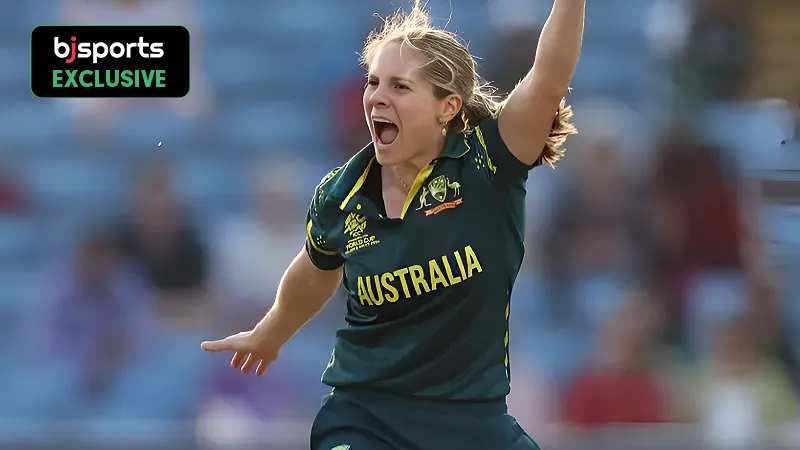
Molineux has 6 wickets in the tournament at an average of 9.00 and an economy of 4.50. She is the most economical powerplay bowler among those who have bowled more than five overs in that phase. Her only detailed match figures available are 2/14 from four overs against Bangladesh.
Her left-arm orthodox angle gives Australia a different threat from Garth’s seam. With four career T20I wickets against India, her head-to-head record in this match-up isn’t large, but the tournament economy figure tells you what India’s batters will be up against when she is bowling through the powerplay and into the middle overs.
Deepti Sharma and the Australia Problem
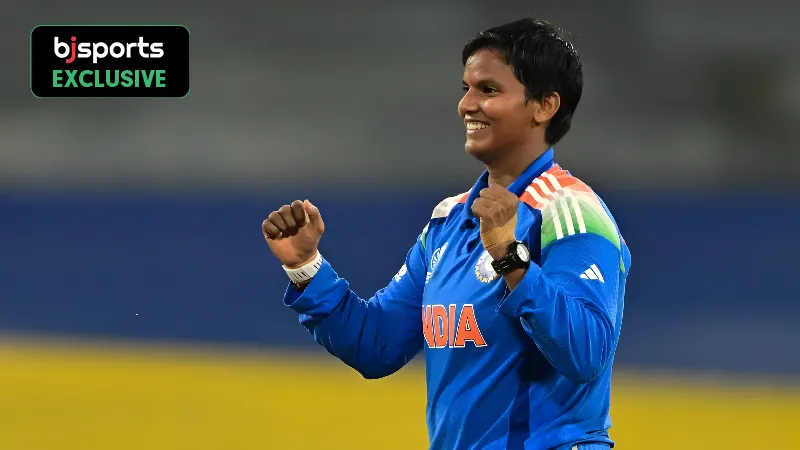
Deepti has 167 T20I wickets across 146 matches at an average of 19.42 and an economy of 6.29. In this tournament, she took 5/10 from four overs against Pakistan and 1/26 from three against the Netherlands, and went wicketless against South Africa. Against Australia specifically, she has 15 career T20I wickets at a strike rate of 15.2, but she has taken zero wickets in her last two T20I innings against them. That blank against this particular opponent creates real doubt about whether Australia has found a reliable counter to her off-spin.
India needs her at her best here, and if she is, this match becomes significantly harder for Australia’s batting order to manage against two spinners operating in tandem. The degree to which she contributes alongside Charani will go a long way to deciding how this AUS vs IND Women’s T20 World Cup 2026 match finishes.
Which bowler do you think makes the biggest impact in Match 30: Charani through the powerplay, Molineux in the middle, or Deepti rediscovering her rhythm against Australia? Tell us in the comments.
FAQs
Who is the leading wicket-taker in the Women’s T20 World Cup 2026?
Shree Charani leads with 12 wickets at an average of 7.08 and an economy of 5.31. No other bowler has passed eight wickets, and she is ranked No. 1 in the world.
How many T20I wickets has Deepti Sharma taken against Australia?
Deepti has 15 T20I wickets against Australia at a strike rate of 15.2, but returned zero in her last two innings against them. Her 2026 form includes a five-wicket haul against Pakistan.
What is Sophie Molineux’s bowling record in WC 2026?
Molineux has 6 wickets at an average of 9.00 and an economy of 4.50. She is the most economical powerplay bowler among those who have sent down more than five overs in that phase.
Has India beaten Australia in Women’s T20 World Cup history?
India has won 9 of 38 T20I matches against Australia, but their record in Women’s T20 World Cup fixtures is unconfirmed from available sources. Australia is dominant across bilateral and tournament cricket combined.
Disclaimer: This Exclusive News is based on the author’s understanding, analysis, and instinct. As you review this information, consider the points mentioned and form your own conclusions.
 Which Player Duels Will Decide North West vs Limpopo T20 Challenge 2026 Match 45?
 Who Are the Batters to Watch in Northern Cape vs SWD T20 Challenge 2026 Match 46?
 Top 3 wicket-takers from West Indies tour of India 2026
 Top 3 bowlers to watch out for in Match 2 of Tri-Series between Zimbabwe and Afghanistan