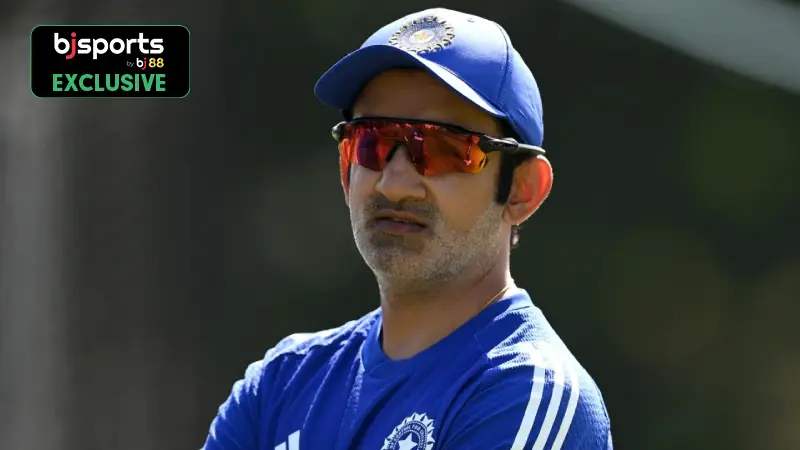
Gautam Gambhir may have been able to celebrate India’s victory of 2-1 over Australia; however, he was not going to get too excited. India’s new head coach made it very well known that India “aren’t where we want to be” as far as preparing for the 2026 T20 World Cup goes. It would seem that this would be an alarming statement from a talented and trophy-filled side. However, Gambhir’s statement was nothing short of refreshing. He stated that he wants a team that will be focused on fitness, sharpness, and making an impact when it comes to performance, rather than being concerned about statistics such as their average or if they are “on fire” according to the media and social media strike rate debate. With ten T20I games remaining prior to the World Cup (five games each against South Africa and New Zealand), time is running out for India to turn itself into a cohesive unit that will thrive under the pressure of high-intensity cricket rather than becoming mired in the mediocrity of low-pressure cricket.
Fitness as the New Non-Negotiable
Gambhir’s harsh evaluation of India’s fitness is no empty talk; it is an agenda. His idea that “the physical strength develops the mental strength” indicates a deeper, larger cultural shift. India’s last couple of ICC campaigns have lost in the end overs, not because of a lack of talent but due to the lapses in the athletes’ intensity. The emphasis by Gambhir on speed, on movement, and on endurance demonstrates his attempt to develop India’s new T20 identity through the development of physical strength, much as England has done after 2015. In today’s T20 cricket, fitness is not a luxury; it is a multiplier of performances.
Fluid Batting: The Gambhir Blueprint
When Gambhir states that “impact has to matter over runs,” he’s establishing an important distinction between what fans have traditionally worshiped as stats and how teams are now winning matches. The batting lineup that he advocates (fixed opening pair, and then the rest of the team is flexible) follows the same thinking as those successful teams, such as the Chennai Super Kings and Gujarat Titans. All players on his roster can play in a situational capacity and not be limited to a specific position. This way of thinking was developed with flexibility in mind when a team is under pressure. The largest mental shift made by India here is breaking the association in their minds of T-20 roles and ranking within the hierarchy.
The Hard Truths of Selection
While Gambhir acknowledges that the difficult part of being the coach of this team does not come from tactics but instead from telling talented players why they will not be playing, he understands the importance of being transparent, as there are very talented players such as Kuldeep Yadav and Arshdeep Singh waiting for their opportunity off the bench. He has expressed a need for “clear, honest communication,” which is something that has been lacking in Indian cricket for years. The message to the rest of the team is that when players are rotated, it is not an indication that they have done anything wrong, but it is simply part of the game plan. If Gambhir can consistently apply honesty to his approach, then what may be perceived as one of the largest frustrations (the large bench) could ultimately become one of India’s greatest assets.
Gautam Gambhir is not looking for an instant transformation in Indian Cricket — he wants to change the way Indians think about it. He views his version of Team India as having more “steel” than “stars,” and more “nerves” than “numbers.” The next few months are going to determine if the new thinking can result in a better global unit. One thing is for sure: This is not the comfortable, safe India of the past. Gambhir’s Team India is being pushed (literally) to go faster, to think smarter, and to play with a greater sense of urgency. If this risk pays off, then Gambhir’s training-first, fear-free approach may be the foundation of Team India’s next generation of T20 World Cup teams.
Key Takeaway:
India’s T20 revival under Gambhir isn’t about skill; it’s about stamina, courage, and the will to stay uncomfortable.
FAQs
1. What did Gautam Gambhir emphasize after India’s T20I win over Australia?
He stressed that India must improve fitness and sharpness ahead of the 2026 T20 World Cup.
2. Why is fitness so crucial in Gambhir’s vision?
He believes physical fitness directly strengthens mental resilience under pressure.
3. What is Gambhir’s approach to India’s batting order?
He promotes a fluid batting lineup focused on impact rather than averages or strike rates.
Disclaimer: This Exclusive News is based on the author’s understanding, analysis, and instinct. As you review this information, consider the points mentioned and form your own conclusions.
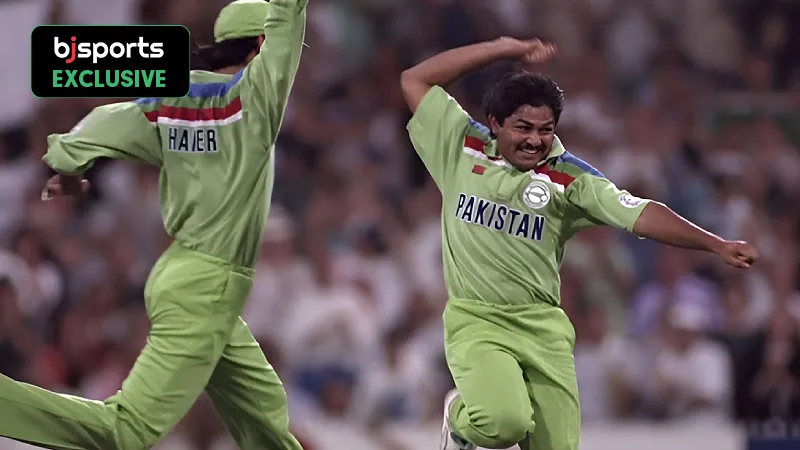 Top 3 Performances of Mushtaq Ahmed in International Cricket
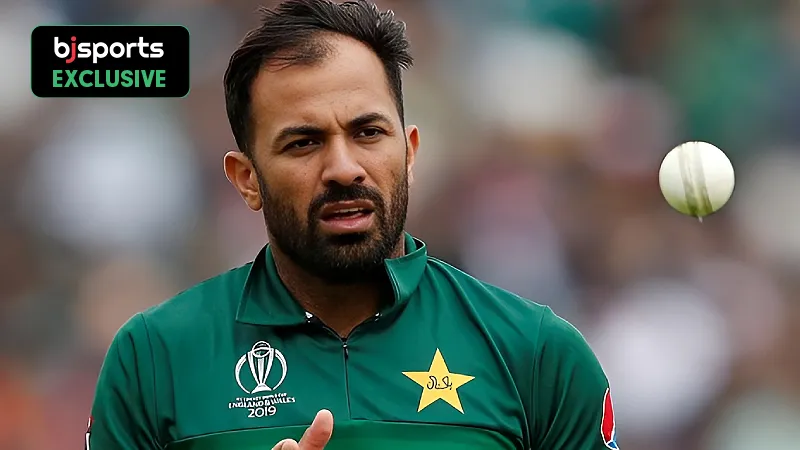 Top 3 Performances of Wahab Riaz in International Cricket
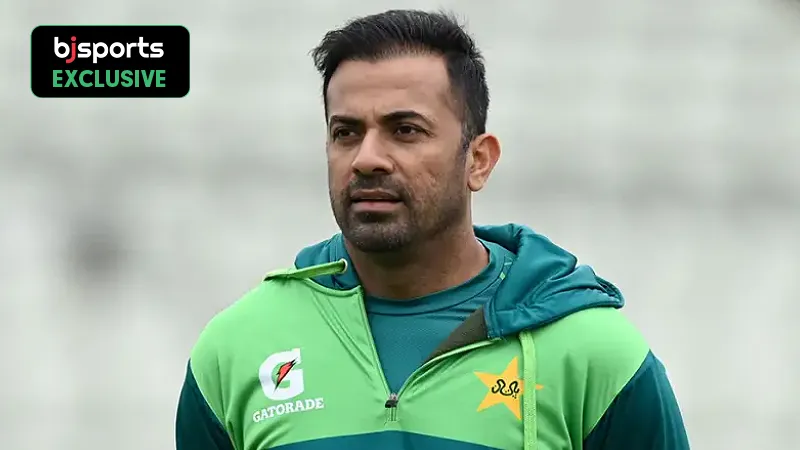 On This Day: Wahab Riaz Was Born
 On This Day: Mushtaq Ahmed Was Born