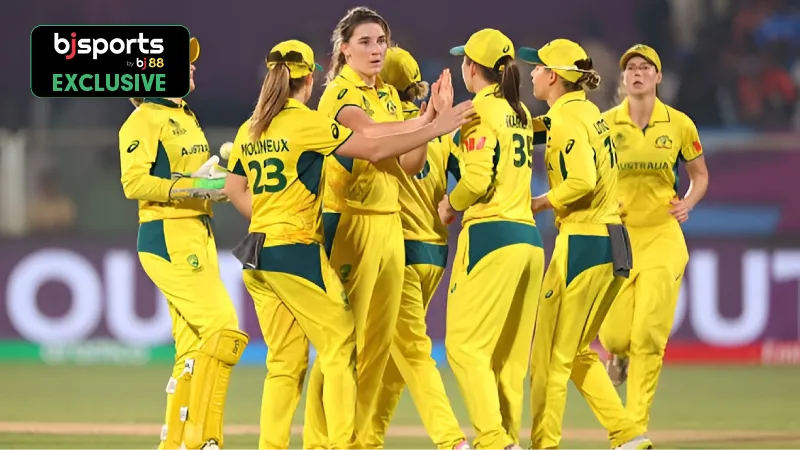
For most of the long, obstinate history of cricket, it was rare to see the words “record chase” and “women’s ODIs” strung together in the same sentence. But on a feverish night in World Cup history, Australia did not just chase; they hunted history. Overnight, the 330 of India looked like an enormous score, something to be gazed at from afar and admired. Yet the gallantry of skipper Alyssa Healy, the poetry of Smriti Mandhana with the bat, and the all-round thunder of Annabel Sutherland ensured that the match took the imagination of the game into entirely new areas. What happened was not only a win, but a reinterpretation of possible barriers to women’s cricket.
A Scoreboard Gone Wild
This was no ordinary Australia-India contest, but a test of batting brilliance and nerves. India, in emphasising their power-hitting capabilities, made 330 – their highest-ever total in a Women’s World Cup match, which ought to have been enough to beat most teams. But Australia produced the highest-ever successful run chase in a Women’s ODI match, beating the Sri Lankans’ 302 by 28 runs, made in 2024. The two teams between them scored 661 runs – the third highest ever for any combination in Women’s ODIs. There were 13 sixes hit in the match, the highest ever in a World Cup match.
The Chase That Bent the Ceiling
Australia’s chase was more about engineering than instinct. Healy’s 142 was power, but it was also precision. She played the long game, concentrating on the weaker middle-overs bowlers for India, especially against the spinners who are reluctant to toss it up. The Australians did not chase down 331 as gamblers. Every risk was calculated. Their run-rate never dropped below six, which put a psychological squeeze on the Indian bowlers to bowl to particular lengths. What Sri Lanka did by surprise, Australia did by a system.
India’s Brilliance, Australia’s Belief
Smriti Mandhana‘s 90-odd was, for India, an exhibition of style of timing and control, of the tranquillity of a player who has just passed 5,000 ODI runs in the company of becoming the youngest and quickest Indian woman to do so; yet, it was conviction, not execution that decided the issue India’s demeanourcomfortable in the early part, but by the 35th over testy contrasted strongly with the inexorable intensity of Healy; the psychological gulf widened with every boundary a team which boasted once of its capabilities of defending has now become so daunted by its own success on the ball that it looks alarmed even.
Numbers That Tell a Revolution
The statistics epitomised insurrection. The 13 sixes seven from India, six from Australia, were not mere distractions but declarations of intent by the players that power hitting was now on a par with the other two cardinal principles in women’s cricket. Mandhana’s 1062 runs this year (in 18 innings) show how the tempo of batting has altered. That Sutherland took 5-40, the first five-wicket haul by an Australian in a World Cup since Lyn Fullston in 1988, proved that in modern cricket, dominance still needs to be accentuated by a golden period in a riot of activity. The one reality the match demonstrated was that this age cannot be defined in terms of statistics; it can be defined by intent.
Expert Insight – “Echoes of 1997, Energy of 2025
If Belinda Clark’s 229 in 1997 was the anthem for women’s cricket’s first bold age, then Healy’s 142 was its rock remix. The similarities are spooky: both captains leading with bat in hand, each defining limits for the next generation. What has changed, however, is tempo. While Clark built, Healy blitzed. For the modern women’s game, the craft of 50 overs has been squeezed into bursts of high-risk calculation. This match might do for the next decade what the 2017 final did for the last: ignite a new belief that the women’s ODI format still possesses narrative power in this T20-obsessed age.
Key Takeaway
This wasn’t just the highest chase in history; it was the moment women’s ODI cricket tore up its old rulebook and wrote a new one in gold ink.
FAQs
1. What record did Australia break in this match?
Australia achieved the highest successful run chase in Women’s ODI history by chasing 331 against India.
2. What was India’s major milestone despite the loss?
India scored their highest-ever total at a Women’s World Cup with 330 runs.
3. Who was the standout performer for Australia?
Captain Alyssa Healy led from the front with a stunning 142-run innings.
Disclaimer: This Exclusive News is based on the author’s understanding, analysis, and instinct. As you review this information, consider the points mentioned and form your own conclusions.
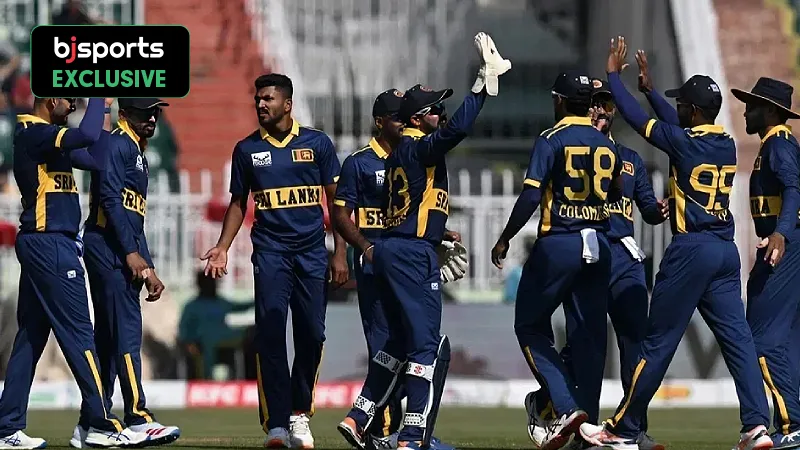 Predicted Playing XI of Sri Lanka in 5th Match of Tri-Series Against Pakistan
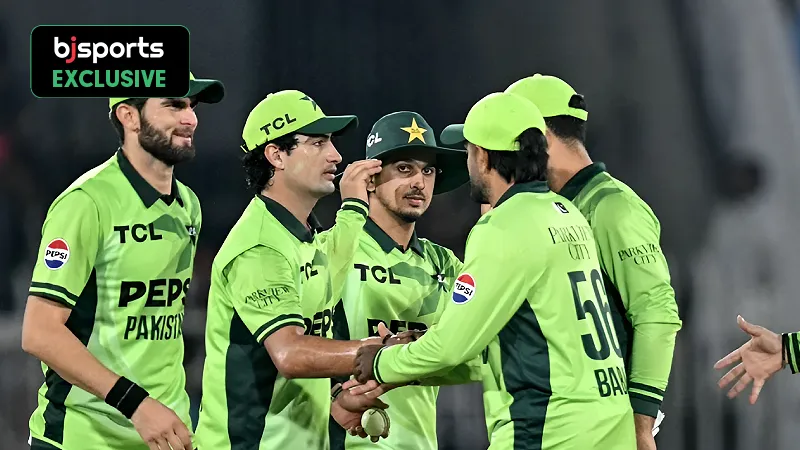 Predicted Playing XI of Pakistan in 5th Match of Tri-Series Against Sri Lanka
 Afghanistan vs Zimbabwe T20I Series: Top 3 Players to Watch Out For
 Top 3 Player Battles to Watch Out for in Namibia vs Ireland, 3rd ODI