Surrey strode out onto the crease at Southampton, and the atmosphere was electric. They were aggressive, hitting out on the first couple of balls, smashing the boundaries at will, and taking the run rate sky-high toward what would have looked a menacing total. The scoreboard was being lit up by Dom Sibley and Will Jacks, and Surrey looked ready to put Hampshire under pressure. But cricket is a funny game, and despite the fireworks, Surrey’s grip slipped and handed Hampshire a remarkable 69-run victory.
Surrey’s Middle-Order Meltdown Killed the Momentum
Surrey’s middle-order simply could not get going when it was needed the most. Ok, Sibley’s 70 off 46 balls was an exhibition of power hitting, and Jack’s 41 a bright splash of intent. However, it went flat after the loss of Jason Roy due to run-out, and although Evans and Tom Curran could produce some cavalier hits, there was never any real prospect of exploding the score higher.
The inability to create big partnerships from decent starts ultimately did for Surrey — momentum is everything in T20s, and Surrey lost it as dramatically as a kite crashing from the sky during a storm.
Hampshire’s Bowling Spell Turned the Tide
Like an unexpected trick from a magician’s sleeve, Hampshire’s bowling transformed the match in a flash. Chris Jordan chipped in with two wickets, and Nathan Smith was destructive with a three-for, halting the momentum Surrey built with the bat. One thing was crystal clear: Smith looked unplayable, wrestling down some runs with clever pace and variation at impactful times, before finishing off with death bowling from Fuller and Currie, which would’ve given Surrey a perfect recipe to pursue to disrupt their plans for the day. Hampshire’s bowlers did more than bowl – they controlled, squeezed, and strangled Surrey’s innings to reduce their until then positive start into a mere total.
Fielding Blunders and Tactical Rigidity Sealed Surrey’s Fate
Surrey’s fielding and situational adaptability left much to be desired. Hampshire’s team executed their preparation for the difficult pitch at Southampton, where the ball was not bouncing high and favored the disciplined bowler. Surrey fielders were inaccurate on occasion, including two key run-outs that forced their partnership rhythm to a stop, and ultimately showed a lack of composure when under pressure.
The top order was plodding, used to relying regularly on the star batsmen like Sibley and Jacks left the batting brittle; when those key wickets fell, or any momentum change,d or Surrey has no capacity to react tactically, alter their plan, or change the tempo when the game changed tempo. In T20 cricket, adaptability and sharp fielding are hidden weapons, and Surrey’s lack of both proved costly.
Surrey’s bright start succumbed to the pressure of an out-of-form middle order, the quality bowling attack of Hampshire, and tired, sloppy fielding. The match slipped away from them like sand falling through their fingers – a stark reminder that, eventually, in the Vitality Blast, it doesn’t matter how impressive your fireworks are, but rather, as the name suggests, how you keep the fire burning, to the last ball bowled. Hampshire had the hunger and cricket savvy to turn bright sparks into bonfire victories.
Disclaimer: This Exclusive News is based on the author’s understanding, analysis, and instinct. As you review this information, consider the points mentioned and form your own conclusions.
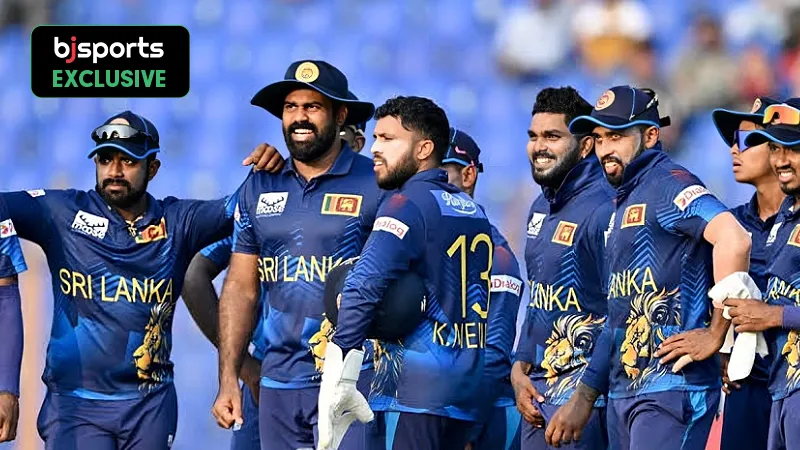 Predicted Playing XI of Sri Lanka in 2nd T20I against England
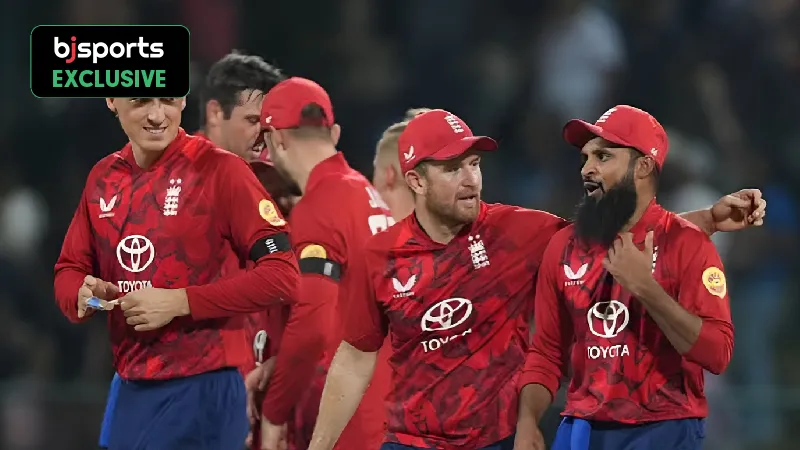 Predicted Playing XI of England in 2nd T20I against Sri Lanka
 Top 3 player battles to watch out for in Match 35 of CPL 2026 between Barbados Tridents and Guyana Amazon Warriors
 Top 3 bowlers to watch out for in Match 35 of CPL 2026 between Barbados Tridents and Guyana Amazon Warriors