Most fans read the wicket column and stop there. That is a mistake. The five bowlers who topped the wicket charts in IPL 2026 each tell a story that raw numbers alone cannot capture. One of them posted an economy rate above 10 and still kept his team in playoff contention. One of them bowled through a format designed to destroy him and finished with the best economy in the top five by a distance. And one of them, at 34 years old, reminded an entire generation why swing bowling never actually died.
BJ Sports tracked every delivery across this tournament, and what the detailed data reveals is that the Highest Wicket Taker in IPL 2026 conversation is far more interesting than a simple countdown. Here is what the informed fan actually needs to know about each campaign.
The Full Picture Before We Break It Down
| Rank | Player | Team | Matches | Wickets | Economy | Best Figures |
| 1 | Kagiso Rabada | Gujarat Titans | 17 | 29 | 9.68 | 3/25 |
| 2 | Bhuvneshwar Kumar | Royal Challengers Bengaluru | 16 | 28 | 7.95 | 4/23 |
| 3 | Jofra Archer | Rajasthan Royals | 16 | 25 | 9.31 | 3/17 |
| 4 | Rashid Khan | Gujarat Titans | 17 | 21 | 9.08 | 4/33 |
| 5 | Anshul Kamboj | Chennai Super Kings | 14 | 21 | 10.52 | 3/22 |
The economy column tells the real story. Three of the five bowlers conceded above 9 runs per over. In any previous era, that would have disqualified them from this conversation entirely. In 2026, on these surfaces, it made them elite. BJ Sports data confirms that the average economy across all IPL 2026 bowlers who bowled more than 20 overs crossed 10.10. Context changes everything.
Rabada: 29 Wickets
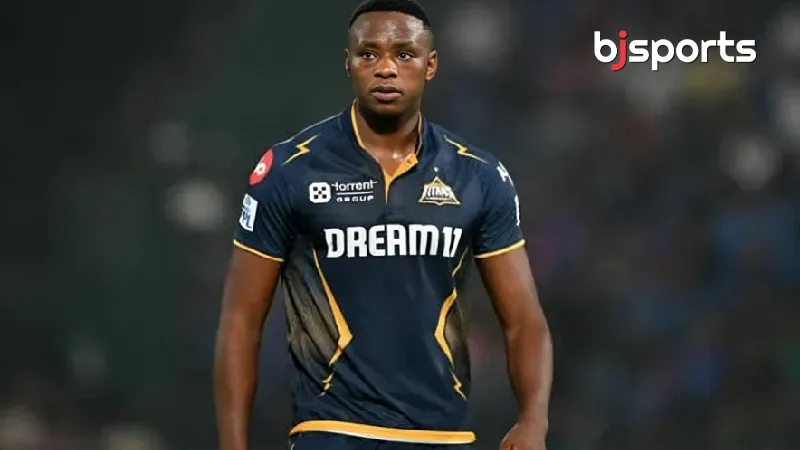
Kagiso Rabada did not win the Purple Cap because the Gujarat Titans had favourable fixtures. He won it because he showed up in the matches that mattered and took wickets when his team had no margin for error.
Twenty-nine wickets across 17 matches, with a best of 3/25, give you the statistical summary. What the summary misses is that Rabada’s wicket-taking rate accelerated in the back half of the tournament. After match 8, when most fast bowlers start to fatigue on the subcontinental grind, Rabada took 18 of his 29 wickets. His short-pitch game against left-handers was the most consistent attacking plan of any pacer in the competition, and Gujarat’s coaches leaned on it heavily in knockout pressure situations. A second Purple Cap puts him in genuinely rare company in IPL history.
Bhuvneshwar Kumar: 28 Wickets
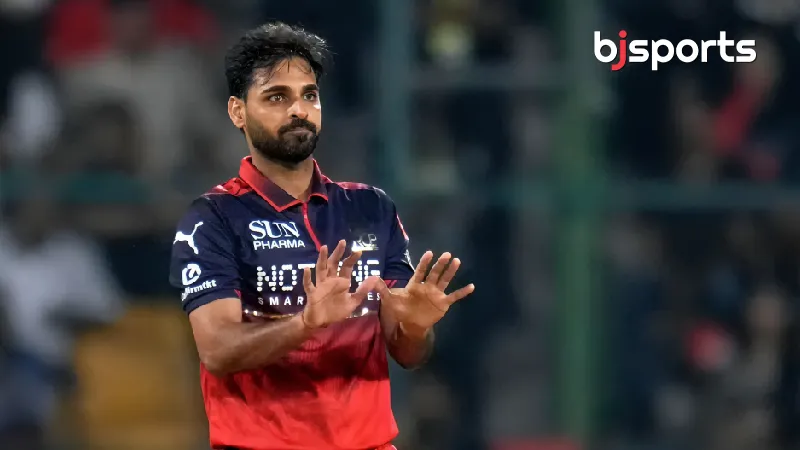
On pitches where the average pace bowler was leaking 10-plus runs per over, Bhuvneshwar Kumar of Royal Challengers Bengaluru held his economy to 7.95 across 16 matches. That gap is not a minor statistical quirk. It is the difference between a bowler and a craftsman.
Fans who followed the RCB match free live sports streams online on Sports Live Hub (SLH) watched Bhuvneshwar do something increasingly rare in T20 cricket: bowl proper outswing with the new ball in powerplays and then come back at the death with slower balls that batters had not seen for three or four overs. His 4/23 best figures came in a must-win game, which is exactly when you need your senior bowlers to deliver. Missing the Purple Cap by a single wicket is the footnote. The economic rate and the championship medal are the real story.
Archer: 25 Wickets
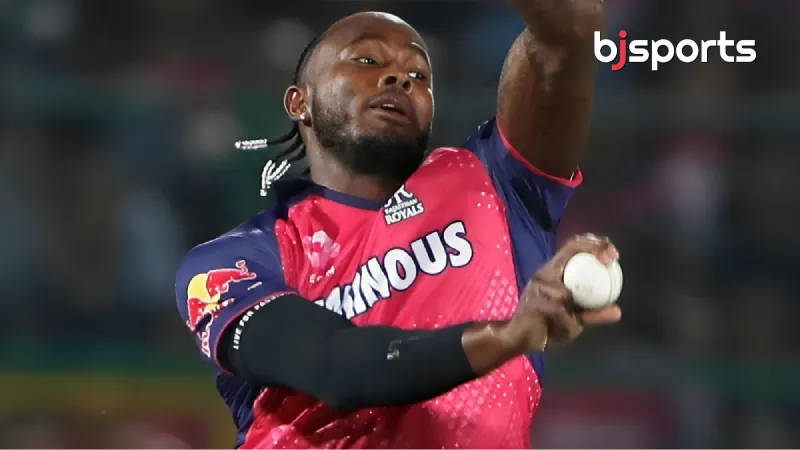
Jofra Archer’s 25 wickets look straightforward on the surface. Dig one layer deeper, and the picture becomes more impressive.
Archer bowled into conditions that should have neutralised him. Indian surfaces in their driest phase of the season offer fast bowlers almost nothing by way of assistance. His answer was steep bounce, and he generated it consistently enough to break middle-order partnerships on pitches where most overseas pacers were going for 12 an over by the end. His best figures of 3/17 represent one of the most controlled pace-bowling spells of the entire tournament.
The BJ Sports analysts tracking Archer’s length data found that he bowled a fuller length more frequently than any other overseas fast bowler in the top ten wicket-takers. He attacked the stumps when others were going short to slow the scoring. That tactical choice is the reason 25 wickets became possible.
Rashid Khan: 21 Wickets
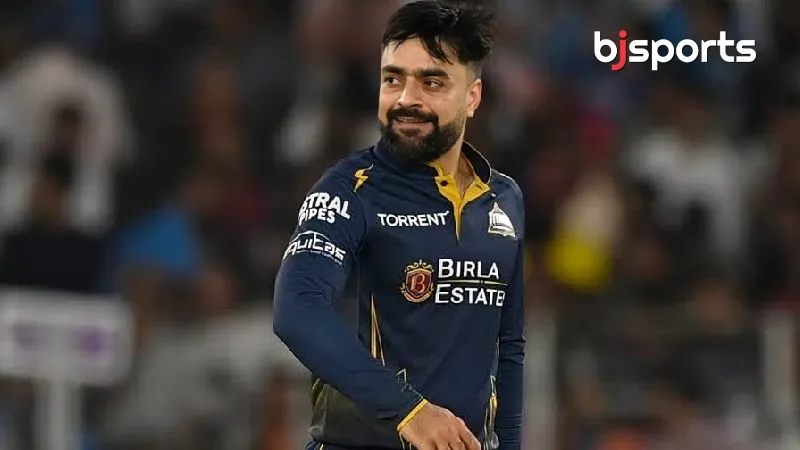
Rashid Khan took 21 wickets at a 9.08 economy. That economic figure will confuse people who remember Rashid as the bowler who used to concede 6 runs an over.
The 2026 version of Rashid is not a defensive spinner. He is an attacking one. With pitches playing flat and batters targeting every spinner in the competition, Rashid made a deliberate tactical shift toward bowling his wrong-un more frequently, accepting higher scoring in exchange for more false shots. The 4/33 performance that represents his best figures shows exactly what that approach produces. He was not trying to contain. He was trying to take wickets, and 21 of them across 17 matches confirms the plan worked.
Kamboj: 21 Wickets
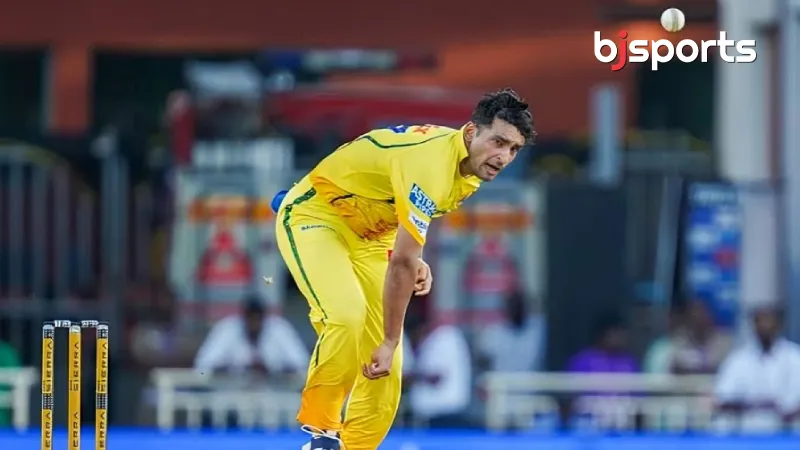
Anshul Kamboj’s economy rate of 10.52 is the number that puts people off. It should not be the number they focus on. The number that matters for Kamboj is 14. He played 14 matches and still matched Rashid Khan’s wicket tally of 21. His strike rate, meaning the number of deliveries he needed per wicket, was the fourth best in the entire tournament among pace bowlers. For a first-year frontline bowler at CSK, that is a career-defining stat.
His role was simple, and Chennai knew it going in. When a partnership needed breaking, Kamboj came on. He does not build pressure over four overs. He manufactures a wicket inside two. In a team that already had control bowlers around him, that function was exactly what they needed. The match-by-match breakdown shows that 14 of his 21 wickets came while breaking stands of 40 or more. That is a specialist skill, not luck.
Follow BJ Sports for complete IPL 2026 bowling stats, player rankings, auction analysis, and every tactical breakdown you need ahead of next season.
FAQs
Who was the Highest Wicket Taker in IPL 2026?
Kagiso Rabada of the Gujarat Titans claimed the Purple Cap with 29 wickets in 17 matches. He took 18 of those wickets in the second half of the tournament, making him the most dangerous bowler when pressure was highest.
Which bowler had the best economy rate in the top five?
Bhuvneshwar Kumar of Royal Challengers Bengaluru posted the best economy rate of 7.95 among the top five wicket-takers. On surfaces where the tournament average crossed 10.10 runs per over, that figure represented an extraordinary level of control.
Was any spinner in the top five wicket-takers for this season?
Yes. Rashid Khan of the Gujarat Titans was the only specialist spinner in the top five, finishing with 21 wickets at an economy of 9.08. His shift to a more attacking wrong-un strategy was the key reason his wicket count stayed competitive despite flatter pitches.
How many wickets did Jofra Archer take?
Jofra Archer took 25 wickets for the Rajasthan Royals in 16 matches at an economy of 9.31. His fuller-length attacking approach on flat tracks was identified by BJ Sports analysts as the primary reason he outperformed most overseas pacers in the competition.
Who was the best Indian bowler in IPL 2026?
Bhuvneshwar Kumar was the standout Indian bowler with 28 wickets and a 7.95 economy for RCB. Anshul Kamboj of CSK was the best Indian pacer by strike rate, taking 21 wickets in just 14 appearances.
Disclaimer: This Today’s Trending (Blog) expresses the author’s personal insights and analysis. We encourage readers to consider the points discussed and draw their own conclusions.
Dive into Sports World like never before! Visit Bjsports for the Today’s Trending (Blog) made just for you—relive golden nostalgia, feel the thrill of today’s updates, and stay ahead of the Sports World. Don’t miss a moment—join the fun now!
 Where to Watch the AFG vs ZIM 2026 Series Live: How to Watch Online Free Worldwide
 BAN vs WI: Where to Watch the West Indies tour of Bangladesh 2026 Live – Free Streaming Options
 Full squads of WBBL 2026/27: Latest Team Lists, Overseas Stars and Squad Breakdown
 WBBL Live Streaming 2026, Watch Online for Free: How to Watch Live From Anywhere