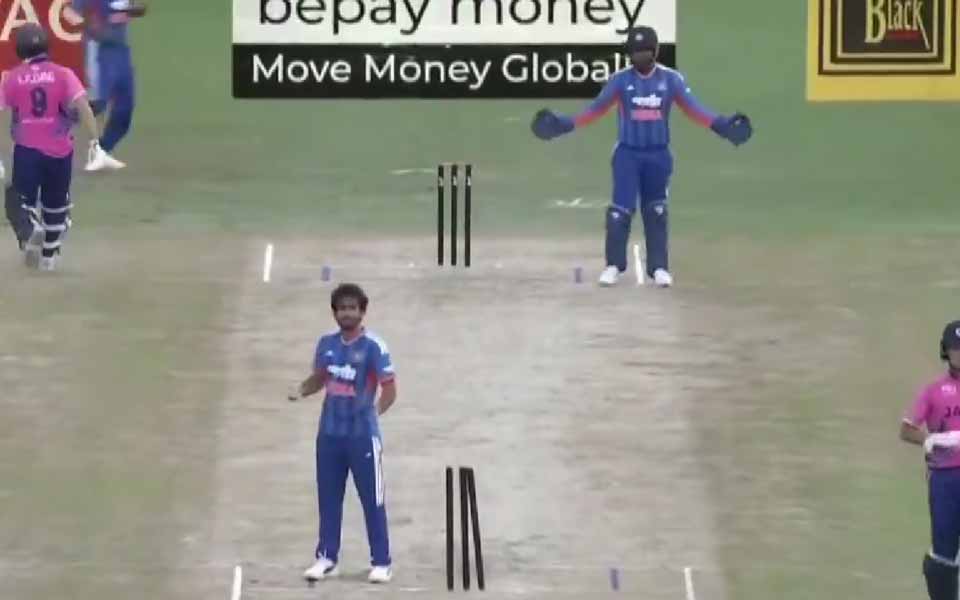
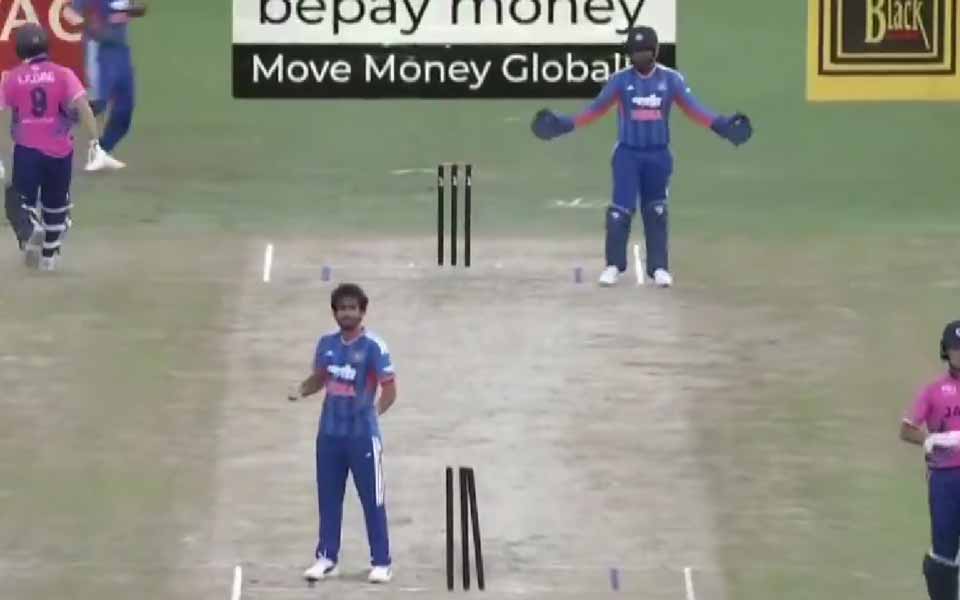
India‘s run-out appeal during the one-off T20I against Japan on September 22, 2026, at Sano International Cricket Ground went unreviewed because the match operated without a third umpire and without any TV replay infrastructure. On-field umpires Chris Brown and Chris Thurgate were solely responsible for every decision throughout the fixture.
The incident centred on Ravi Bishnoi appealing for a run-out after Shreyas Iyer’s throw struck the stumps at the bowler’s end. The batter involved was Japan captain Kendel Kadowaki-Fleming, who had pushed the ball towards cover. Unable to judge the tight call with certainty, the on-field umpire gave the benefit of the doubt to the batter and ruled not out. Japan were subsequently awarded two overthrow runs from the same delivery.
Match referee Narayanan Kutty oversaw the fixture, which was staged under the Suzuki Cup banner. The match was India’s first-ever T20I against Japan and formed part of the ‘Sport 75’ initiative, marking the 75th anniversary of diplomatic relations between the two countries.
Why was there no third umpire at the Sano ground?
The absence of a third umpire reflected the resource limitations of the venue and the match’s broader context. The Sano International Cricket Ground is not a top-tier international facility, and the broadcast and replay infrastructure required to support an upstairs review system was simply not in place. Heavy rain across the two days preceding the match had already delayed the start, and the equipment available to dry the surface was described as not cutting edge, pointing to wider constraints at the ground.
With no TV replay system available, Brown and Thurgate had only their naked-eye judgment when India appealed. Faced with a genuinely close call, the umpire applied the standard protocol of ruling in favour of the batter when certainty was absent, producing the not-out verdict that triggered the controversy.
The pitch conditions added further context to the day. The surface was slow and offered significant turn throughout, and all ten overs across the match were delivered by spinners. Only four boundaries were struck in the entire fixture, illustrating how difficult scoring was for both sides at Sano.
@CricketJapan star Kendel Kadowaki-Fleming smashes @rajasthanroyals Ravi Bishnoi for 10 runs in an over! @BCCI India 🇮🇳 in trouble pic.twitter.com/VsahQZ68ik
— Chacha Abdul Shakoor (@ChachaAbdulSh10) September 22, 2026
How did India win despite the disputed call?
The two overthrow runs awarded to Japan did not ultimately alter the outcome. The match had been reduced to a five-over shootout, and India defended a total of 32 runs, winning by two runs. According to Cricinfo, that margin represented the smallest total successfully defended in a five-over T20 match.
The victory gave India a win in their first-ever T20I against Japan, completing a landmark occasion under the Suzuki Cup. Beyond the result, the match carried diplomatic significance as part of the ‘Sport 75’ programme, making the absence of standard officiating technology one of the more notable talking points from an otherwise historic fixture.
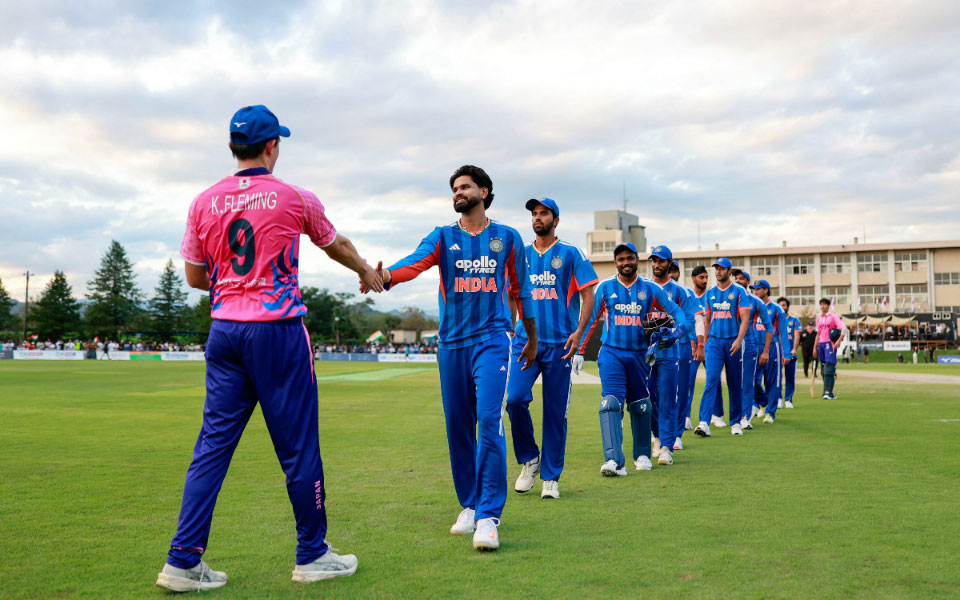 India become first team to register 200 T20I wins, reach milestone against Japan
 DDCA seeks probe into alleged irregularities involving DPL players and franchise
 ‘A splendid triumph for Indian cricket’ – PM Modi congratulates women’s team on Asian Games gold
 No DRS at Asian Games 2026: here is why the review system is not available