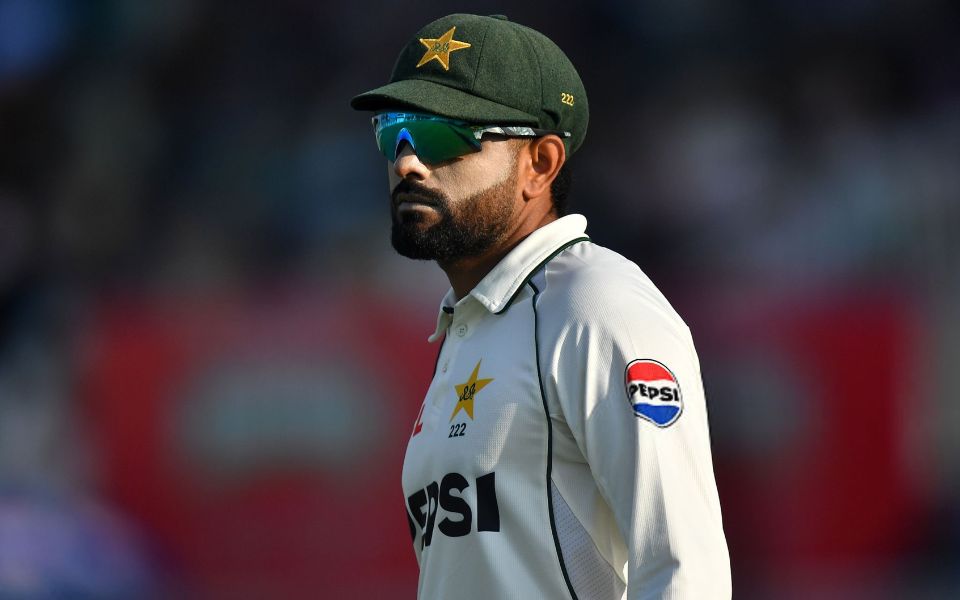
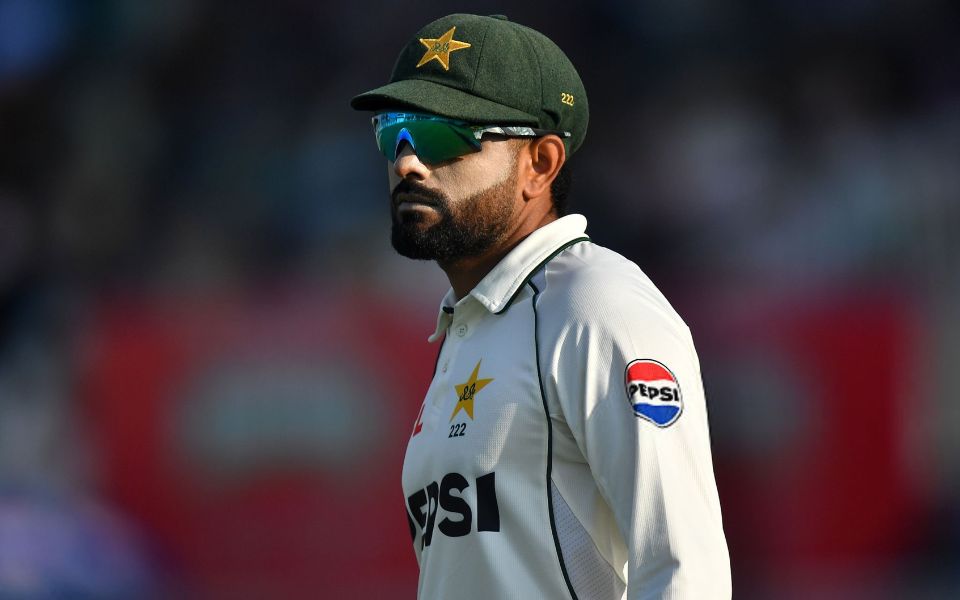
Pakistan’s fast bowling attack has faced significant challenges in recent years, with performance metrics revealing a sharp decline in effectiveness. The issue has been attributed partly to pitch preparation practices during Babar Azam‘s captaincy. The decline became evident during Pakistan’s Test series loss to Bangladesh, where the visiting pace bowlers consistently clocked speeds in the high 130s to mid 140s, while Pakistan’s attack delivered at considerably lower velocities.
Former Pakistan Cricketer Urooj Mumtaz has highlighted the role of domestic pitch conditions in this deterioration. According to Mumtaz, the preference for batting-friendly surfaces during Babar’s tenure as captain created an environment where fast bowlers received minimal support from the playing conditions.
“We’ve gone so far away from it because our batters, um, especially when Babar was captain, wanted flatter tracks, wanted the batsmen sort of dominated the way things ran more,” Mumtaz said on Sky Sports Cricket.
How pitch preparation affected Pakistan’s pace bowling
The impact on individual bowlers has been measurable. Shaheen Shah Afridi, once considered Pakistan’s premier pace bowler, has struggled to maintain his earlier pace levels since returning from a knee injury in 2022. Before the injury, Afridi took 99 wickets at an average of 24.86. Following his return, his next 27 wickets came at an average exceeding 40 runs each, demonstrating a significant drop in effectiveness. Afridi was dropped from Pakistan’s XI on multiple occasions during the Bangladesh series.
Mumtaz emphasised that the removal of grass from first-class pitches compounded the problem for pace bowlers. This practice left fast bowlers without the assistance they traditionally relied upon to generate movement and pace.
“Even in first-class cricket, grass was taken off. So, you were almost putting the fast bowlers up against the wall, giving them zero assistance in first-class cricket, and providing a lot of batters to score runs without any test, really. And that’s where I feel they’ve just fallen off the boil,” Mumtaz continued.
The current state of Pakistan’s pace attack reflects the cumulative effect of these conditions. Mumtaz observed that Naseem Shah has become unavailable, Haris Rauf is not bowling at his previous speeds, and Ubaid Shah has emerged as the fastest bowler in the attack, capable of reaching approximately 140 kilometres per hour.
She emphasised that fast bowlers have not received adequate recognition and support, contributing to a shift in their approach to the game. Pakistan faced England in Test cricket starting August 19, with the team led by Babar Azam, who returned as Test captain after stepping down in late 2023.
 Teenager Thomas Rew named England Lions T20 captain for West Indies tour
 Jemimah Rodrigues appointed Switzerland Tourism’s Friendship Ambassador for India
 What is Shreyas Iyer’s record in Bengaluru in T20Is?
 3 Indian cricketers who should play ODIs more often