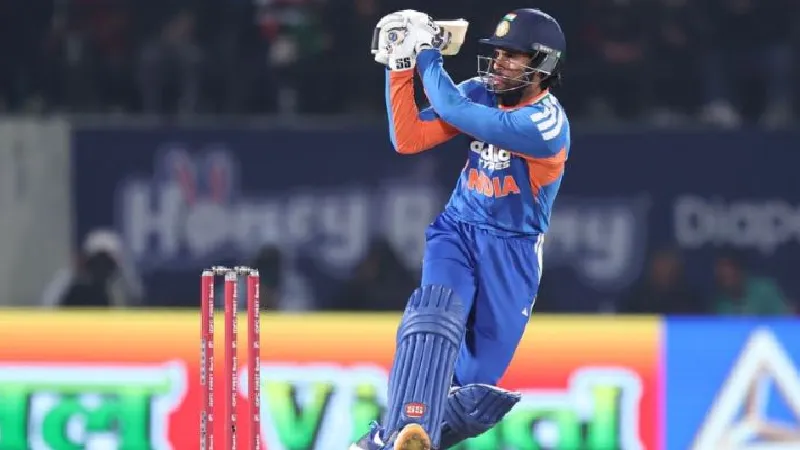
Tilak Varma (Source: BCCI)
Tilak Varma has revealed that number three is his preferred batting position, while also speaking candidly about how difficult it has been to adapt to batting in the lower middle order for India in T20 Internationals. The left-hander made these remarks ahead of the ongoing India versus West Indies T20I series, which began on October 6, 2026 in Lucknow, where he is serving as vice-captain.
Tilak, who made his T20I debut on August 3, 2023 against West Indies, has since batted across a wide range of positions, from opener to number six. Despite this, he revealed that his favourite position to bat has been in the top order, saying that he has been an opener since childhood.
“I always say, I prefer batting in the top order. I always love batting at number three. From opening, in the Under-19 World Cup, I played at number three. After that, in the IPL, I played at number four, and from there at five and six. So, I went on to play basically in every position. Since childhood, I’ve been an opener, so if you tell me to open even now, I’ll do it. But I really love batting at three,” Tilak said on JioStar.
Why has the transition to the lower order been tough for Tilak Varma?
Tilak has been deployed predominantly in the lower middle order for India since the UK tour in June 2026. In 16 T20I innings during that period, 15 have come at number five or below. He has scored 327 runs in those outings at an average of 46.71 and a strike rate of 145.33, which reflects a strong adjustment to the demands of that role.
Despite those numbers, he has been open about the mental and technical work required to make that shift. The mechanics of batting lower down differ considerably from batting at three or four, with older balls, more slower deliveries and yorkers all becoming more prominent. He addressed this challenge directly.
“From opener to three, you can shift easily, because it won’t make that much difference. From three to four won’t make much difference as well. When you are a number three or four player and then you bat at six or seven, that transition has been really tough. At the same time, when the team needs it, you don’t have any other option. You have to earn that position. For that, I worked on myself a lot in practice and mentally on how I can hit while staying still. When you bat early on, the bowlers hit the seam more. When you bat lower down, the mechanics change; the ball gets older, and they bowl more slower balls and yorkers. All these things come into play. So, I prepared myself mentally accordingly and accepted that I have to perform here. Once I did that, I worked on it in practice. Once it gets executed in a match, you get that confidence, and from there, it gets going,” he said.
How does Tilak Varma prepare mentally before a match?
Tilak’s numbers at number five and six in T20Is since June 2026 underline the results of his preparation. At number five across 10 outings, he has scored 236 runs at an average of 59 and a strike rate of 139.64, including three half-centuries. In four innings at number six, he has averaged 44.50 and struck at 171.15.
A key part of his approach involves detailed mental rehearsal before each game. He thinks through the opposition bowling attack, anticipates match situations and visualises his innings before going to sleep.
“When a game is approaching, like if there’s a game tomorrow, I visualise; I think about which bowlers the opposition has. What kind of bowlers could come on? Before going to sleep, I just visualise that I’m walking in at this position. I always think about how I can win the game for the team. I will align myself in that manner, thinking, ‘This is their best bowler. How can I attack him?’ Once I’ve thought through that, I’m already prepared. Then, when I go onto the field, I’m not surprised, like, ‘Oh, I walked in and this bowler came on, now the ball is doing this, his best ball is that.’ I always prepare for the best. Then, if some other bowler comes on, it becomes easier when you prepare for the best. I always visualise that and go in, and it really helps me, and results have come,” he said.
Disclaimer: This latest news is based on the author’s understanding, analysis, and instinct. As you review this information, consider the points mentioned and form your own conclusions.
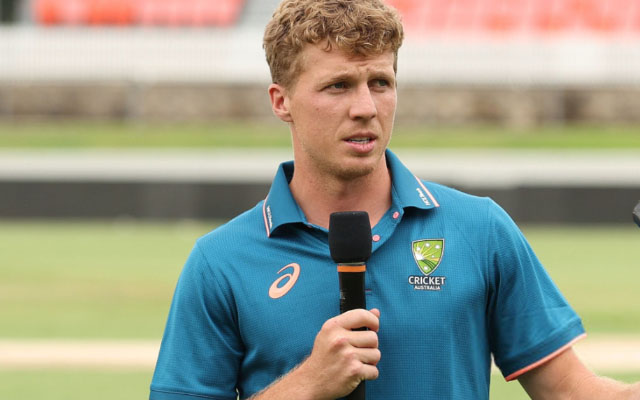 McSweeney ton headlines Australia A’s dominant win against India A
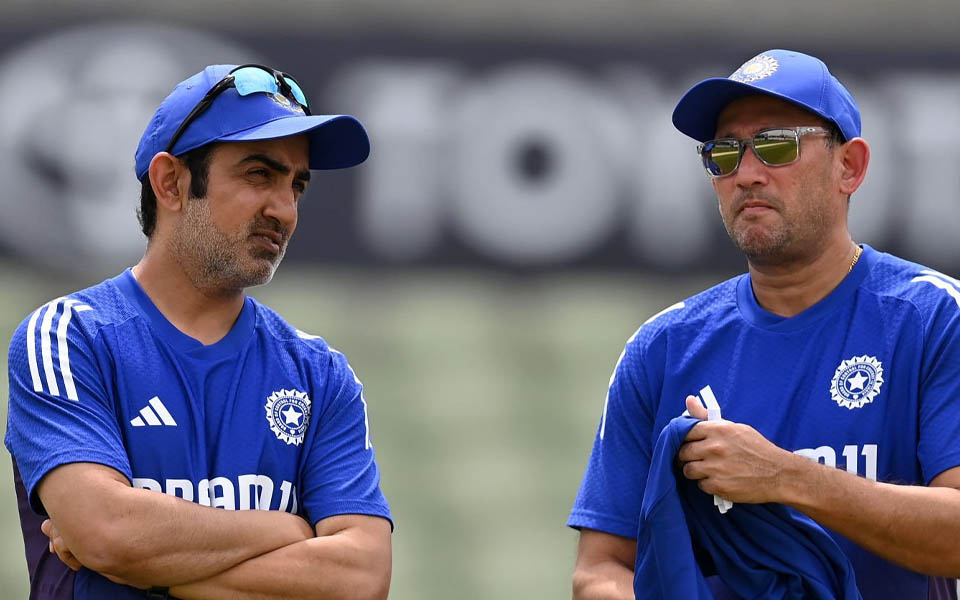 ‘History will be kinder to you’ – Gautam Gambhir pays tribute to Ajit Agarkar after his exit as chief selector
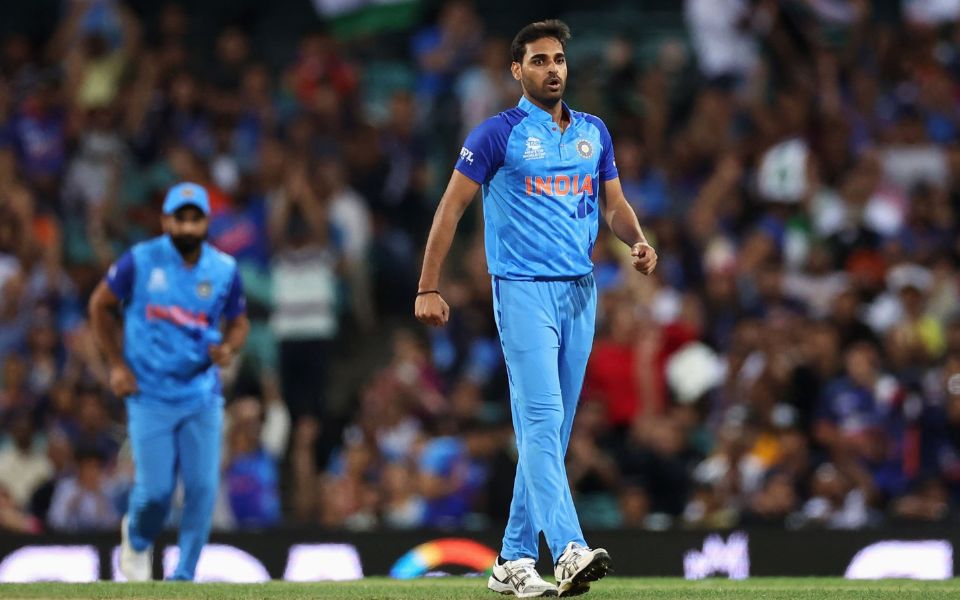 ‘Another story is hidden behind this selection’ – Aakash Chopra on Bhuvneshwar Kumar’s T20I recall for New Zealand tour
 Dinesh Karthik worries about one-sided T20I matches after India’s dominant win