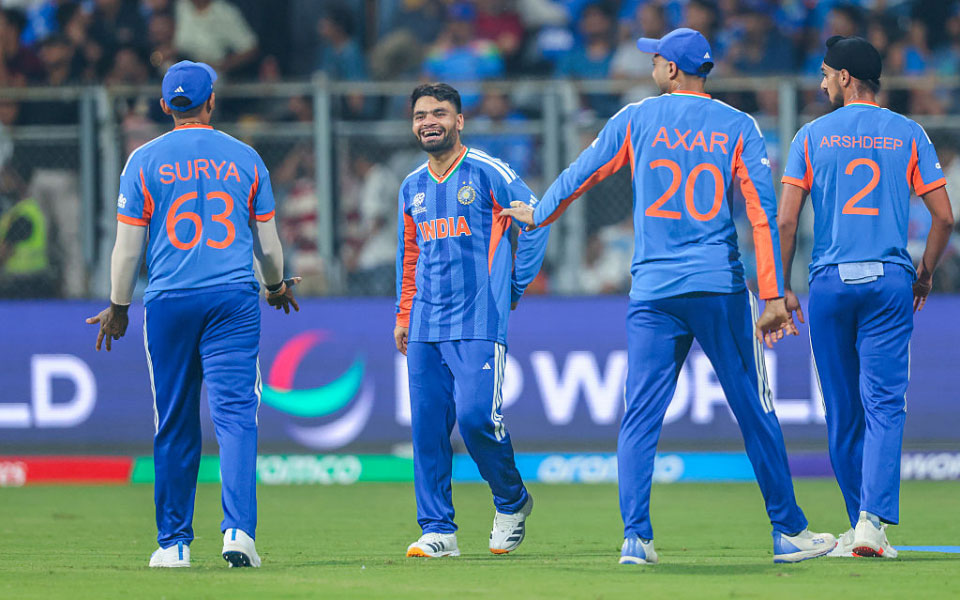
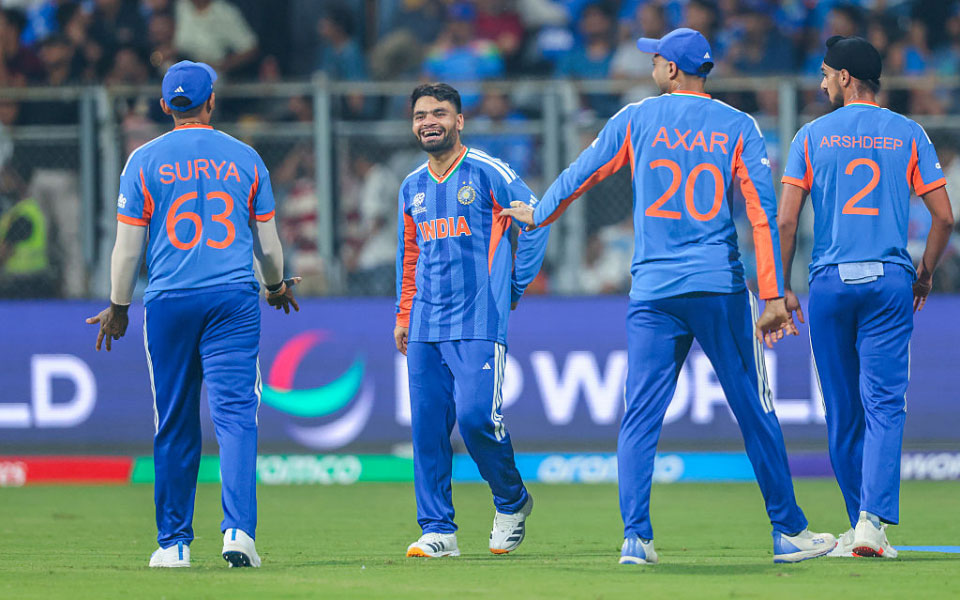
India head into their second fixture of the T20 World Cup 2026 with confidence but also clarity on areas that need refinement. Their opening win against the USA in Mumbai was not flawless, yet it underlined the depth and resilience of this squad. With a tougher rhythm required in tournament cricket, the Indians now have room to tweak combinations before momentum truly builds.
After suffering a dramatic batting collapse, India were rescued by Suryakumar Yadav’s composed knock, which gave substance to an otherwise fragile innings. The bowlers then took control, executing plans smartly to seal a 29-run victory. The victory offered lessons in adaptability, temperament, and squad balance that become decisive deeper into World Cup campaigns globally and consistently. As the Men in Blue prepare to face Namibia in Delhi on February 12, selection and tactical calls could sharpen their edge further.
T20 WC 2026: Here are 3 changes India should make for their next game
1. Bumrah to return in place of Siraj
-(1).jpeg)
The most straightforward change would be Jasprit Bumrah’s return to the playing XI after missing the opener due to illness. The management expects him to be fully fit for the Namibia game, and his presence automatically lifts the bowling attack. Mohammed Siraj, despite a disciplined outing, is likely to make way to restore India’s preferred pace combination. Bumrah’s T20I record speaks for itself; in 87 T20Is played he has picked up 107 wickets with an economy of just 6.55. He played a central role in India’s successful 2024 campaign, capping it off by being named Player of the Series.
Bumrah’s inclusion alongside Arshdeep Singh gives India their most reliable fast-bowling pair in T20 cricket. Siraj’s biggest strength lies with the new ball, but Bumrah offers control, variation, and death-over mastery. In high-stakes tournaments, that all-phase impact becomes invaluable, making this a tactical switch rather than a reflection on Siraj’s performance, who picked up 3 wickets against the USA. Such balance has often defined India’s most successful T20 campaigns in recent years in varied global conditions worldwide.
2. Reworking the batting order for clarity
-(2).jpeg)
India’s batting order showed signs of uncertainty against the USA, particularly in the middle overs. Shivam Dube at No.5 and Rinku Singh at No.6 disrupted the natural flow of roles. A clearer structure would help absorb collapses better, especially on slower surfaces where shot selection and tempo management are crucial. Such tweaks also help younger batters settle into clearly defined responsibilities rather than reacting instinctively under pressure situations repeatedly and intentionally.
Hardik Pandya batting at No. 5 provides stability and leadership during pressure phases, allowing him to play the role of a stabiliser if early wickets fall. Rinku Singh can then operate as a designated finisher at No. 7, while Dube floats based on matchups against spin. This alignment restores balance and clarity to India’s middle order.
3. Using Hardik Pandya with the new ball in powerplay
-(1).jpeg)
The third adjustment could be a tactical rethink with the new ball. With Bumrah returning, India can revert to their preferred strategy of opening the bowling with Arshdeep Singh and Hardik Pandya. Pandya has enjoyed success in the powerplay, using movement and bounce to strike early. It also reduces early pressure on Bumrah while spreading wicket-taking threats across the first six overs consistently and effectively.
Bumrah can then be held back to close the powerplay in the sixth over, maximising his versatility across phases. This approach extracts more value from Pandya’s skill with the new ball while preserving Bumrah for key moments. It reflects a smarter distribution of resources rather than a reactive change.
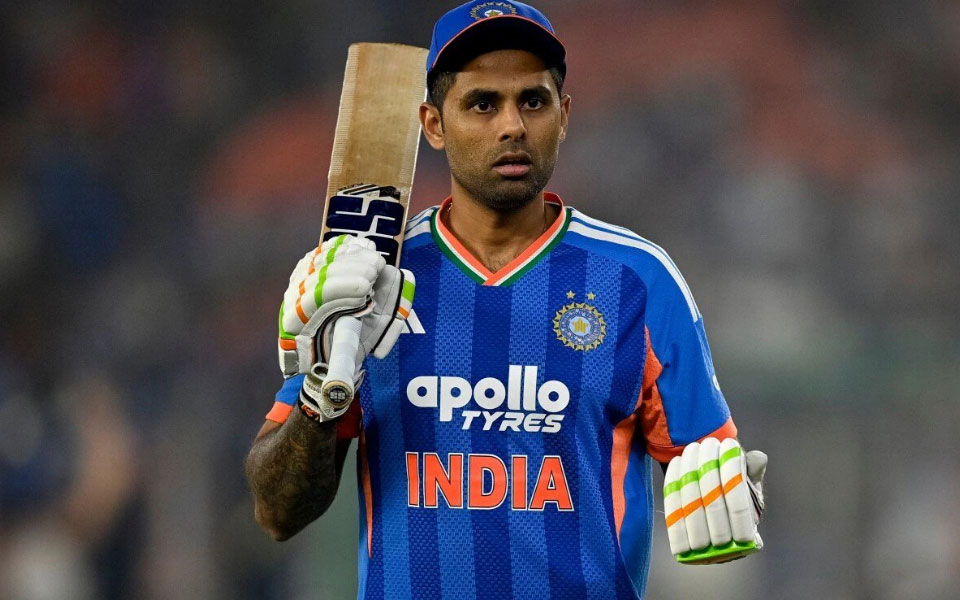 Suryakumar Yadav denies false statement, sends special message to Vaibhav Sooryavanshi
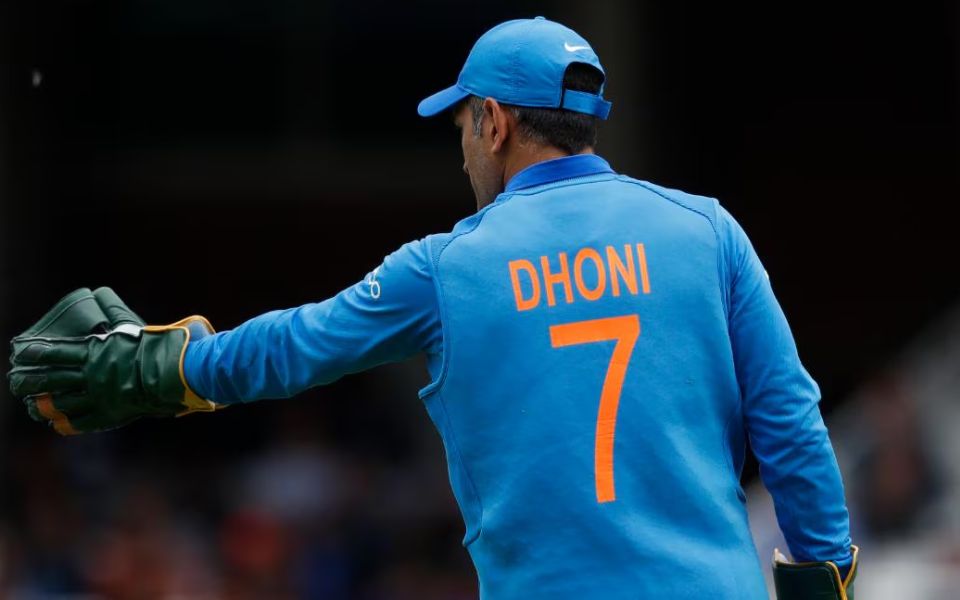 Comparing MS Dhoni’s captaincy record with Ganguly, Kohli and Rohit
 ‘Booted out after just 3 games is simply ridiculous’ – Dodda Ganesh fumes after Sanju Samson’s exclusion from ZIM vs IND 2026 T20Is
 VVS Laxman to be India’s head coach for Zimbabwe tour and 2026 Asian Games, no Gautam Gambhir