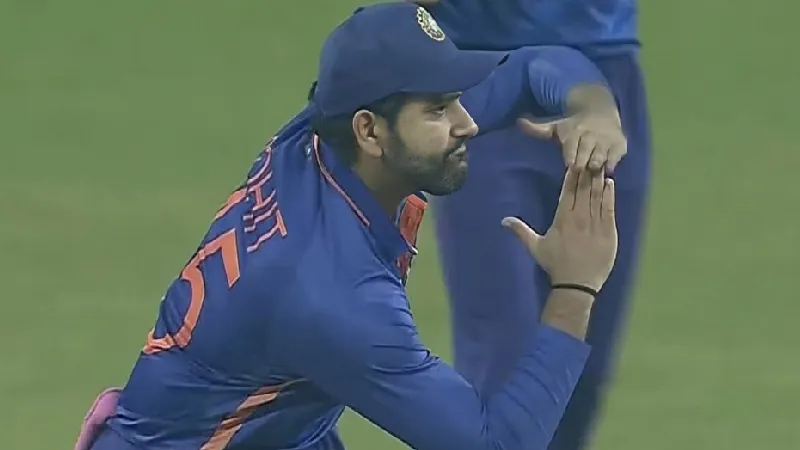
Asian Games (Photo source: Twitter)
Cricket at the 20th Asian Games 2026 is in full flow, with the women’s tournament having already ended with India bagging gold, while Sri Lanka and Pakistan settled with silver and bronze medal, respectively. One aspect of the competition has caught the attention of fans and observers: neither the men’s nor the women’s teams will have access to the Decision Review System at any point during the Games.
The DRS enables teams to challenge on-field umpiring calls through ball-tracking technology, UltraEdge and slow-motion replays. Without it, every lbw verdict, caught-behind appeal and close run-out call becomes final the moment the standing umpire raises or lowers a finger. All match-defining decisions will rest entirely with the on-field officials throughout the tournament.
Three interconnected factors have led to this outcome: the high operating costs of deploying DRS infrastructure, the logistical complexity of installing it within a multi-sport setting, and the shared nature of the venues being used for cricket.
Why is DRS not available at Asian Games 2026?
A fully operational DRS setup demands specialised ball-tracking cameras, UltraEdge hardware and a dedicated team of trained technical personnel. None of these are standard fixtures at a multi-sport venue. Each component must be sourced, transported and commissioned specifically for cricket, adding both time and expense to an already complex event-management operation.
The financial burden is substantial. At a bilateral series or ICC event, broadcast partners and host boards typically share DRS costs across multiple matches over several weeks. At a multi-sport Games, cricket occupies only a fraction of the overall programme, making that cost-sharing model unworkable. The expenditure cannot be justified against the limited number of cricket fixtures on the schedule.
Cricket at the Asian Games is also being staged at venues that simultaneously serve other sports disciplines. Reconfiguring those shared facilities to satisfy the technical specifications required for DRS, even on a temporary basis, creates practical difficulties that compound the financial argument against deploying the system.
What does the absence of DRS mean for competing teams?
Players and team managements have no avenue to contest a decision they consider incorrect. Once the on-field umpire rules, that call stands, regardless of what television replays may subsequently indicate. The burden of accuracy falls squarely on the standing officials across every match in the competition.
This situation is not without precedent. Multi-sport events have consistently operated without DRS for the same combination of reasons that apply at the Asian Games 2026. Nevertheless, with medals at stake and the competitive intensity that comes with representing a nation at a continental Games, the absence of a review mechanism remains a talking point among those following the cricket closely.
Teams will need to factor this reality into their on-field conduct, accepting that close and potentially match-altering decisions will not be revisited once made.
Disclaimer: This latest news is based on the author’s understanding, analysis, and instinct. As you review this information, consider the points mentioned and form your own conclusions.
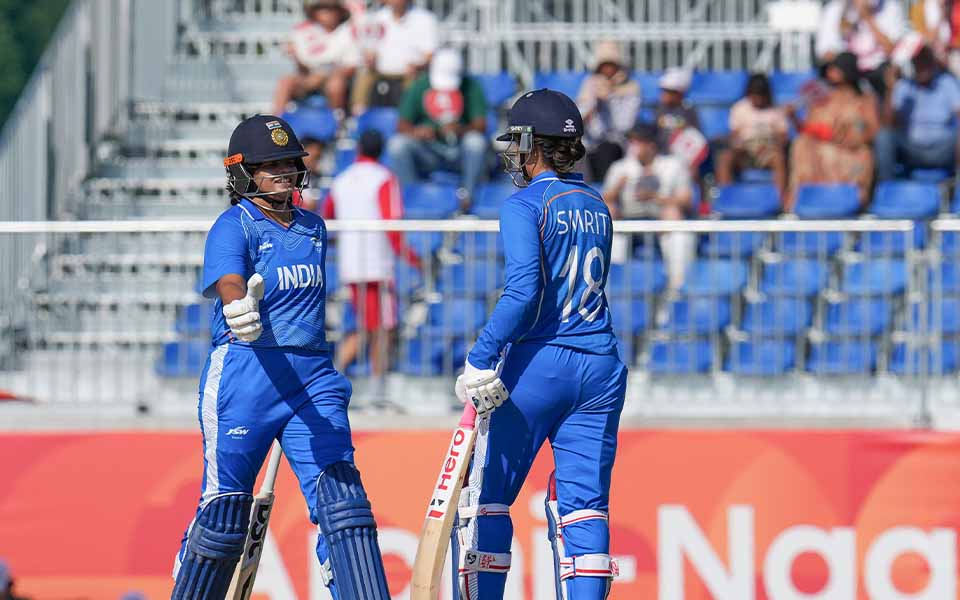 ‘That’s the beauty of a team game’ – Sachin Tendulkar hails India women’s gold medal triumph
 India and Japan share jersey swap after first-ever international cricket meeting
 Coach Alan Richardson praises Worcestershire after Durham draw
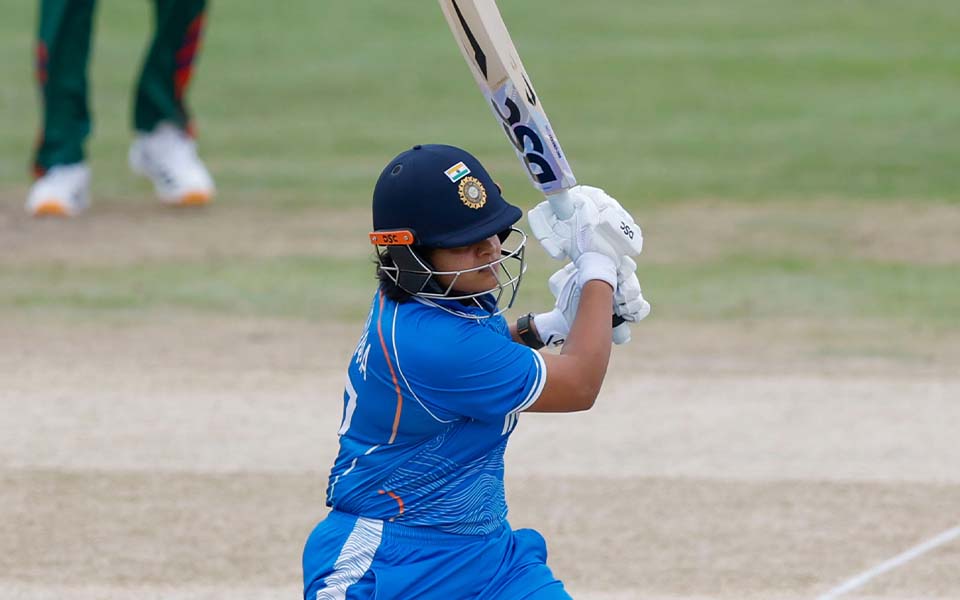 Shafali Verma rises to fourth in ICC Women’s T20I batting rankings after heroics in back-to-back continental competitions