

Bangladesh scripted history at the Marrara Oval in Darwin when they beat Australia by 9 wickets in the 1st Test from August 13 to 16. It was their first Test win on Australian soil in only their third attempt, and they had not played a Test in the country for 23 years.
The result lifted Bangladesh to fourth in the World Test Championship standings with a points conversion of 66.67, having beaten the table-toppers Australia. Their squad balance, selections and play could offer insights to India, who have struggled for consistency in away Tests in the recent past.
Here are three things India can learn from the Bangladesh Test team’s victory in Australia:
1. Building a reliable pace battery beyond one bowler

India’s pace attack has long depended on Jasprit Bumrah to lead the charge, and his recurring injury concerns expose a serious vulnerability. Bangladesh showed in Darwin that a reliable pace battery, capable of performing across different conditions, can be the difference in away assignments.
Hasan Mahmud, Taskin Ahmed and Ebadot Hossain formed a pace trio which had attributes which balanced each other out and performed brilliantly even in the absence of Nahid Rana. India needs to return to a combination template which offers balance in their attack and align their goals to meet that combination.
2. Spreading the batting load across the entire lineup

India have repeatedly leaned on one or two senior batters to rescue the side in difficult away conditions. Bangladesh’s approach in Darwin was the opposite. Their first-innings total of 426 was built on contributions from Tanzid Hasan, who scored a maiden Test hundred of 101, Najmul Hossain Shanto with 84 and Mehidy Hasan Miraz with 65. Three distinct contributors across different batting positions shared the load.
India have often been a victim of relying on individual batters to pull their side out of a hole, while emphasising individual milestones rather than collective success. They have often failed to capitalise on platforms built with the bat, which could be improved with batters having a better understanding of situations.
3. Trusting specialist roles over all-rounder dependence

Bangladesh’s bowling in Darwin was built on a clear pace-spin combination rather than relying on all-rounders to fill gaps. Mehidy took 5/66 with his off-spin in Australia’s second innings while also scoring a half-century in the first innings, contributing heavily as the side’s all-rounder.
India have often found themselves fielding multiple all-rounders in their sides in overseas Test matches. While it helps in lengthening the tail and adding more bowling options, it removes the balance of the side, where there might be a heavier dependence on the specialists to perform. A healthy balance of specialist batters or bowlers in the side always helps in adding quality to the side, which sometimes factors in better than depth.
 CPL 2026: Match 10, JK vs SKN Match Prediction – Who will win today’s CPL match between Jamaica Kingsmen vs St Kitts and Nevis Patriots?
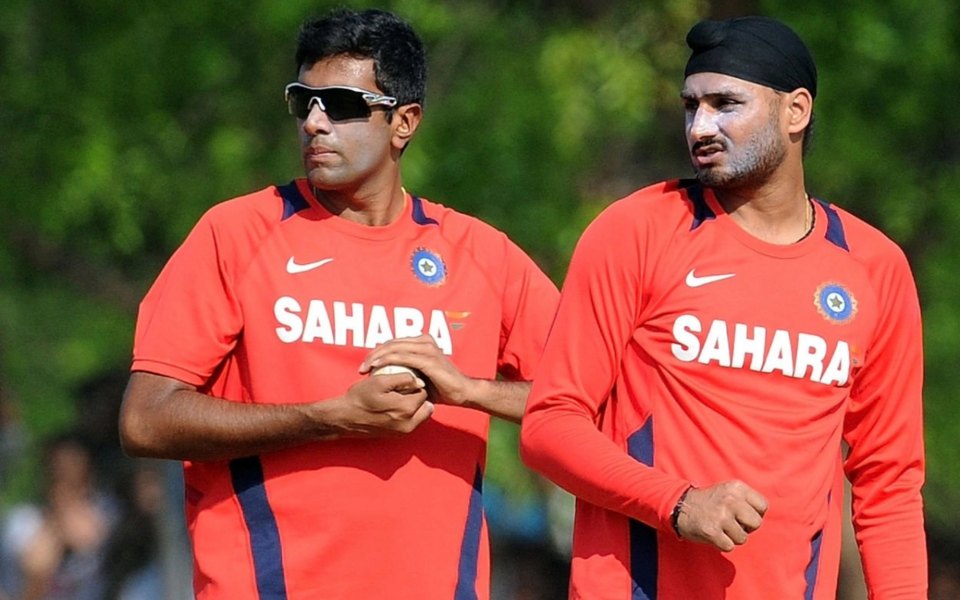 ‘I used to copy Harbhajan Singh’s action in gully cricket’ – Ashwin explains his early inspiration
 Top 8 Indian all-rounders in Test cricket ft. Ravindra Jadeja
 ‘We have only one superstar, and we are constantly pulling him down’ – Azhar Mahmood slams ex-Pakistan players for criticising Babar Azam