.jpeg)
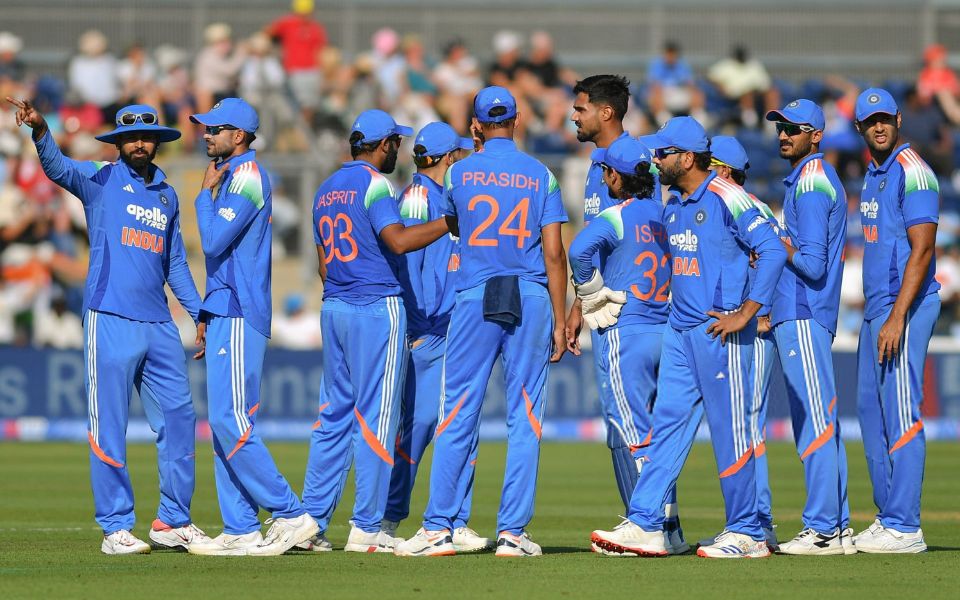
India have had a mixed run in ODIs over the past year, winning the series against South Africa in November-December 2025 but losing to New Zealand 2-1 in January 2026 and defeated Afghanistan 3-0 more recently in June 2026. Those results have highlighted certain patterns that the team management will need to address. With the ICC Cricket World Cup 2027 on the horizon, the pressure to fix structural weaknesses is growing.
Here are three areas where India need to improve in ODIs:-
1. Middle-overs wicket-taking ability (overs 11-40)
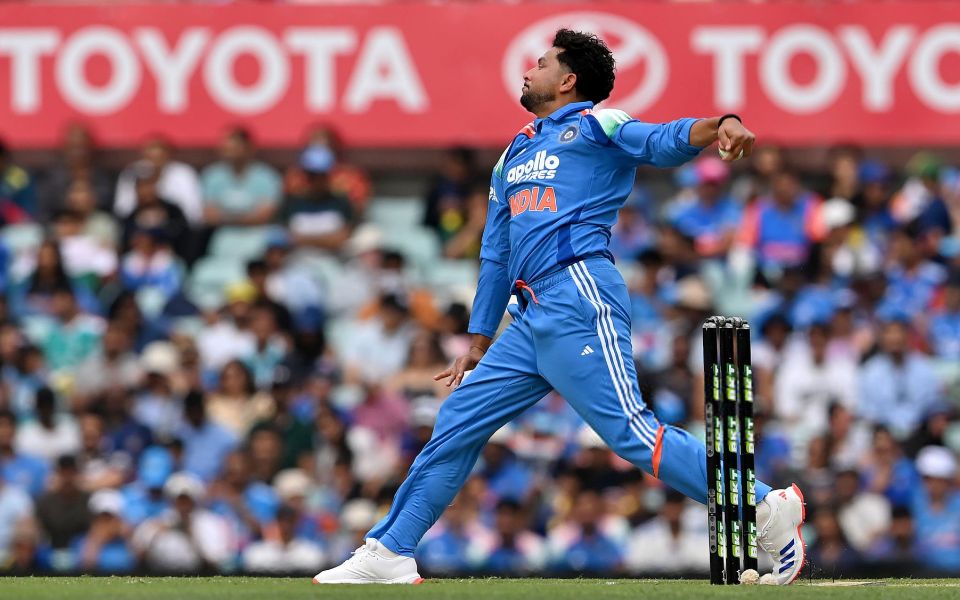
India have struggled to take wickets consistently in overs 11 to 40, allowing opposition batters to settle and build partnerships without regular pressure. When breakthroughs do not come in this phase, the opposition is able to set or chase large totals with greater comfort.
Kuldeep Yadav is regarded as India’s premier wrist-spinner in ODIs and is expected to be the main wicket-taking option in the middle overs. However, the team needs more bowlers who can contribute in this phase. In the series against South Africa in November-December 2025, Kuldeep was India’s leading wicket-taker with 9 wickets across three matches, which shows what he can do when conditions suit him. The challenge is building a more reliable collective bowling effort around him in the middle overs.
2. Lower-order acceleration and crossing 300
.jpeg)
India’s top order features Shubman Gill, Rohit Sharma and Virat Kohli, and when this group fires, the team is capable of posting big totals. Kohli scored 302 runs in the three-match ODI series against South Africa in November-December 2025, winning the Player of the Series award, and followed that with 240 runs in the three-match series against New Zealand in January 2026.
The concern arises when the top order falls quickly. In those situations, the middle order has shown the ability to stabilise the innings but has rarely been able to accelerate the score beyond 300. Shreyas Iyer, KL Rahul and Ravindra Jadeja are the ones who need to be aggressive even after top-order fails and need to work on their attacking instincts. Building a more dependable lower-order batting unit remains an important task.
3. The all-rounder gap
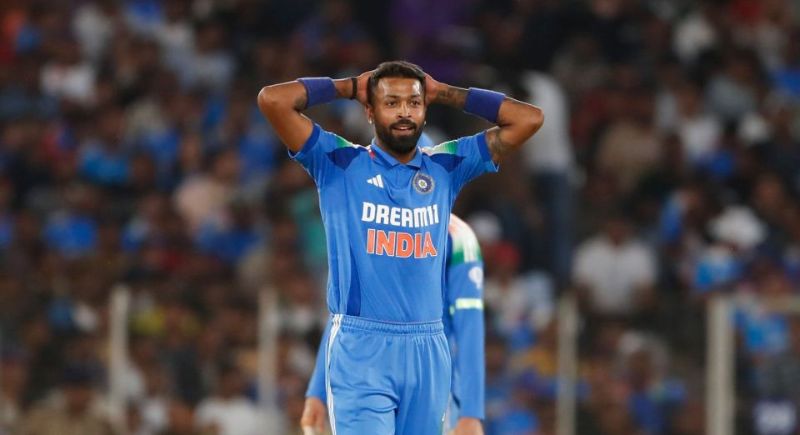
India’s all-rounder options in ODIs remain a concern. Hardik Pandya is the team’s most crucial all-rounder, batting in the death overs and contributing across 10 overs with the ball, but ongoing fitness concerns mean his availability cannot always be guaranteed. Nitish Kumar Reddy has been considered a potential option in this role but is currently out of form, while Shivam Dube’s place in the ODI side is also in doubt. Harshit Rana was India’s leading wicket-taker with 6 wickets in the New Zealand ODI series in January 2026, but he is primarily a pace bowler and not a recognised batting all-rounder.
Axar Patel has 71 ODIs to his name, with 858 runs and 75 wickets, and features in the top 10 of the ICC ODI all-rounder rankings as of July 2026, but no Indian all-rounder appears in the top five of those rankings, with Azmatullah Omarzai of Afghanistan ranked number one. With the 2027 World Cup approaching, India need a settled all-rounder solution soon.
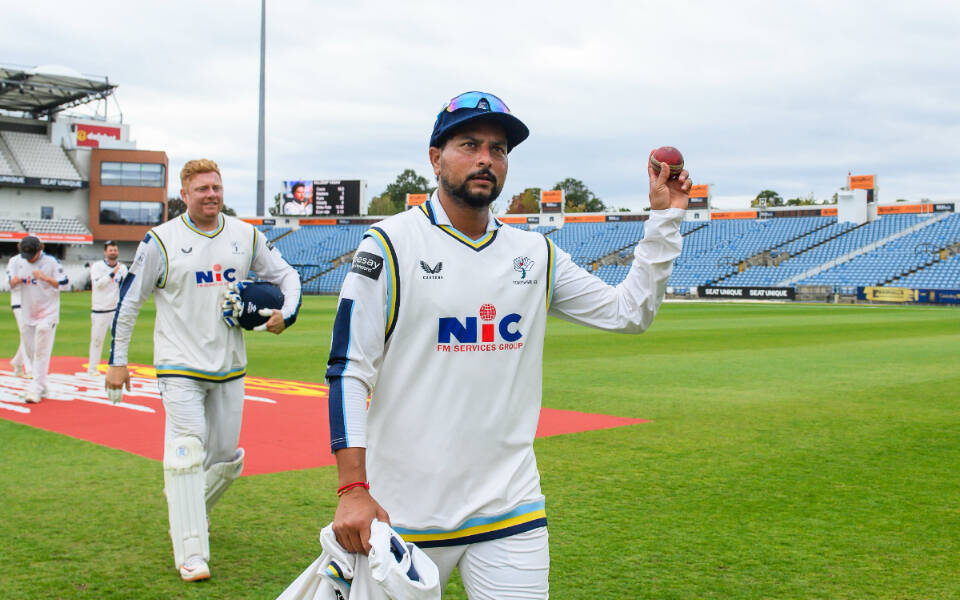 ‘I’ll definitely come back, that’s a promise’ – Kuldeep Yadav vows Yorkshire return after stunning 10-wicket haul
 Marizanne Kapp withdraws from WBBL 2026 as Melbourne Stars re-sign Dani Gibson and Amy Jones
 5 players who could be dropped from the next series
 Sushma Verma replaces Yastika Bhatia at TKR for WCPL 2026 knockouts