
This game between GG and MIE is an explosive matchup with a lot of twists and turns; it’s about two bowlers with similar numbers (Naveen-ul-Haq and Chris Jordan) who can make their own stories. Naveen-ul-Haq, an understated and consistent bowler, has been able to keep opposing teams’ batting lineups in check with an economy rate of just 7.00 and with a history of breaking big partnerships. On the other hand, Chris Jordan is one of the most feared fast bowlers in cricket with 15 wickets under his belt, and is often able to swing games around with his aggressive bowling style and strike power, while giving away almost 9 runs per over. So what’s ironic here? One of them thrives off being as tight as possible and disrupting the flow of the opposition team’s batting lineup. The question now is whether Jordan’s attack can outdo Naveen’s discipline, or if Naveen will be able to slow down the Giants enough so that they never get going?
Economy Over Firepower Wins Games
Naveen-ul-Haq has been the unheralded force driving MIE’s bowling unit. He has been “costing” the batters each over with an economy of 7.00 and with a 14.00 bowling average, forcing them into making errors while creating pressure. In the past, bowlers who have had both these attributes (think Rashid Khan during the 2018 IPL) have always managed to shift momentum in a quiet yet decisive manner. An economical bowler is not merely saving runs for his team; he can also control how the opposing batters will approach the game when it comes down to a chase, and more importantly, whether their chase becomes possible or becomes impossible.
Jordan’s Strike Power and Its Double-Edged Nature
Chris Jordan is a straightforward option in the fast bowling department; he has taken 15 wickets at a great strike-rate, however, his economical rate (8.39) will ensure the scoreboard continues to tick over. His bowling is similar to Lasith Malinga’s in 2011 – explosive and willing to trade a four for a wicket. However, if the batsmen are very organized, then this style of bowling could be a problem. If Naveen’s MIE unit can contain well and keep the runs down at one end, Jordan’s aggressive nature will likely create some short-term excitement with the bat as GG becomes more vulnerable in the latter stages of their innings.
The Battle Within the Game
The dueling nature of this match-up becomes all the more intriguing because of its indirect chessboard. Jordan takes on the pressure when Naveen bowls to either allow him to bowl further into his spell or for Jordan to attack too early. Conversely, Jordan will be tested defensively by Naveen’s precision bowling (if Jordan is batting under pressure). This clash will feature just as many strategic and mental battles as traditional run totals.
While MIE will need to try to take advantage of Jordan’s over-aggressive nature, they must also maintain their wickets while under pressure. Conversely, for GG, they’ll have to use Jordan’s power without walking right into Naveen’s “trap.” In essence, this isn’t simply a contest of bowling; it is a tactically critical juncture where the momentum of the game may shift.
FAQs
What makes Naveen-ul-Haq so effective?
His combination of low economy and key wickets builds pressure consistently, forcing errors from batsmen.
Why is Chris Jordan’s impact unpredictable?
He can take quick wickets, but his higher economy makes him a gamble if the opposition batsmen weather the storm.
How could this duel decide the match?
The contrasting styles, control vs. aggression, will determine which team can sustain pressure and exploit key moments.
Disclaimer: This Exclusive News is based on the author’s understanding, analysis, and instinct. As you review this information, consider the points mentioned and form your own conclusions.
 OTD | England Broke Their Own Record for the Highest ODI Total in Men’s Cricket
 OTD: Bradman and Co Lay Waste to England
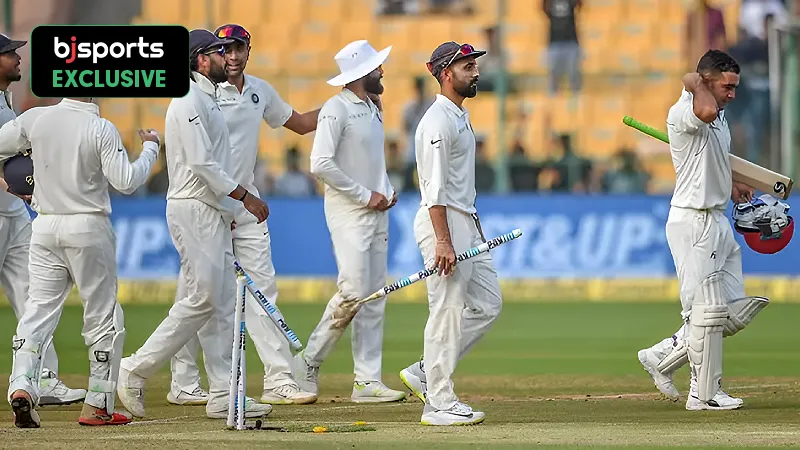 OTD: India Hand Afghanistan a Harsh Lesson in Their Test Debut
 Women’s T20 World Cup 2026: Top 3 Player Battles to Watch Out for in India Women vs Pakistan Women