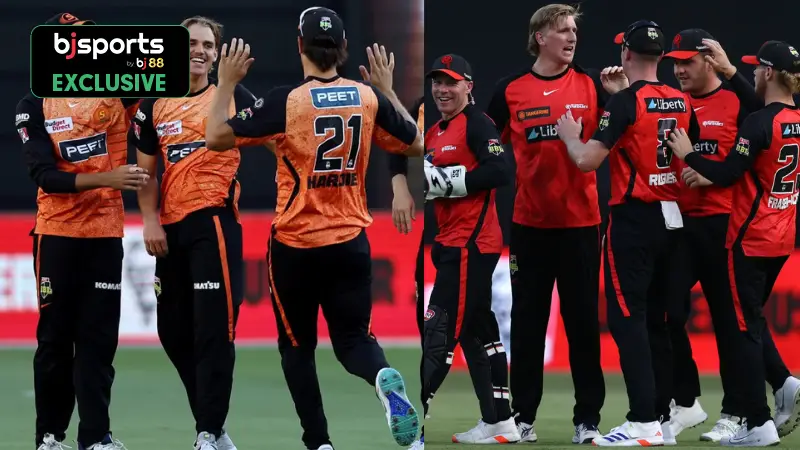
The stage was set for another Scorchers ambush at Perth Stadium. The early new ball movement had the crowd excited, and in the first over, the Renegades had lost two wickets (0/2). The atmosphere felt much like many previous Perth nights: early pressure on the fielding side, scoreboard control, and ultimately an inevitable result. What initially seemed to be a well-structured Scorchers effort began to disintegrate gradually and not as a direct result of one fatal error, but rather due to three unobtrusive errors which collectively gave away the game.
Top-Order Collapse Left Perth Chasing Relevance Instead of Runs
Perth’s collapse of the game started at the bat, and it was brutal. What had begun as a relatively comfortable 25/1 turned into 30/3 in just over 4 overs; Mitchell Marsh hit a golden duck while being bowled on his second ball, and Cooper Connolly went out after 2 balls for 0. This destroyed any possible base that may have been established by Aaron Hardie’s 34 runs from 34 deliveries, which were merely defensive and had no attack, nor did he find a way to get going or get a run rate from, while Ashton Turner and Nick Hobson could not seem to find a run rate or get moving. When the Perth team reached halfway through their batting, they were at 67/5 and were trying to generate momentum instead of controlling it.
Sutherland and Rogers Turned a Collapse into a Counterattack
Perth’s batting problems notwithstanding, they were keeping the Renegades in a stranglehold. After Behrendorff and Morris had knocked over the top order, it was 0 for 2, then 10 for 4, then 44 for 5; at that stage, the game was Perth’s to close out. However, as with most things in cricket, possession is far from enough; you also need to use it with precision.
That’s where Will Sutherland stepped up, having hit 70 runs off just 45 balls; his innings wasn’t explosive at first, it was methodical, patient, and extremely aware of the chase geometry. He absorbed the pressure by taking single runs and waited for the bowlers who could deliver pace on the ball. Therefore, by the time he started hitting, the required run rate was always safe. Once Sutherland eventually fell for 136/6 in the 19th over, Perth still had one last opportunity.
Death-Overs Drift and a Failure to Adapt Under Pressure
The margin of victory wasn’t due to a single error but rather from several minor concessions, which would be uncharacteristic for top-tier teams. For example, Matthew Kelly’s 3.4 overs gave up 38 runs, at over ten an over – essentially an escape valve from what had otherwise been a very disciplined bowling performance. The usual trademark of good fielding from Perth was also lacking, with many singles taken when dots could have been created instead, as well as with pressure being relieved too quickly rather than being sustained.
The most telling factor was the tactical inflexibility. When Rogers took over, there were still too many similarities in the way the team responded; the attack continued with too great an emphasis on pace; they did not provide sufficient variety; and they consistently selected field positions at the end that were predictable. It was not a matter of their having insufficient skill; it was a matter of the team failing to recalculate its approach.
FAQs
Why did the Perth Scorchers lose despite early wickets?
Their top order collapsed, setting a below-par total that left no margin for error.
Who changed the match for Melbourne Renegades?
Will Sutherland stabilized the chase, and Tom Rogers finished it with a match-winning unbeaten 49.
What must Perth improve going forward?
Death-over tactics and batting stability without a reliable top-order platform, their bowling brilliance goes unrewarded.
Disclaimer: This Exclusive News is based on the author’s understanding, analysis, and instinct. As you review this information, consider the points mentioned and form your own conclusions.
For more exclusive updates, visit BJSports to access Exclusive News that is only for you, incisive analysis, and updates, and to keep up with all of the latest information on your favorite remarkable cricket players and teams. To ensure you never miss out, join in on the fun right away!
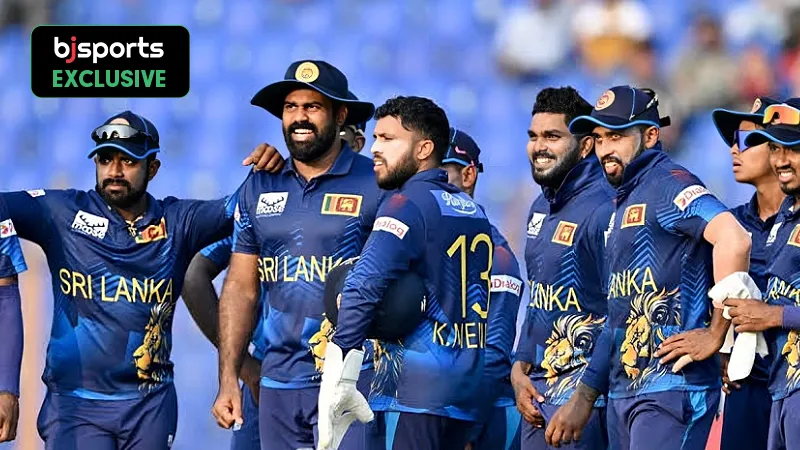 Predicted Playing XI of Sri Lanka in 2nd T20I against England
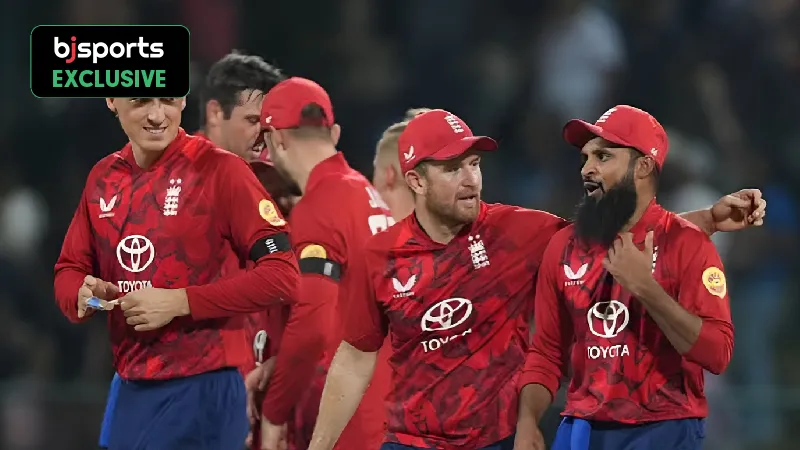 Predicted Playing XI of England in 2nd T20I against Sri Lanka
 Top 3 player battles to watch out for in Match 35 of CPL 2026 between Barbados Tridents and Guyana Amazon Warriors
 Top 3 bowlers to watch out for in Match 35 of CPL 2026 between Barbados Tridents and Guyana Amazon Warriors