Jasprit Bumrah. Deepak Chahar. Delhi Capitals reduced to 7 for 2. The game was MI’s to control. Forty-three balls later, Sameer Rizvi had 90 runs at a strike rate of 176.47, and DC were past 150. The specific failure isn’t that MI lost, it’s that they had DC exactly where their bowling plan required them to be and still couldn’t convert early wickets into a defendable match position. 162 for 6 was the other failure. Only 40 runs in the last five overs with wickets in hand. Both failures in the same match. Batting that didn’t finish. Bowling that couldn’t sustain. DC needed neither department to work. MI needed both.
MI’s Last Five Overs Cost IPL 2026 Match 8
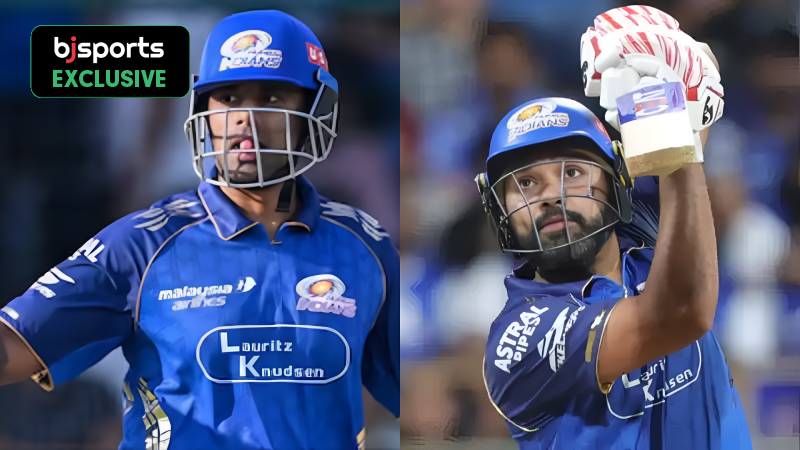
The specific phase where MI’s batting failed isn’t visible in Suryakumar Yadav’s 51 from 36 balls or Rohit Sharma’s 35 from 26. Both are respectable contributions. The failure is what happened after Rohit’s dismissal at 71 for 3, a phase where the innings had been rebuilt and positioned for acceleration that never arrived. The last five overs produced 40 runs. On a Delhi surface where DC subsequently scored above nine per over, 40 from the final five represents a significant undershoot. MI finished at 162 with wickets available to use and a death batting phase that failed to use them. The difference between 162 and 177 is the match; a total DC found comfortable to chase becomes a target requiring something exceptional.
Rizvi’s 90 Made the Wickets Irrelevant
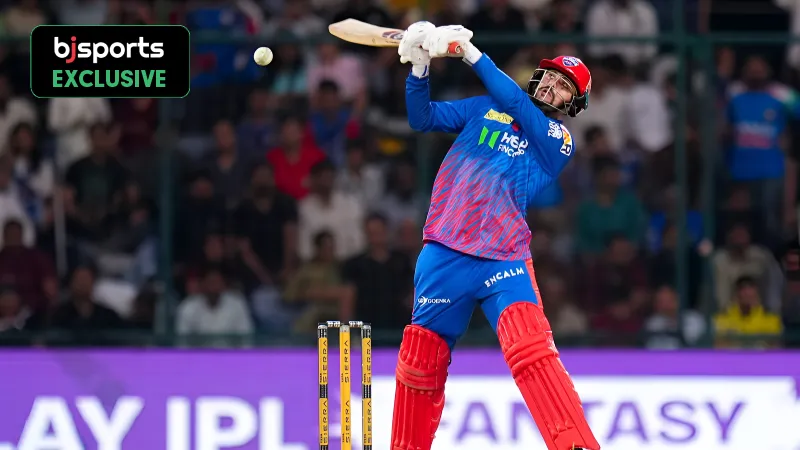
Two wickets in three balls. Delhi at 7 for 2 in the fourth over. Every conventional T20 probability model shows MI winning from that position against a 163-run target. Sameer Rizvi’s specific quality is the thing those models don’t account for: a batter who arrives in a crisis and doesn’t change his approach because the crisis exists. His 90 from 51 balls came through stabilisation first and then a calculated counterattack that didn’t feel like a counterattack because the tempo climbed gradually rather than dramatically. Seven fours and seven sixes across an innings that took DC from 7 for 2 to 151 for 4. The wickets MI took in over three became irrelevant by over fifteen. Rizvi made them irrelevant personally.
Shardul Conceded 41 in Three Overs
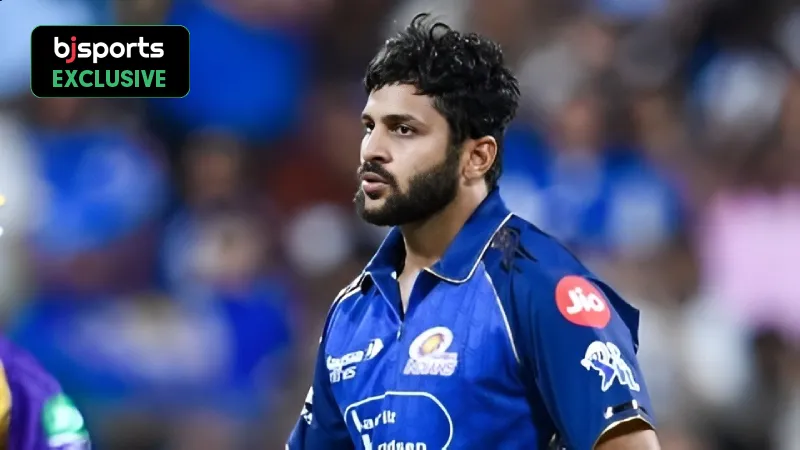
Shardul Thakur‘s 41 runs conceded across three overs is the bowling performance that most directly enabled Rizvi’s innings to become match-defining rather than merely impressive. Shardul bowling at Rizvi in full acceleration mode in the middle overs produced the high economy that inflated the required rate pressure MI needed to apply. When the bowler, a batter in form, is facing, he provides bad deliveries as well as good ones; the good ones get hit harder, and the bad ones get dispatched further. Shardul’s economy in this match wasn’t just an individual bad performance; it was the specific bowling phase where Rizvi moved from rebuilding to dominating, and the transition happened against deliveries that made the transition easy.
- Does MI fix their death batting and middle-over bowling before IPL runs out of matches for them to correct course, or does this specific pattern repeat until the playoff conversation moves on without them? Drop your take and follow for IPL updates.
FAQs
1. Who was the top scorer in MI vs DC 2026 match?
Sameer Rizvi was the top scorer with 90 runs off 51 balls.
2. What was the final result of the MI vs DC match?
Delhi Capitals defeated Mumbai Indians by 6 wickets with 11 balls remaining.
3. Where was the MI vs DC 8th match of IPL 2026 played?
The match was played in Delhi.
Disclaimer: This Exclusive News is based on the author’s understanding, analysis, and instinct. As you review this information, consider the points mentioned and form your own conclusions.
 Predicted Playing XI of Sri Lanka in 2nd T20I against England
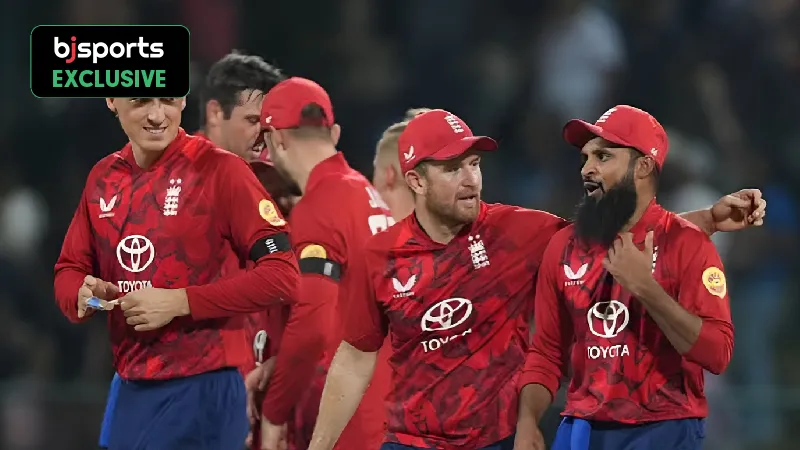 Predicted Playing XI of England in 2nd T20I against Sri Lanka
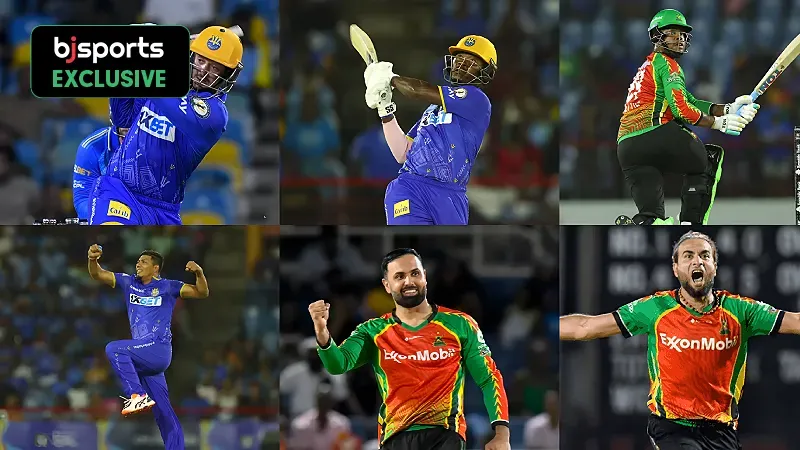 Top 3 player battles to watch out for in Match 35 of CPL 2026 between Barbados Tridents and Guyana Amazon Warriors
 Top 3 bowlers to watch out for in Match 35 of CPL 2026 between Barbados Tridents and Guyana Amazon Warriors