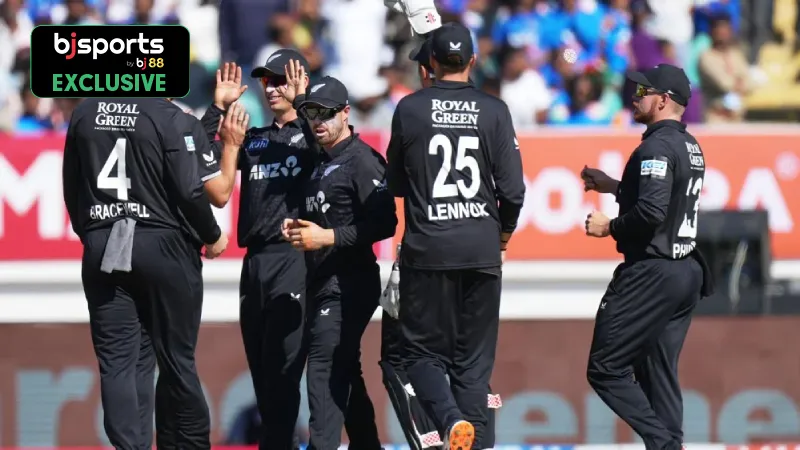
New Zealand will head into the 3rd One Day International (ODI) against India, to face an old Indian conundrum: how to find the right mix of method and momentum in a ground that is not so tolerant of anything other than all-out aggression? Holkar Cricket Stadium in Indore is no place for ‘half-baked’ plans. This is a flat, explosive wicket with short boundaries and very consistent bounce, a pitch from which a total of 350 or more does not feel excessive. In ODIs since 2017, Indore has consistently delivered run-rates of over 6 runs per over, and the chase side is generally always in the hunt for the win until it gets to the last couple of overs.
Top-Order Stability Under Relentless Heat
Devon Conway and Henry Nicholls opening is not so much about being aggressive as it is about controlling the damage on pitches where the ball does not bounce too much; Conway’s ability to hit the ball square of the wicket, while maintaining an ODI average strike rate greater than 90, means he will be very difficult to replace with his opening batting skills. Nicholls is a rhythm batter – vulnerable early on, but impossible to remove from the crease once established.
However, the risks associated with this approach are centered around the pace at which the game develops. Neither Conway nor Nicholls has a natural tendency to accelerate through the first ten overs of their innings. Therefore, there exists a possibility that they may need to sacrifice some of the early momentum created by the Indian bowlers in the new ball phase, for some authority in the middle overs. This is a trade-off that will only work if the batsmen can preserve their wickets.
Middle-Order Elasticity Over Brute Force
Young and Hay will be a mid-order unit based on their ability to adapt to conditions, as opposed to being intimidators. Young’s ODI batting style relies heavily on placements of the ball and creating opportunities with his footwork, which will be helped by an extremely fast outfield. Hay, although unproven at this level, will offer an attacking element of intent to both him and Young; however, he will likely introduce some degree of risk and uncertainty to the partnership.
Hay’s middle-order partnership with Young is not designed to have India’s bowlers under control in terms of scoring runs, but to have New Zealand in a position to fight in the last 10 overs of the match, which are typically when contests are decided at Indore.
All-Rounders as Strategic Insurance
The true structural strength of this XI comes from its all-around players. There is batting depth at #8 via Daryl Mitchell, Glenn Phillips, Michael Bracewell (Captain) & Zak Foulkes; Phillips and Bracewell’s Off-Spin can be used as a tactical weapon to combat the right heavy Middle Order that India has, whereas Mitchell’s medium-pace bowling will provide control rather than take wickets.
Michael Bracewell’s Captaincy also sends a message; his willingness to go for it with spin even on flat pitches indicates that New Zealand is willing to prioritize match-ups over containment. Zak Foulkes is a modern-day ODI Pick, not sensational but good for the phases he is picked for.
Bowling Choices Shaped by Survival, Not Dominance
Kyle Jamieson is still the main fast bowler. In Indore, he also turns into a slower bowler to contain runs. Kristian Clarke and Zak Foulkes are both brought into the team as evidence that speed alone does not work in India without variation. Jayden Lennox’s slow left-arm orthodox will be an additional weapon against Indian right-handed batsmen who tend to look for spin with their feet.
The New Zealand bowling attack has been designed to limit India’s total from 370 down to 320, hoping the batting can make up for it. The question remains whether or not this XI has sufficient strength to take on the power of the Indian side, but with this New Zealand XI, at least Indore does not pretend that it can be controlled.
Key Takeaway
Indore doesn’t reward control; it rewards adaptability.
FAQs
What makes Holkar Stadium so challenging for bowlers?
Its flat pitch, short boundaries, and consistent bounce heavily favor batsmen.
Why is Bracewell’s captaincy significant here?
His proactive use of spin suits matchup-based cricket on flat surfaces.
How can New Zealand stay competitive in Indore?
By batting deep, rotating strike efficiently, and accepting high-scoring realities.
Disclaimer: This Exclusive News is based on the author’s understanding, analysis, and instinct. As you review this information, consider the points mentioned and form your own conclusions.
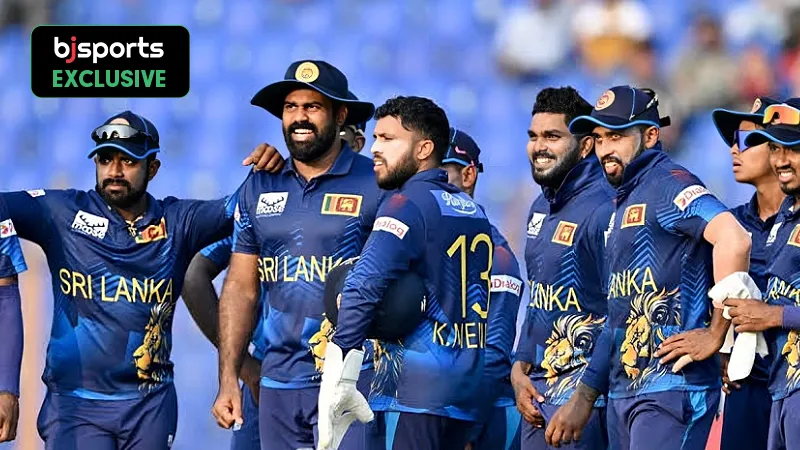 Predicted Playing XI of Sri Lanka in 2nd T20I against England
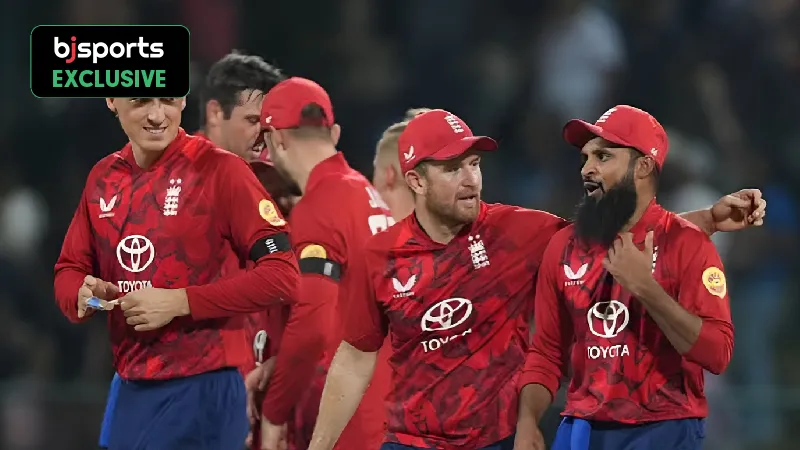 Predicted Playing XI of England in 2nd T20I against Sri Lanka
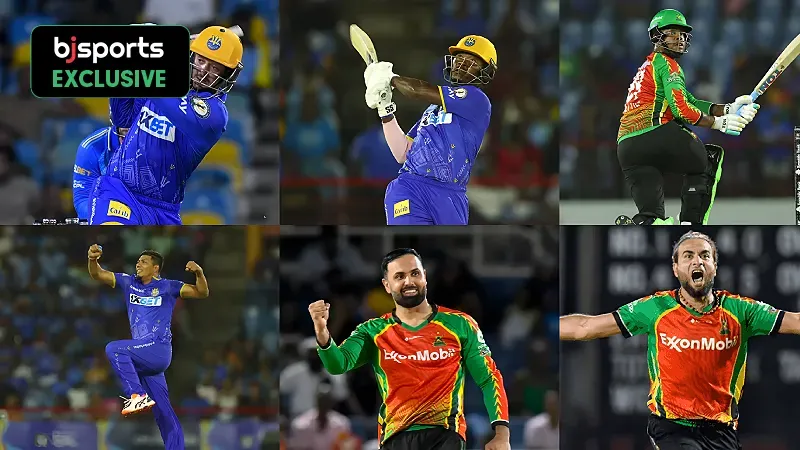 Top 3 player battles to watch out for in Match 35 of CPL 2026 between Barbados Tridents and Guyana Amazon Warriors
 Top 3 bowlers to watch out for in Match 35 of CPL 2026 between Barbados Tridents and Guyana Amazon Warriors