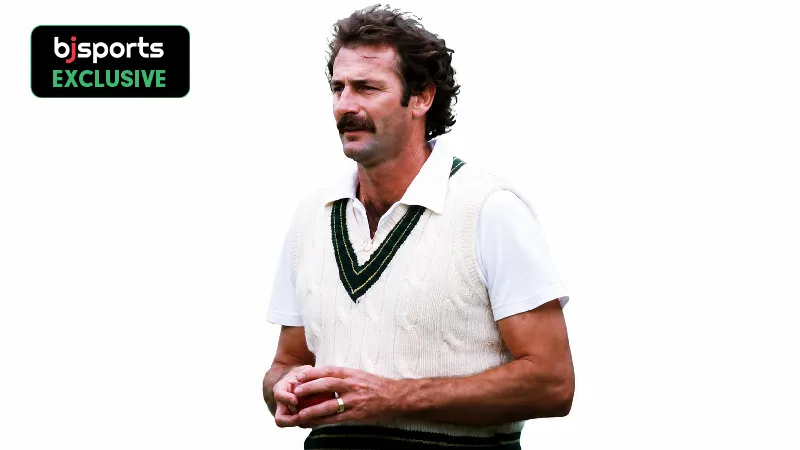
June 7, 1975, is remembered as the opening day of the first Cricket World Cup, but the tournament’s inaugural round offered far more than the famous England-India encounter at Lord’s. Across England, three other matches showcased the emerging possibilities of one-day international cricket. Records were set, milestones were achieved and several of the game’s leading players announced themselves on the sport’s newest global stage.
At a time when limited-overs cricket was still finding its identity, the performances produced on that day helped define the early years of the format. Dennis Lillee became the first bowler to claim a five-wicket haul in ODI cricket, Glenn Turner registered the first score of 150 or more in the format’s history, and West Indies began their campaign with a comprehensive victory that hinted at the dominance they would soon establish in world cricket.
At Headingley, Australia opened their tournament against Pakistan in a contest featuring two strong sides. Pakistan were dismissed for 205 after struggling against the pace and hostility of Dennis Lillee. The Australian fast bowler delivered one of the finest spells seen in the format’s brief history, claiming 5 for 34 from his 12 overs. No bowler had previously taken five wickets in a one-day international, making Lillee the first to achieve a milestone that would later become one of the standard measures of bowling excellence in the format.
Lillee‘s performance ensured Australia remained in control throughout the contest. Pakistan never managed to build sustained partnerships and repeatedly lost wickets at crucial moments. Australia then completed the chase with relative comfort, securing a seven-wicket victory. While ODI cricket would later become known for high-scoring batting displays, Lillee’s spell demonstrated that fast bowlers could be equally influential in shaping results.
Meanwhile, at Edgbaston, New Zealand produced one of the most one-sided performances of the opening round against East Africa. The star of the match was Glenn Turner, who constructed an innings that redefined what was thought possible in limited-overs cricket. Opening the batting, Turner carried his bat through the innings to finish unbeaten on 171, the highest score ever made in a one-day international at that point.
Turner’s innings accounted for the overwhelming majority of New Zealand’s total of 309 for 5. His knock included a combination of patience, placement and acceleration that was rarely seen in the early years of the format. East Africa had no answer to his control of the innings and were eventually dismissed for 128. New Zealand’s 181-run victory was the largest margin of the opening round and underlined the gulf between the established cricketing nations and the tournament’s associate participants.
At Old Trafford, West Indies began their pursuit of what would eventually become the first World Cup title. Their opponents were Sri Lanka, making their ODI debut and still several years away from receiving Test status. Despite their lack of international experience, Sri Lanka competed with determination after being asked to bat first and posted 86 runs before being bowled out.
The modest target never seriously challenged the West Indian batting line-up. Gordon Greenidge led the chase with an unbeaten half-century as West Indies reached the target with only one wicket lost. The nine-wicket victory provided an early indication of the depth and quality within a side that would dominate world cricket throughout the latter half of the decade. While Sri Lanka’s journey as a major cricket nation was only beginning, West Indies looked every bit a team prepared to seize the moment.
The opening day of the first World Cup is often remembered for events at Lord’s, but the action elsewhere was equally significant. Lillee delivered ODI cricket’s first five-wicket haul, Turner established a new benchmark for batting excellence and West Indies launched a campaign that would end with them lifting the trophy. Together, those performances helped shape a landmark day in the history of limited-overs cricket.
Disclaimer: This Exclusive News is based on the author’s understanding, analysis, and instinct. As you review this information, consider the points mentioned and form your own conclusions.
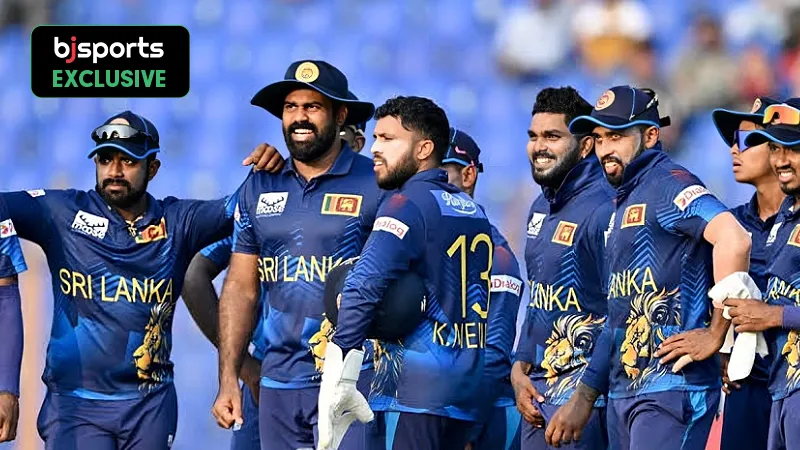 Predicted Playing XI of Sri Lanka in 2nd T20I against England
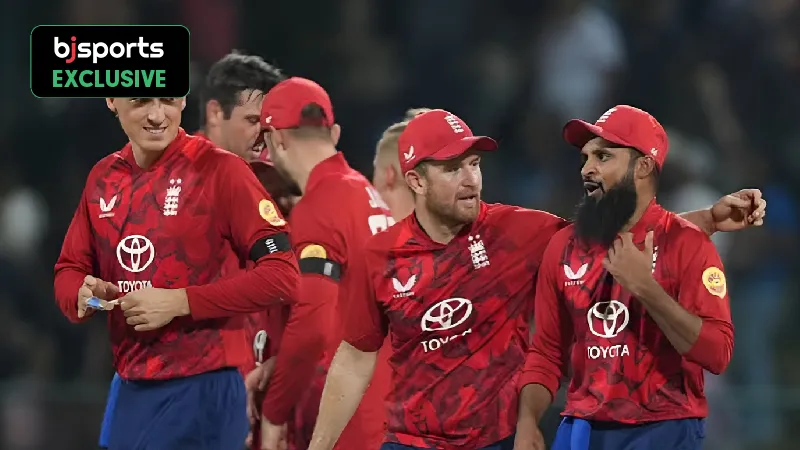 Predicted Playing XI of England in 2nd T20I against Sri Lanka
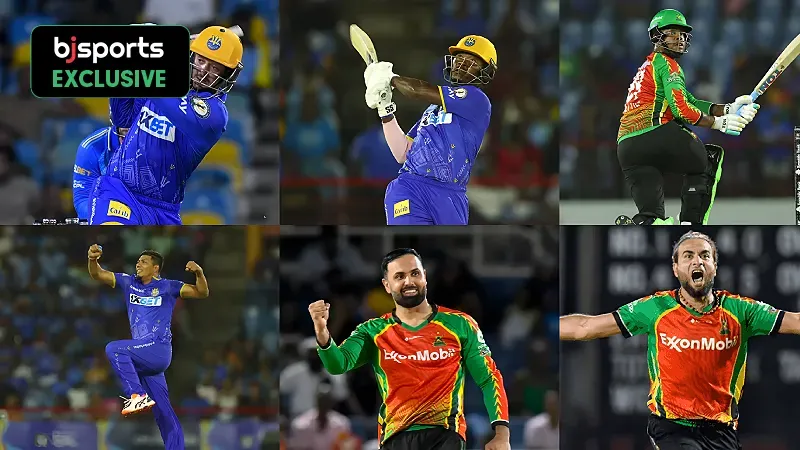 Top 3 player battles to watch out for in Match 35 of CPL 2026 between Barbados Tridents and Guyana Amazon Warriors
 Top 3 bowlers to watch out for in Match 35 of CPL 2026 between Barbados Tridents and Guyana Amazon Warriors