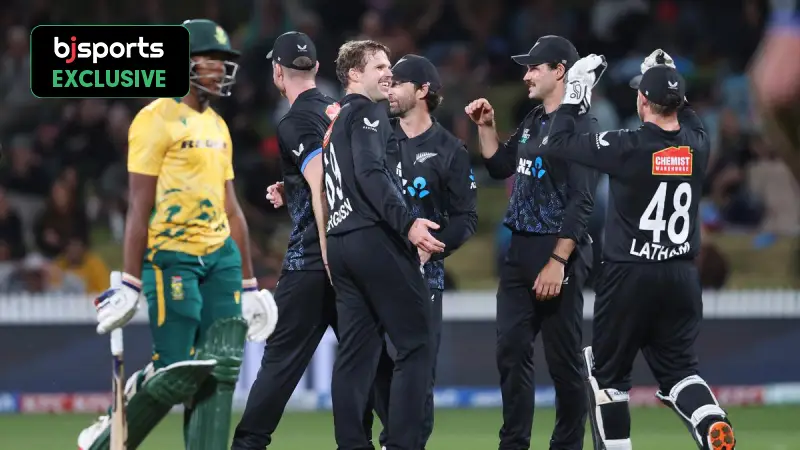
New Zealand began their chase of 165 at Sky Stadium looking like a side that would get there. Sixty-three runs from the powerplay with two wickets down is not a platform that should produce a defeat by 19 runs. It is a platform that should produce a win with two overs to spare. What happened between overs seven and fifteen is the actual story of this match, not the target, not the surface, not the death over execution. A start of 63 for 2, becoming 145 all out in 18.5 overs, means New Zealand lost eight wickets for 82 runs across the last thirteen overs of their innings. That collapse does not happen by accident.
NZ vs SA Middle Overs Decided It
The NZ vs SA contest between overs eight and fifteen was not close. South Africa’s bowling unit, Coetzee, Prenelan Subrayen, and Keshav Maharaj operating in rotation, built pressure through consistency rather than individual brilliance. Subrayen and Maharaj took two wickets each in this phase. The dismissals were not spectacular. They were the product of mounting dot ball pressure forcing batters into risk-taking shots against bowlers who had earned the wickets by doing nothing wrong for three overs in a row. New Zealand’s middle order could not rotate strike effectively against that discipline. Boundaries dried up. The required run rate climbed. By over fifteen, the equation had shifted from achievable to difficult and then rapidly into the territory where only perfect death over batting could save the innings.
Coetzee Broke the Chase Open
Gerald Coetzee’s 3 wickets for 31 runs is the bowling performance that defines this match. Three wickets at that economy across South Africa’s allocated overs means he took a wicket roughly every seven deliveries while conceding at six runs per over, in conditions where 165 from 20 overs represents a par chase rate of 8.25. His ability to produce breakthroughs in the powerplay and return at the death to prevent the finishing acceleration New Zealand needed gave South Africa’s other bowlers permission to contain rather than attack. When a team has one bowler taking wickets at key junctures, the bowlers operating alongside him can bowl to plans rather than desperation. That is what Subrayen and Maharaj did across the middle overs, and Coetzee’s threat was the reason they had the freedom to do it.
The Lower Order Had No Answer
New Zealand reached 111 for 6 with nine overs already gone, requiring 54 from 54 balls, is a run rate that the lower order should have been capable of achieving even in difficult circumstances. They were not. Kyle Jamieson’s 13 off 9 indicated intent without the execution to match. The partnerships that form from 111 for 6 in a tight chase require one batter to anchor and one to swing. Neither condition materialised. Wickets continued to fall at intervals that prevented any acceleration from developing into a sustained scoring run. The innings ended with five balls remaining, confirming that the batting unit did not run out of overs; it ran out of partnerships before the target became unreachable.
South Africa leads the series. New Zealand has the personnel to respond in the decider, but must first solve the middle overs question that this match exposed clearly. The power play is not the problem. What happens after it is.
- Can New Zealand fix their middle overs batting in time for the series decider, or does South Africa close out the series at Wellington? Drop your prediction in the comments and follow for NZ vs SA updates.
FAQs
Q1: What was the result of the 4th T20I between New Zealand and South Africa?
South Africa won the match by 19 runs after scoring 164/5 and restricting New Zealand to 145.
Q2: Who was the top performer in the match?
Connor Esterhuizen was the standout performer with 57 runs and 2 catches, earning Player of the Match.
Q3: Where was the match played?
The match was played at Sky Stadium in Wellington, New Zealand.
Disclaimer: This Exclusive News is based on the author’s understanding, analysis, and instinct. As you review this information, consider the points mentioned and form your own conclusions.
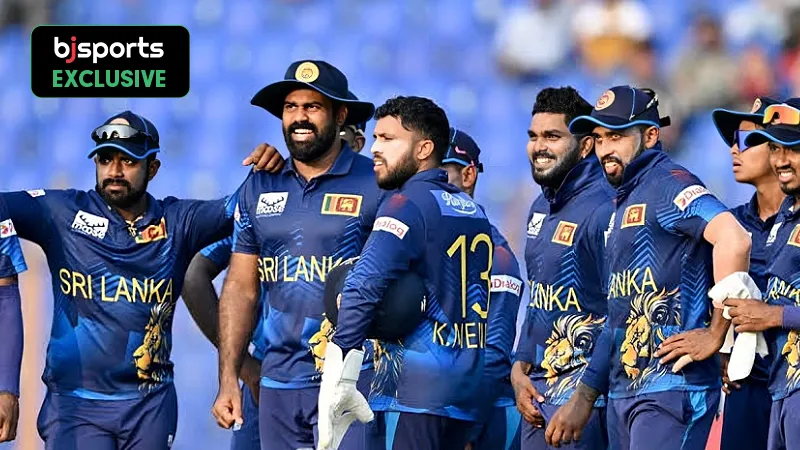 Predicted Playing XI of Sri Lanka in 2nd T20I against England
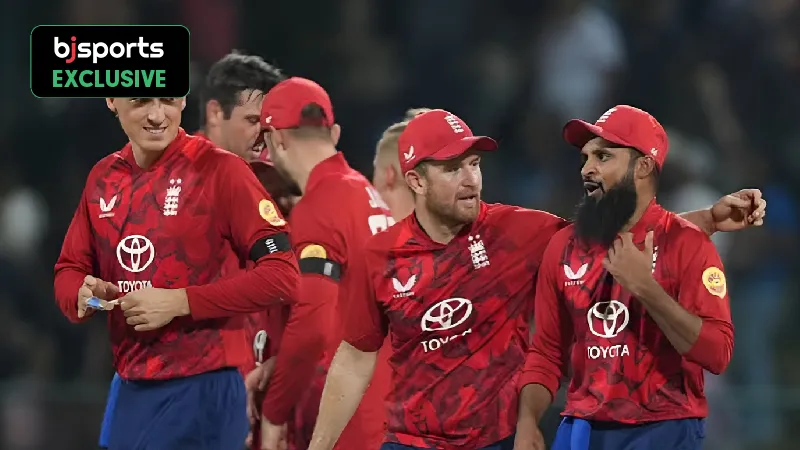 Predicted Playing XI of England in 2nd T20I against Sri Lanka
 Top 3 player battles to watch out for in Match 35 of CPL 2026 between Barbados Tridents and Guyana Amazon Warriors
 Top 3 bowlers to watch out for in Match 35 of CPL 2026 between Barbados Tridents and Guyana Amazon Warriors