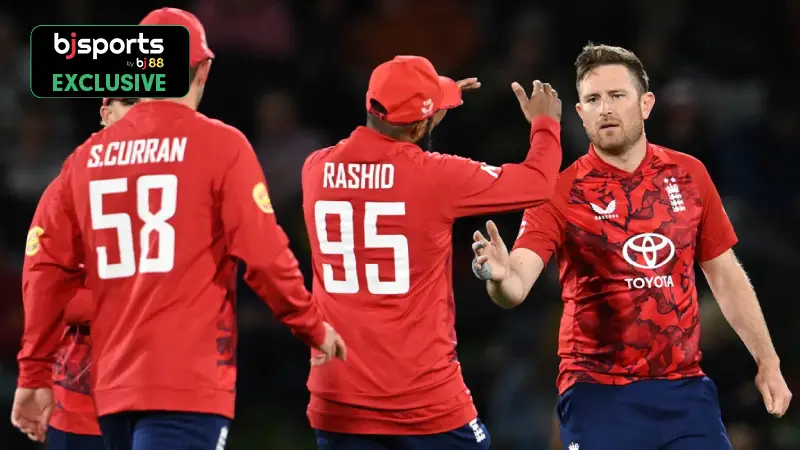
For years, England’s white-ball team has been dismissed as “flat-track bullies”, brilliant on flat pitches, stupid when the pitch turns. But at Christchurch, they put that easy label behind them. On a ground where 170 was once regarded as heroic, England were forced to 236 for 4, the highest ever in a T20I at Hagley Oval, and more importantly, a display of collective intelligence.
But this was more than a team flexing its muscle. This was a masterclass in thinking faster while hitting harder. Harry Brook and Phil Salt transformed what might have been another ego-inflated slogfest into a cerebral demolition of the opposition with the precision of their running combined with their six-hitting courtesy of the breeze. It may be the case that in this time of advertising their “intent” as a hallmark, England has not so much found their soul as discovered it again. It occurs in a cooperative effort devoid of testosterone.
Smarts Behind the Smashes
It is easy to be impressed by 236 off brute force. Ten sixes, a dozen boundaries, Brook hitting five over the roof. But there is a logical framework below the fireworks. England hit 16 twos, 32 runs in all, made profitable by the geometry of the game, not the brute force of the players. The wind, the pockets, the New Zealand angles were all getting a measure from the English players as though they were chess players engaged on grass.
Salt’s Selflessness and the Death of the ‘Me’ Era
As Brook started to tear apart the bowling, Phil Salt – on 39 off 21 – could have gone for his own milestone. He is one hundred short of emulating Rohit Sharma and Glenn Maxwell in T20I hundreds. However, he decided to back Brook, who had deserved this moment. Salt said later that the thing that made the difference between whether he or Brook got that hundred was whether Brook got on strike, and he would have made the same decision every single time.
Tactical Genius in the Field: Rashid and Dawson’s Quiet Craft
If the batting was droll, the bowling was surgical. Brydon Carse struck early, but the spinners were the ones exhibiting the evolution of England’s tactics. Four of Adil Rashid’s wickets came from deep catches – not by accident, but design. Brook revealed that they had placed fielders in the ring in anticipation of mishits falling short of the boundary.
Even the spell of Liam Dawson was a test of nous. Bowling to New Zealand’s left-handers on a shorter boundary could appear suicidal, but he angled the ball cleverly to the off side in wide positions to deny them leverage. It worked until the final over of Santner’s blitz spoiled the figures. The message was clear, however: England is no longer improvising; they are engineering victories.
England’s New White-Ball Identity
England’s 236 was more than a statistical aberration – it was a cultural statement. The team, once ridiculed for living by the sword and dying by the sword, proved that they could think by the sword. Plans were made, and plans were put into action for once with some control. No hero syndrome, no cavalier ego, no emotional disintegration. Just synchronised aggression – the type that wins tournaments, is not just moments. As Phil Salt said, “You have to take the ego out of it.” In a T20 era obsessed by individual genius, England’s real genius is in collective humility.
Key Takeaway:
England’s real power lies not in its hitting but in its humility.
FAQs
1. What was special about England’s win at Christchurch?
It showcased a balance of power and intelligence, with England scoring a record 236 through teamwork and tactical precision.
2. How did Harry Brook and Phil Salt contribute differently?
Brook dominated with calculated big-hitting, while Salt selflessly anchored and rotated strike to support him.
3. Why is this performance called “ego-free”?
Because players prioritized team success over personal milestones, reflecting selfless intent in both batting and strategy.
Disclaimer: This Exclusive News is based on the author’s understanding, analysis, and instinct. As you review this information, consider the points mentioned and form your own conclusions.
 Top 3 Performances of Mushtaq Ahmed in International Cricket
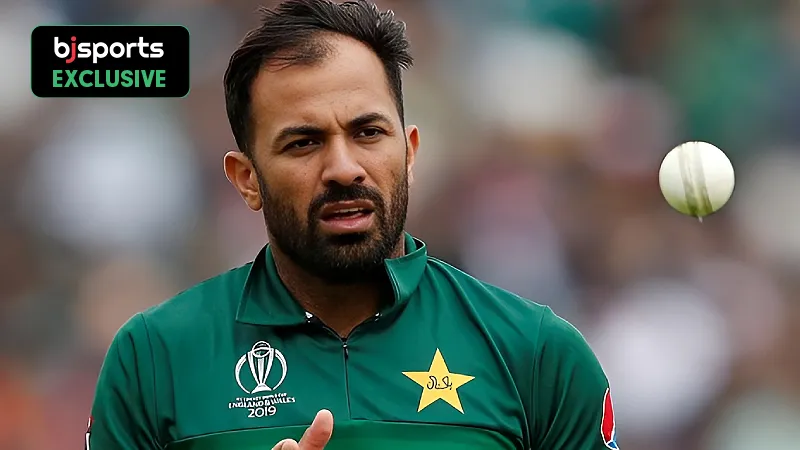 Top 3 Performances of Wahab Riaz in International Cricket
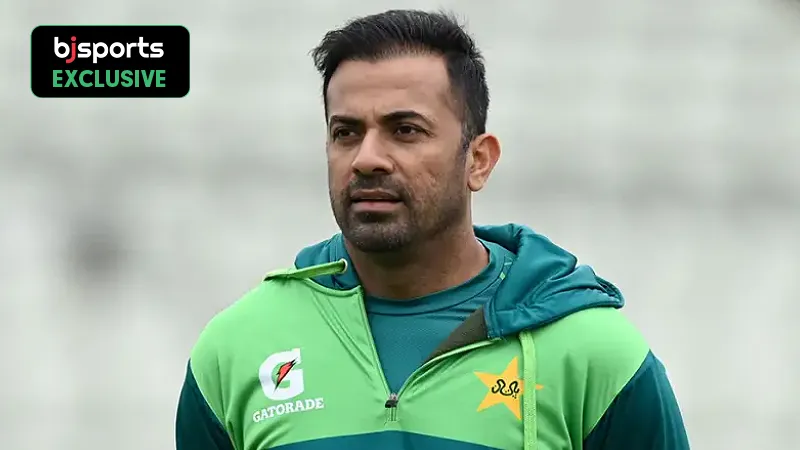 On This Day: Wahab Riaz Was Born
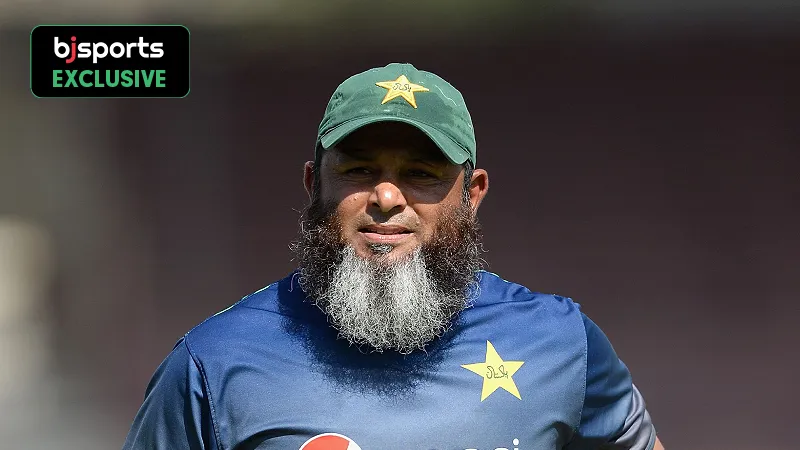 On This Day: Mushtaq Ahmed Was Born