After clinching a solid victory in the opening Test at Headingley, England entered the second Test at Edgbaston with momentum on their side, especially given the absence of India’s pace spearhead, Jasprit Bumrah. However, what unfolded was a complete domination by the visitors as India dominated the hosts with a massive 336-run win, levelling the Anderson-Tendulkar Trophy at 1-1. England’s fortress at Edgbaston was breached in style. Here are three key reasons why England fell apart in the 2nd Test.
Batters’ poor performance
England’s batting unit, barring Harry Brook and Jamie Smith, failed miserably in both innings. The first innings was especially disastrous, with six out of the eleven batters dismissed for ducks, a poor stat for a Test team. While Brook and Smith stitched together a remarkable 303-run stand to keep England in the hunt, the rest of the lineup showed little resistance.
The top and middle order crumbled under the pressure of India’s relentless pace attack led by Mohammed Siraj and Akash Deep. Rather than absorbing the pressure and building their innings with patience, they attempted aggressive shots too early, resulting in their downfall.
Ineffective bowling attack
England’s bowlers failed to deliver breakthroughs when it mattered most. The pace trio of Chris Woakes, Josh Tongue, and Brydon Carse, along with skipper Ben Stokes and spinner Shoaib Bashir, struggled with line and length across both innings. Their inconsistent bowling allowed the Indian batters to settle in and accumulate runs comfortably.
Yashasvi Jaiswal, Shubman Gill, Ravindra Jadeja, KL Rahul, Rishabh Pant capitalised on the loose deliveries and stitched big partnerships that took the game out of England’s reach. The lack of sustained pressure and inability to break partnerships meant India could build a commanding lead with ease.
Bazball backfired
England’s aggressive ‘Bazball’ approach, which worked well in the past, completely misfired in this Test. The batters seemed too eager to dominate the bowlers from the start, opting for flashy strokes rather than patient, defensive techniques.
This played directly into the hands of India’s bowlers, especially Siraj and Deep, who exploited the attacking mindset with tight lines and clever variations. The lack of adaptability in England’s approach proved costly, as the batters failed to adjust to the match situation and pitch conditions.
Disclaimer: This Exclusive News is based on the author’s understanding, analysis, and instinct. As you review this information, consider the points mentioned and form your own conclusions.
For more exclusive updates, visit BJSports to access Exclusive News that is only for you, incisive analysis, and updates, and to keep up with all of the latest information on your favorite remarkable cricket players and teams. To ensure you never miss out, join in on the fun right away!
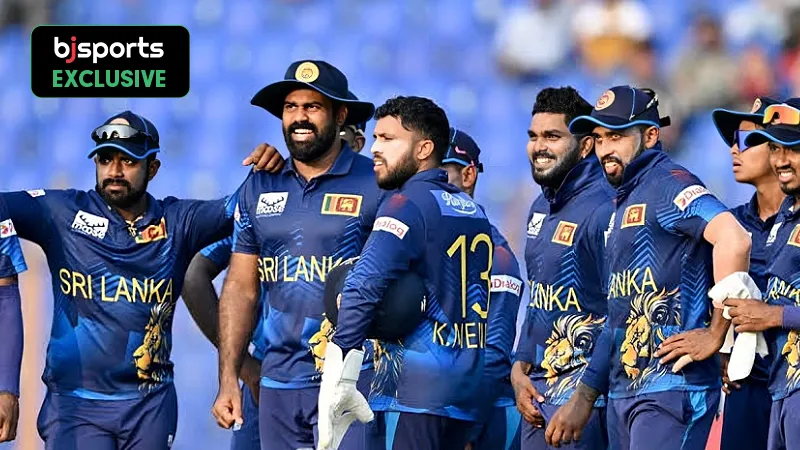 Predicted Playing XI of Sri Lanka in 2nd T20I against England
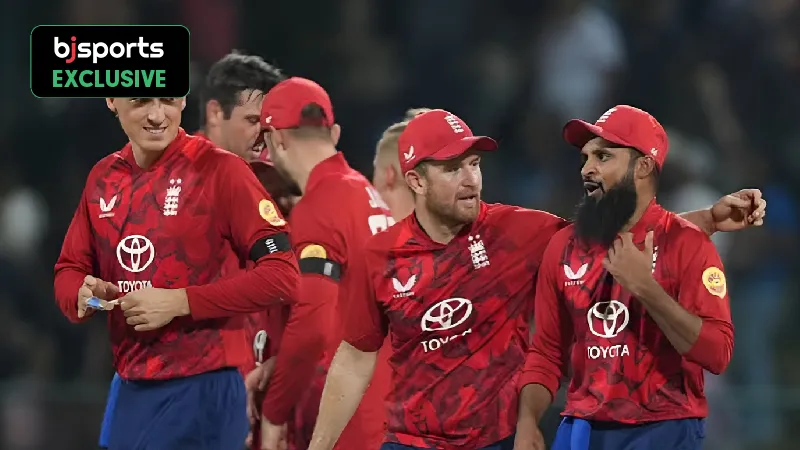 Predicted Playing XI of England in 2nd T20I against Sri Lanka
 Top 3 player battles to watch out for in Match 35 of CPL 2026 between Barbados Tridents and Guyana Amazon Warriors
 Top 3 bowlers to watch out for in Match 35 of CPL 2026 between Barbados Tridents and Guyana Amazon Warriors