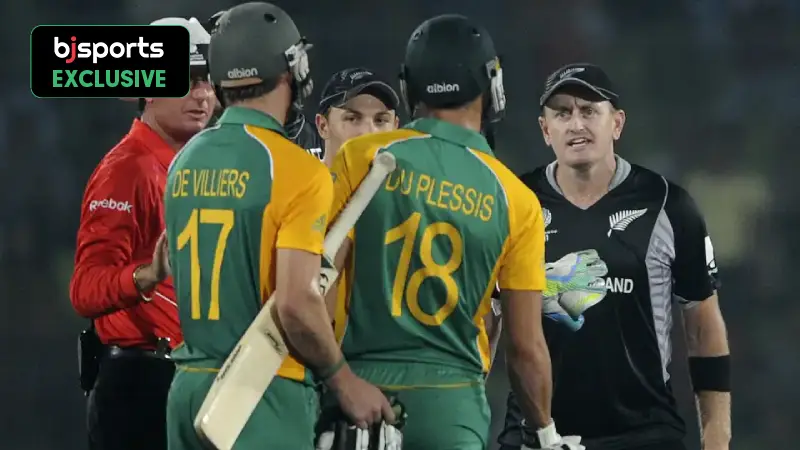
The South Africa team endured one of the most painful defeats in their ICC ODI Cricket World Cup history, crashing out of the tournament after a dramatic quarter-final loss to New Zealand in Mirpur on March 25, 2011. What appeared to be a comfortable chase turned into a stunning collapse, reinforcing South Africa’s long-standing struggles in knockout matches.
Batting first, New Zealand posted a competitive total of 221/8 in their 50 overs. The innings was anchored by a brilliant knock from Jesse Ryder, who scored a composed 83, and a crucial knock from Kane Williamson, who added a steady 38. Despite early pressure from South Africa’s bowlers, including tight spells from Dale Steyn and Morne Morkel, New Zealand managed to put up a fighting total that looked slightly below par on a good batting surface.
In response, South Africa began their chase losing Hashim Amla early. All-rounder Jacques Kallis played a steady innings to keep the scoreboard ticking. At 108/3, South Africa seemed firmly in control, needing just over 100 runs with plenty of wickets in hand.
However, the game took a dramatic turn following Kallis’ wicket, from then the South African side completely lost momentum. What followed was one of the most shocking collapses in World Cup history, as they lost eight wickets for just 64 runs.
New Zealand seized the opportunity with disciplined bowling and sharp fielding as Nathan McCullum and Jacob Oram played key roles in triggering the collapse, while Tim Southee kept the pressure on with crucial breakthroughs. South Africa’s middle and lower order crumbled under pressure, with batters struggling to rotate strike or build partnerships.
Despite being in a winning position for much of the chase, South Africa were eventually bowled out for 172 in 43.2 overs, handing New Zealand a memorable 49-run victory. The defeat marked yet another heartbreaking exit for South Africa in a World Cup knockout match, adding to their reputation for faltering at crucial stages.
For New Zealand, the win was a testament to their resilience and ability to capitalize on key moments. They advanced to the semi-finals, while South Africa were left to reflect on yet another missed opportunity on the world stage. Even years later, this match remains a defining example of how quickly fortunes can change in high-pressure knockout cricket. Kiwi all-rounder Jacob Oram was named Player of the Match for his match winning spell with the ball.
Disclaimer: This Exclusive News is based on the author’s understanding, analysis, and instinct. As you review this information, consider the points mentioned and form your own conclusions.
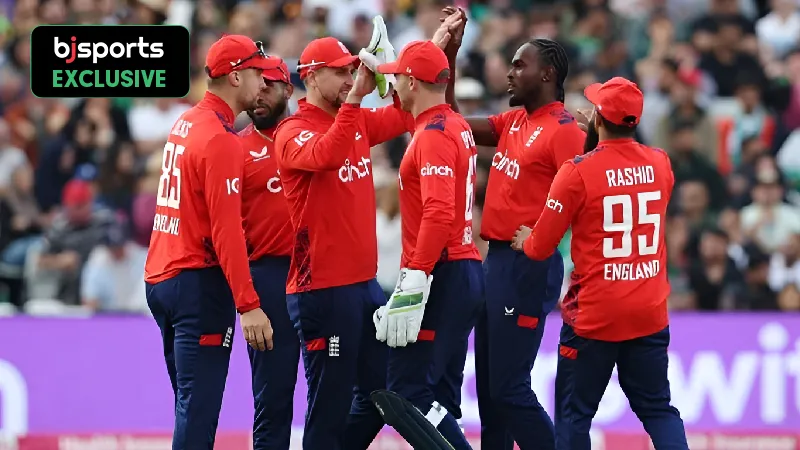 Predicted Playing XI of England in 4th ODI of Tri-Series against Pakistan
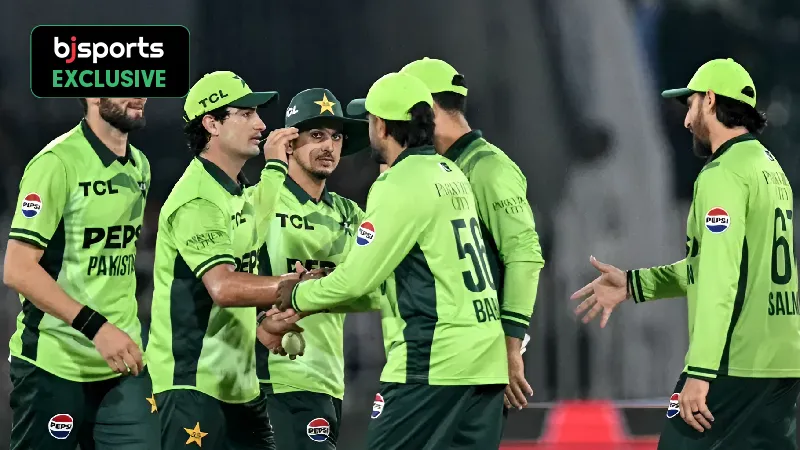 Predicted Playing XI of Pakistan in 4th ODI of Tri-Series against England
 Which Side’s Bowlers Hold the Edge in Easterns vs KZN Inland at Match 47 of CSA T20 Challenge 2026?
 Who Are the Batters Set to Take Charge in Dolphins vs SWD at Match 49 of CSA T20 Challenge 2026?