
We have all had it in life, love, cricket, you name it, “if only” moment. For Ravindra Jadeja, that moment came on a tense Day 5 of the 3rd Test between India and England at Lord’s. Jadeja was a boundary away from pulling off an incredible comeback; after he took a single off the fourth ball, he would expose Jasprit Bumrah to the heat from England’s rapid bowling attack. Former India pacer and 1983 World Cup winner Balwinder Singh Sandhu has said that this was the time that India lost its grip on the game. Honestly, it could be very true.
Was Jadeja’s Calculated Risk Miscalculated?
It is easy to be an armchair critic, but when you are in the moment in battle, it is not necessarily that straightforward. Jadeja had taken India from what seemed to be the depths of 112/8 to almost pulling off a famous win. Instead of protecting the tail, he entrusted Bumrah with two balls to survive, but he could not take Bumrah’s wicket in the end because Bumrah holed out to substitute fielder Sam Cook.
Sandhu, writing in the Mid-Day column, conjectured that Jadeja’s instinct could have also been impacted by having no faith in the last batsman, but realistically, was it? Bumrah had weathered 54 balls for his hard-earned 5 runs, digging in like a stubborn tail-ender with a point to prove. He looked solid and was looking comfortable against Stokes and Wood, defending very well.
Cricket is not just about executing shots; it’s about strategy. Jadeja could have waited for a deliverable ball in the last two balls with the field up and only a few runs to get instead of exposing Bumrah. One boundary would have meant the game is done. It’s possible that for that moment Jadeja did not back himself – or indeed his partner – enough.
Why India Still Fumbles the Key Moments
India’s narrow loss wasn’t only about that one single. The series has been all about India’s inability to nail the big moments. Whether that has been batting collapses, dodgy bowling changes, or timid field placements, India blinked first.
Sandhu identified correctly that India’s downfall was not based on a lack of skill or determination. India fought hard throughout the three Tests and had players such as Kohli with the bat and Siraj with the ball fighting. When it comes to game plans and composure in key moments, England has come out on top.
Selection Headache or Strategic Misfire?
One more angle to this debate is Bumrah’s role itself. Had he even actually been playing that third Test? The pacer missed the second Test, where India cruised to an easy 336-run win, and he was brought back into the side for the third Test to boost the attack. The reality was, Bumrah didn’t look to have any rhythm and had poor figures across the match.
As the fourth Test approaches, India now has a choice: either continue with Bumrah or look after him and rotate to keep the attack fresh. Considering the workload and Bumrah’s inconsistent form, sitting him out, to me, makes good sense. Also, it will allow India to reassess how to operate in tight situations. Let us not forget, this team is still in development, and so this is a process that will not happen overnight.
Disclaimer: This Exclusive News is based on the author’s understanding, analysis, and instinct. As you review this information, consider the points mentioned and form your own conclusions.
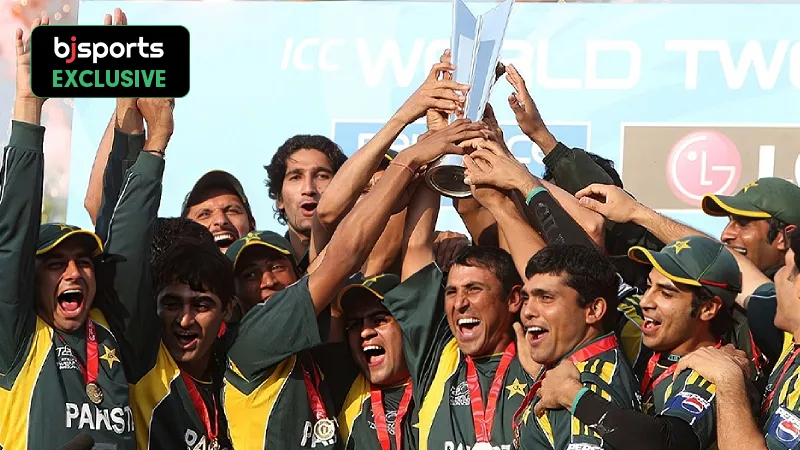 OTD | Pakistan win the World Cup in 2009
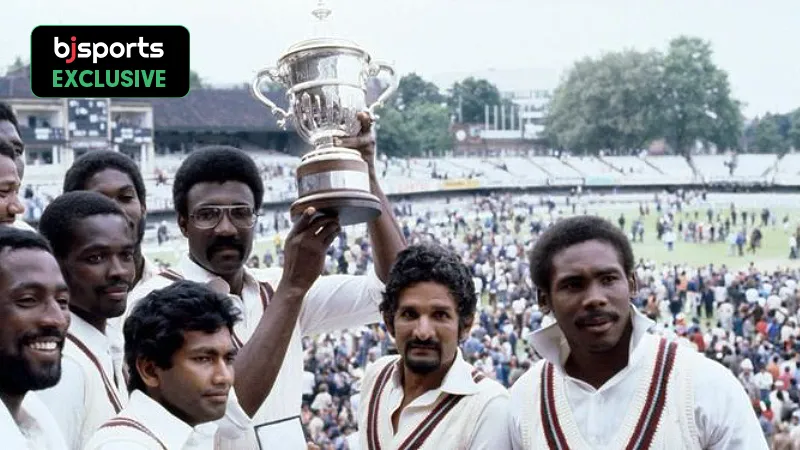 OTD | West Indies win the World Cup in 1975
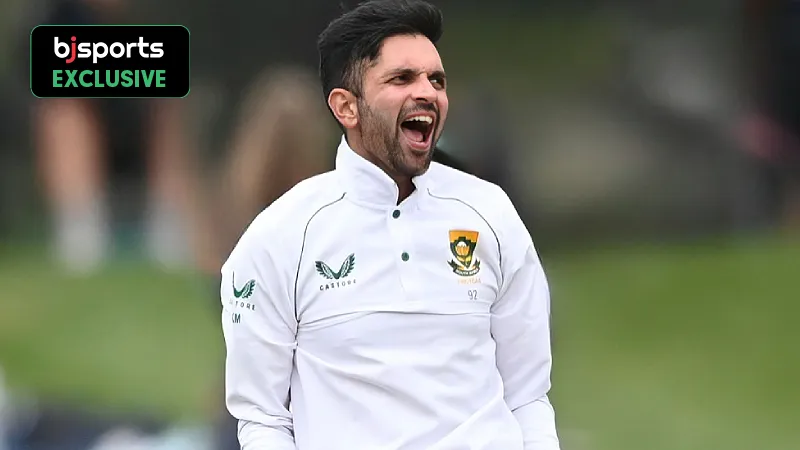 OTD | Keshav Maharaj became only the second South African to take a hat-trick in Test cricket
 OTD: Bangladesh secure their first bilateral ODI series win over India