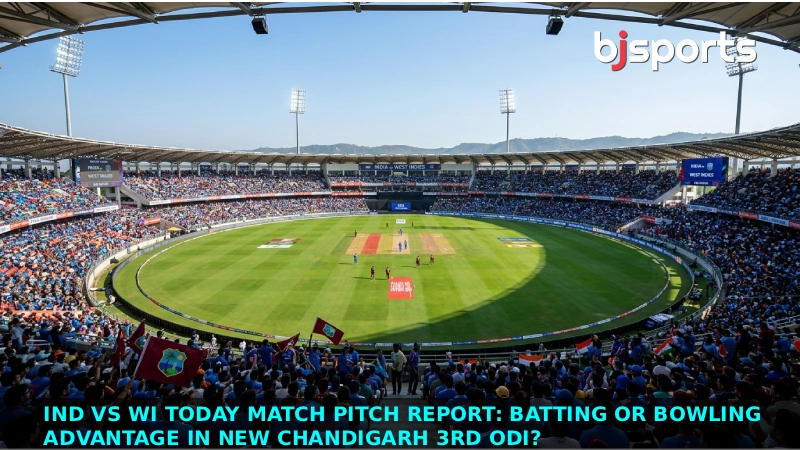
Stop before you assume another 800-run festival. After Guwahati produced over 800 runs in the second ODI and drew criticism from India coach Gautam Gambhir, the third ODI on Saturday, October 3, 2026, moves to New Chandigarh at 2:00 PM IST with a very different surface. Analysts at BJ Sports have tracked how this ground behaves across a full innings, and the short answer is that the pitch changes character in three clear stages. Here are six tips to read it properly.
Tip 1: Respect the New Ball
The surface at the Maharaja Yadavindra Singh International Cricket Stadium rests on a mixed red and black soil base. That combination gives the new ball good carry and extra bounce, so fast bowlers who hit the deck hard can find seam and swing in the opening overs. Both top orders will feel tested, and patience matters more than intent in the first few overs.
The smart approach is simple. Batters who leave well and play late can preserve wickets for the overs that matter most. Expect modest run rates while the ball is new, then a steady climb once the shine fades. Treat the opening ten overs as a bowling opportunity rather than a scoring window, and judge any early total with that in mind. Bowling sides should attack with the new ball and delay the spinners.
Tip 2: Keep a Pitch Cheat Sheet Handy
Numbers beat guesswork, so here is the whole surface in one place. The scoring range below is a projected estimate based on 2026 trends, not a confirmed record for this ground. Bookmark it before the toss.
| Pitch Factor | What to Expect |
| Soil base | Mixed red and black |
| New ball | Seam, swing and extra bounce |
| Middle overs | Some grip and turn for spinners |
| Later overs | True bounce, easier batting |
| Toss lean | Bowl first |
| Dew | Evening dew, slippery ball |
| Projected first-innings range | 270 to 300 (estimate) |
According to data tracked by BJ Sports, conditions here shift noticeably between the new ball and the later overs, which is why a single average never tells the full story. Read each row as a stage of the game rather than a fixed rule, and you will spot momentum swings before the commentators do.
Tip 3: Expect Spin to Matter in the Middle Overs
As the surface wears, spinners can extract some grip and turn through the middle overs. This does not turn the pitch into a minefield. It simply adds a second layer of challenge for batters who arrive expecting only pace, and it punishes anyone who cannot rotate the strike against slower bowlers. Patient accumulation, not big hitting, is the winning method in this phase.
BJ Sports recommends comparing how each side’s spin options have fared against the opposition’s middle order before the toss. A spinner who has dismissed left-handers cheaply deserves extra attention here, because that single matchup can quietly decide the innings. Bowling changes made too late often cost the fielding side momentum. Watch the field settings after the powerplay for clues about how the captains read the surface.
Tip 4: Why the IND vs WI Today Match Pitch Report Points to Late Runs
Once the ball softens, it comes onto the bat consistently, and stroke-makers can play through the line with confidence. High-scoring games have occurred at this venue in shorter formats, and power-hitting is rewarded once batters adjust to the early movement. Anyone still batting after 40 overs will fancy a late surge. The best hitters will wait for their moment instead of forcing the pace.
Even so, this should feel like a contest rather than a run festival. Scoring should accelerate after the powerplay, but the early movement and mid-innings grip stop the surface from becoming a pure belter. Expect the final ten overs to carry the biggest share of the total. A total above the projected range would suggest the pitch played better than expected.
Tip 5: Take the Toss and the Dew Seriously
Captains winning the toss generally prefer to bowl first here. Evening dew can make the ball slippery, and the track settles for batting in the second innings, so chasing looks the sensible plan. A team defending a total will need early wickets, because dew and an easing surface lean toward the chasing side. Batting second also removes the guesswork about the target.
Compare that with Guwahati, where a flat deck left bowlers with little to work with. West Indies posted 405 there, and India still chased it down. The performance metrics on BJ Sports show how sharply those two venues differ, and New Chandigarh asks for adaptability from both sides rather than a simple race to a big number.
Tip 6: Follow Every Ball Without Missing a Moment
Knowing the pitch is only half the fun, so plan how you will watch. India match free live sports streams online on Sports Live Hub give fans a simple route to see the new-ball movement and the late-innings surge as it happens. Keep the scorecard open alongside the stream so the changing conditions make sense in real time. Notice whether the seamers are still finding movement after the first powerplay.
The key insight from the IND vs WI Today Match Pitch Report is a three-stage surface: pace and bounce early, easier batting later, and a clear lean toward chasing. Neither batters nor bowlers should dominate outright, so the side that adapts fastest after the powerplay is likely to control the contest. That makes this 3rd ODI a more even test than the previous high-scoring game.
Stay connected with BJ Sports for team news, toss updates, and post-match breakdowns as India and West Indies decide the series in New Chandigarh. Follow us for live ODI updates all series long.
Frequently Asked Questions (FAQs)
What time does the India vs West Indies 3rd ODI start?
The match starts at 2:00 PM IST on Saturday, October 3, 2026. It takes place at the Maharaja Yadavindra Singh International Cricket Stadium in New Chandigarh.
Does the New Chandigarh pitch favor batting or bowling?
It offers early help to bowlers and easier batting later. Pacers find seam and bounce with the new ball, while stroke-makers score freely once it softens after the powerplay.
What do captains choose after winning the toss in New Chandigarh?
Captains generally choose to bowl first. Evening dew makes the ball slippery, and the surface eases for batting in the second innings, which favors chasing.
Will spinners get help from the New Chandigarh pitch?
Spinners find some grip as the surface wears. That turn arrives mainly through the middle overs rather than in the opening spell, so expect it later.
How many runs were scored in the Guwahati 2nd ODI?
Guwahati produced over 800 runs across both innings. West Indies posted 405, and India chased down the 406-run target in reply.
Disclaimer: This Today’s Trending (Blog) expresses the author’s personal insights and analysis. We encourage readers to consider the points discussed and draw their own conclusions.
 Knights vs Titans Today Match Pitch Report: Is Mangaung Oval a High-Scoring Venue Today?
 India vs Sri Lanka live streaming: How to Watch Asian Games 2026 2nd Semi-Final
 Eastern Storm vs Mpumalanga Rhinos Today Match Pitch Report: Benoni Is No Batting Paradise
 Bangladesh vs Malaysia Today Match Pitch Report: Soggy Nisshin Turf Explained