At Auckland on October 30, 2026, New Zealand reached 259 for 7 across their 20 overs in the fourth T20 International against India. The total represented India’s highest-ever total conceded in T20 cricket, a record that immediately drew scrutiny of the team’s bowling strategy and squad composition for the match.
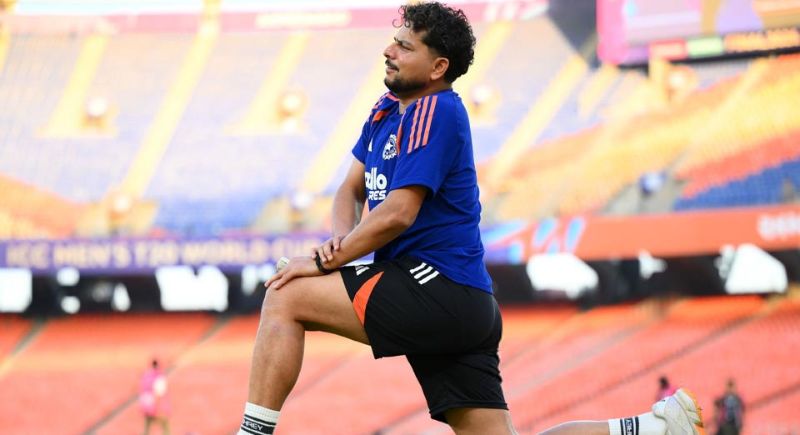
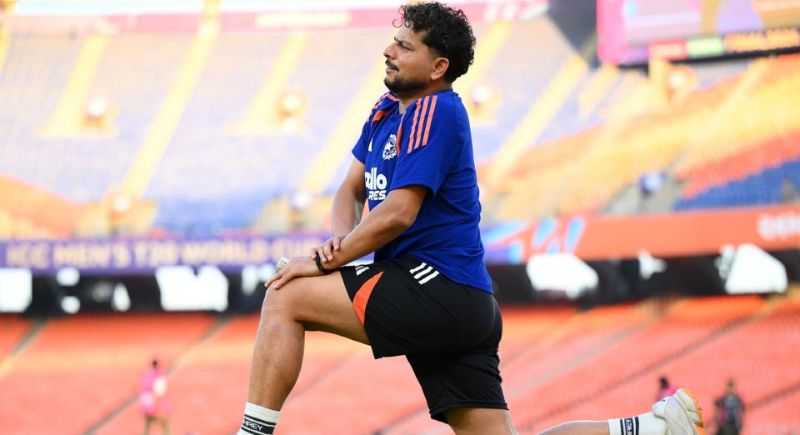
According to Ambati Rayudu, the former India batter, the absence of Kuldeep Yadav from the playing XI was a significant oversight. Rayudu analysed how the venue’s dimensions and India’s bowling strengths had created a mismatch that the left-arm wrist-spinner could have addressed.
“Axar Patel and Naman Dhir bowl fast. But when you want batters to hit to the square boundaries because of the short straight boundary, you have to slow it up. That is where India could have used Kuldeep in this game to slow things up and force the batters to hit to the longer square boundaries,” Rayudu said on Cricbuzz.
Why was Kuldeep Yadav’s absence significant at Auckland?
Kuldeep had not appeared in any match during the New Zealand series before the fourth T20I, despite featuring in two matches during India’s home series against West Indies prior to the tour. His record against in-form New Zealand batter Glenn Phillips underscored his potential value in the series, with the left-arm spinner having dismissed Phillips four times across five innings.
“The Indian bowlers rely on fuller deliveries. So when your strength is bowling full, and the boundary size is small, you know if you miss, it’s going to go big. The strengths of Arshdeep, Prince and Nitish are bowling full. And on this ground, that has been reflected in the final score,” Rayudu said.
 Ian Bishop lauds West Indies’ professionalism after Dhaka Test win despite financial burden
 Perth Scorchers cruise through by 9 wickets at WACA to thump Melbourne Renegades
 West Indies beat Bangladesh by 8 wickets in first Test at Dhaka to lead series 1-0
 Adelaide Strikers open WBBL 2026 account with win over Melbourne Stars