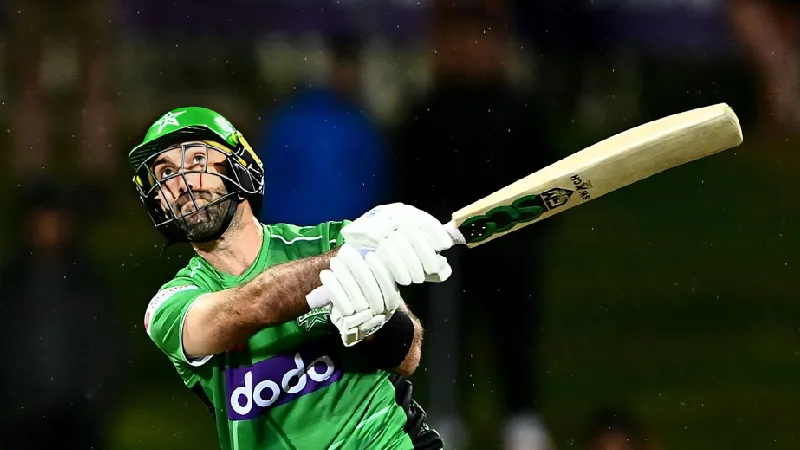
Big Bash batters to benefit from simplified over-rate penalty rule (Source: Steve Bell/Getty Images)
Cricket Australia has announced a significant overhaul of the over-rate penalty system ahead of the upcoming Big Bash League and Women’s Big Bash League seasons. Under the revised rule, once the countdown timer runs out, the batting side immediately receives the benefit of full Powerplay fielding restrictions for every ball that remains in the innings, with the bowling team restricted to just two fielders beyond the circle.
The bowling time allocations stay the same: 84 minutes for the BBL and 78 minutes 45 seconds for the WBBL to complete 20 overs. What changes is the consequence of breaching those limits. The previous framework contained two separate timers and two escalating penalties. The new structure removes the first penalty entirely, so the moment the single countdown expires, the full Powerplay restriction is the only sanction that applies.
As per Cricket.com.au, the rule change was announced on August 31 and takes effect from the start of the upcoming season. Peter Roach, Cricket Australia’s operations and scheduling boss, identified clarity as the driving force behind the decision, noting that the earlier two-penalty arrangement had proved confusing for fans and broadcasters trying to follow the game in real time.
Why did Cricket Australia simplify the over-rate penalty?
Beyond the clarity argument, Cricket Australia observed a tactical problem with the old system. Teams had begun treating the first, lighter penalty as an acceptable cost of doing business, effectively planning to bowl the closing stages with one fewer fielder outside the circle rather than genuinely trying to avoid the sanction. The single-penalty model is designed to remove that calculation by making the consequence immediate and severe from the outset. The policy of relying entirely on in-game penalties, with no post-match fines or points deductions for over-rate breaches, was introduced at the start of last season and will continue unchanged in 2026-27.
“We’re really happy with the in-game penalties, which have been well received by players, coaches and fans. We felt that first penalty wasn’t as strong as what it was initially when it was the only penalty. Teams were probably setting themselves up to bowl with one less outside the circle (for the final over). So we thought we’d simplify it and keep the big penalty at the end. The feedback from the teams was that’s a sizeable penalty and they’d want to get through their overs before that penalty. That’s music to our ears because we want the games to keep moving quickly as we think that’s the best form of cricket we can provide to the fans,” CA Head of Operations Peter Roach said as per Cricket.com.au.
A high-profile moment from the 2024-25 BBL season underlined just how much the penalty can shape a match. Brisbane Heat completed a league-record run chase of 258 at the Gabba after Perth Scorchers failed to complete their overs within the allocated time, with the final four balls of the match bowled under the two-fielder restriction.
What is the practical impact on BBL and WBBL matches?
Any team that exceeds its bowling time allocation now faces the harshest available fielding restriction from the very next delivery, with no intermediate stage to soften the blow. Batters gain a significant advantage in those circumstances, as the outfield opens up considerably when only two fielders are permitted beyond the 30-yard circle.
The same framework, using the WBBL innings timer of 78 minutes 45 seconds, has been extended to the T20 Spring Challenge scheduled for October, broadening the reach of the new rule beyond the two flagship competitions. Cricket Australia’s decision to apply consistent standards across all three events reflects the organisation’s broader aim of keeping the game moving at a pace that suits modern audiences.
Disclaimer: This latest news is based on the author’s understanding, analysis, and instinct. As you review this information, consider the points mentioned and form your own conclusions.
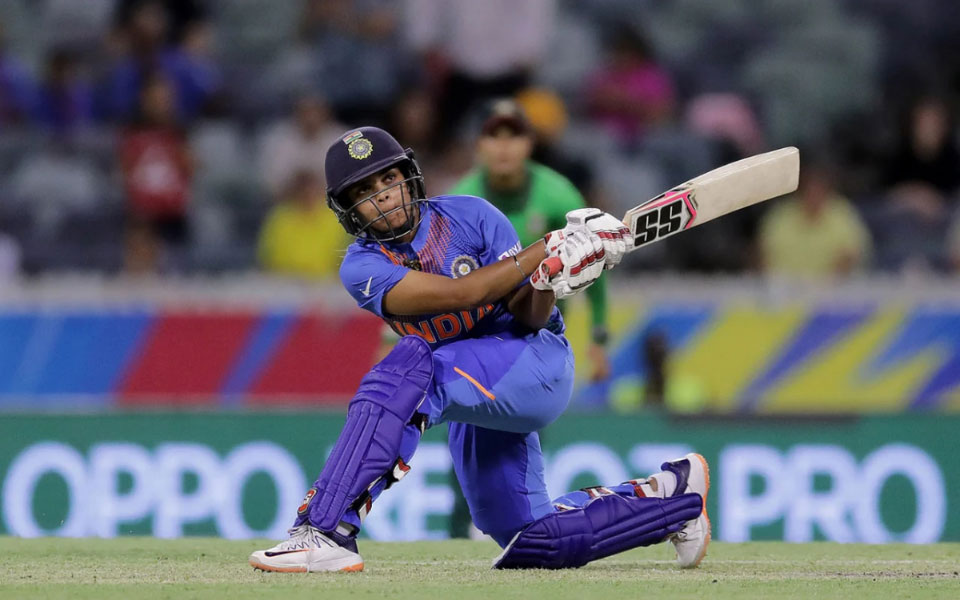 ‘Indian wicketkeepers will be in demand’ – Veda Krishnamurthy ahead of WPL 2027 Auction
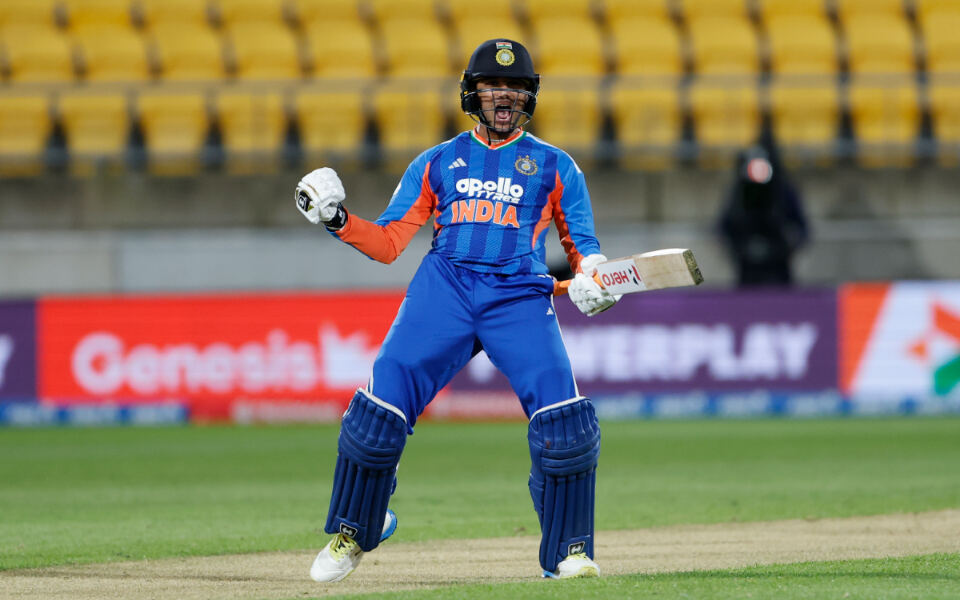 NZ vs IND 3rd T20I, 2026: Full list of records broken and milestones
 WPL 2027: Watch Live WPL Auction in India, Australia, South Africa, UK – TV Channels & Streaming Details for International Fans
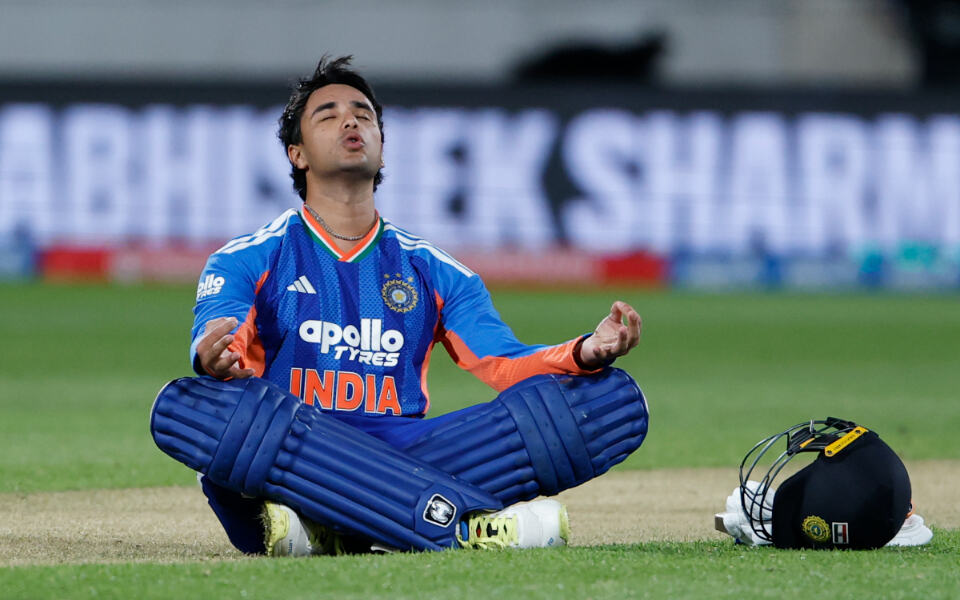 Abhishek Sharma surpasses Virat Kohli’s tally for most T20 centuries by an Indian cricketer