The Board of Control for Cricket in India’s Anti-Corruption and Security Unit (ACSU) has extended its monitoring to cover every match across all state-run T20 leagues for the first time. The move marks a significant shift in how the BCCI polices domestic cricket below the Indian Premier League level.
Until now, thorough ACSU coverage was largely confined to international cricket, the IPL and mainstream domestic fixtures. State T20 tournaments operated with comparatively limited oversight, a gap the board has now moved to close.
The expansion follows a recent incident during the Tamil Nadu Premier League in which a Tamil Nadu cricketer was fined INR 1 lakh by the ACSU and barred from the ongoing tournament after a mobile phone was found in the Players and Match Officials Area. The identity of the player has not been disclosed publicly, and the exact duration of the ban has not been confirmed.
Why has the BCCI moved to extend ACSU coverage across state leagues?
The ACSU has reported a growing pattern of bookmakers and suspicious individuals approaching players, team owners and managers in violation of the code of conduct. This trend across state tournaments appears to have pushed the board toward bringing all such competitions under full surveillance.
BCCI secretary Devajit Saikia has publicly supported the ACSU’s approach of treating even minor missteps as serious threats to the integrity of the game, signalling that the board will not distinguish between small and large breaches when it comes to enforcement.
State T20 leagues carry a documented history of integrity concerns that adds weight to the decision. In 2019, the TNPL was subject to an ACSU probe into suspected communication between bookmakers, players and coaches. That same year, six participants in the Karnataka Premier League, comprising four players, one coach and one team owner, were arrested in a spot-fixing scandal. Those episodes illustrate the vulnerability of state-level competitions and help explain why the BCCI has chosen to act now rather than wait for another serious incident.
What penalties have already been applied for phone violations in 2026?
The TNPL fine is not an isolated case in the current year. Rajasthan Royals team manager Ravinder Singh Bhinder was also fined INR 1 lakh in 2026 for using a phone in the dugout during an IPL match, showing that the ACSU applies the same standard to franchise support staff as it does to players.
Mobile phones in restricted areas such as the Players and Match Officials Area are treated as a code of conduct breach because unauthorised communication during a match is one of the primary methods through which corrupt approaches are made or facilitated.
With the expanded mandate now active, ACSU officers will be present at state T20 fixtures that previously received only limited attention. Players, support staff and team management across all state tournaments will be held to the same rules that govern IPL and international cricket.
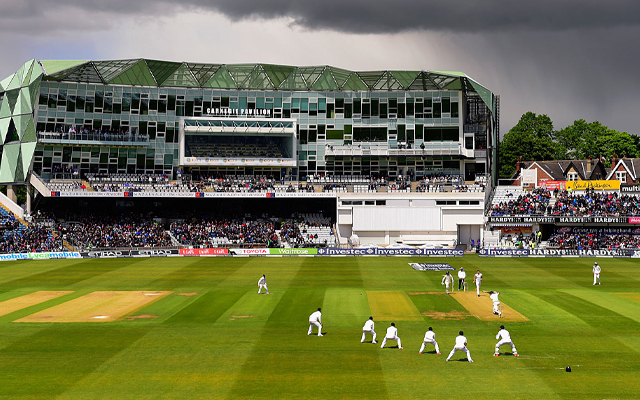 ENG vs PAK 2026: Schedule, Squads, Live Streaming, Broadcasters & All you need to know
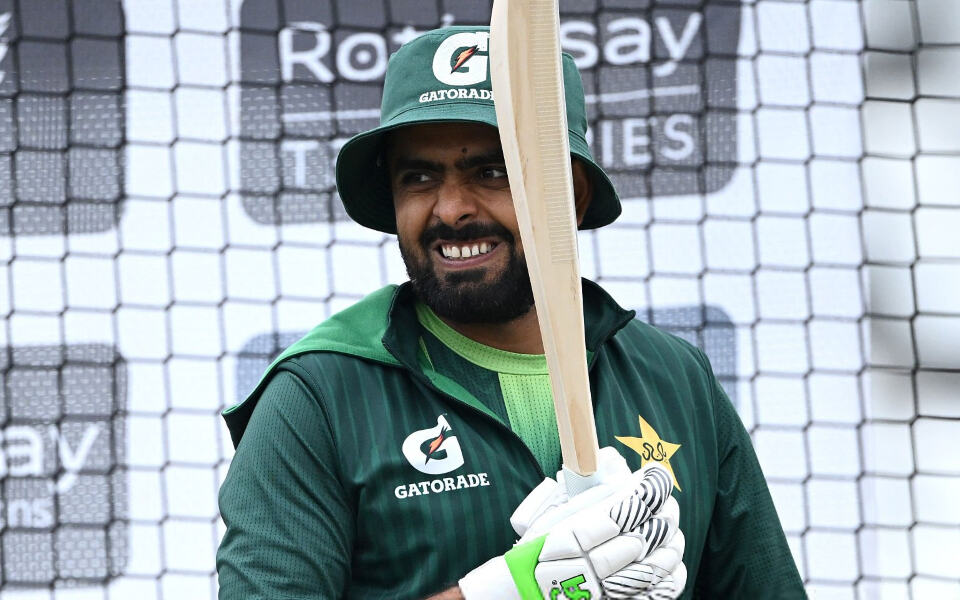 Babar Azam doubtful for Headingley opener as Pakistan defer decision to match day
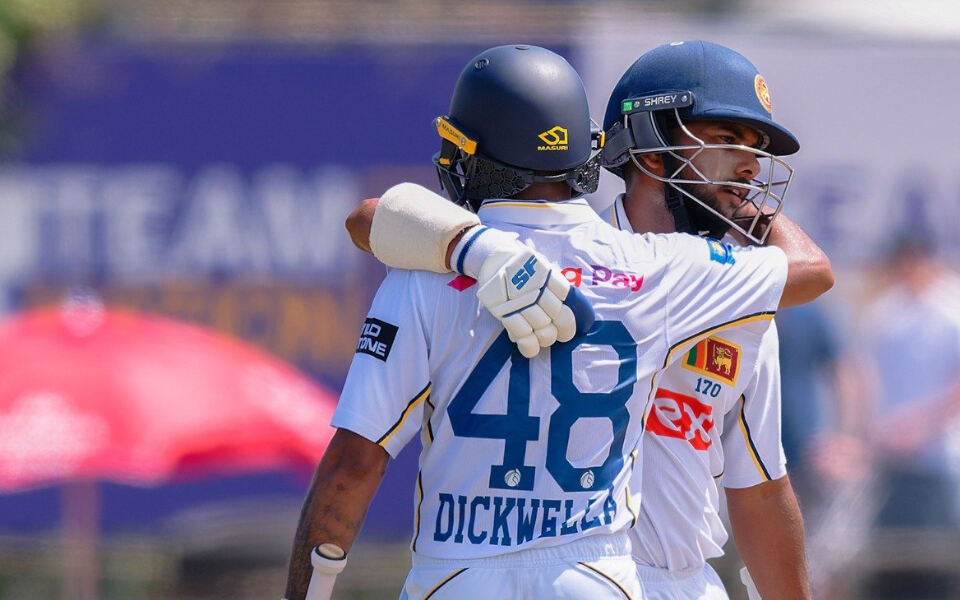 SL vs IND 2026: Sri Lanka vs India Highlights & Review – 1st Test, Day 3
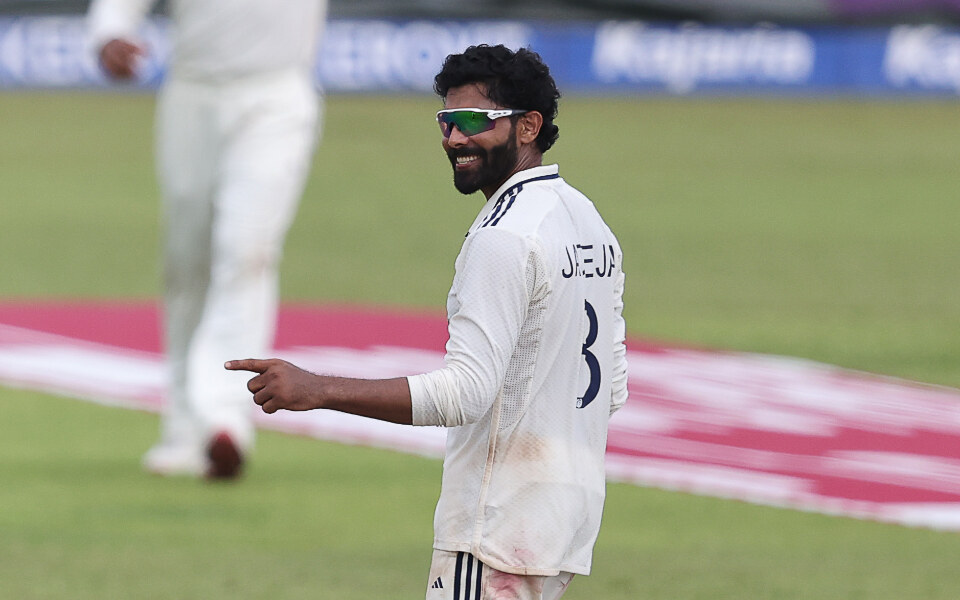 Ravindra Jadeja becomes third left-arm spinner to claim 350 Test wickets