Vaibhav Sooryavanshi. 200 runs. Strike rate of 266.66. Yashasvi Jaiswal. 183 runs. Strike rate of 163.39. Highest score of 77 not out. Ravi Bishnoi. 9 wickets from 4 innings. Jofra Archer. 5 wickets. Best of 2 for 19. Ravindra Jadeja. 31 runs and 3 wickets. Five players. Five separate match-deciding functions across five separate phases. Rajiv Gandhi International Stadium’s flat surface rewards powerplay aggression and transitions toward spin assistance through the middle overs. All five players are specifically suited to the phase that Sunrisers Hyderabad‘s surface profile produces. The team whose key players dominate their designated phase wins tonight.
Sooryavanshi 266 No Bowling Plan Survives
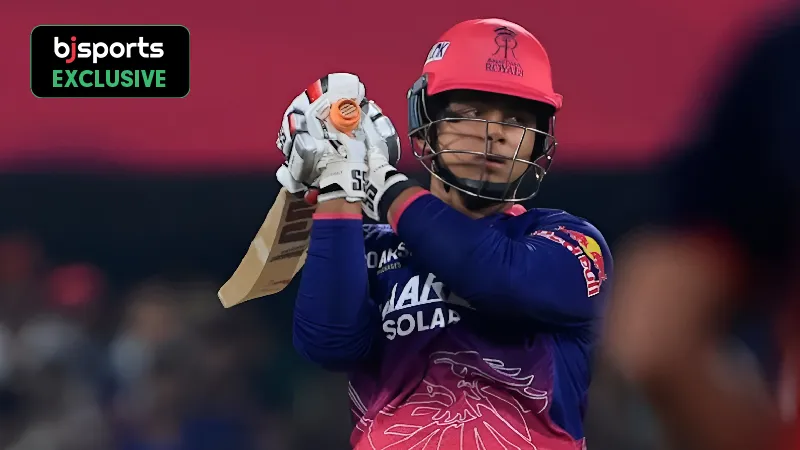
The specific number that defines Vaibhav Sooryavanshi’s threat tonight is 266.66, a strike rate that exists above the level where conventional bowling plans can contain it through length and line alone. Sooryavanshi scoring at 266 means he’s producing boundaries from deliveries that the field placement wasn’t designed to prevent because no captain prepares for a batter attacking at that rate from every delivery.
His 200-run total confirms this isn’t a hot sequence of boundaries from one innings; it’s sustained scoring at an extreme rate across multiple match situations. On Hyderabad’s true bounce surface, where his attacking intent is amplified by consistent pace onto the bat, his first six overs against SRH’s attack define everything that follows.
Jaiswal Structures What Sooryavanshi Destroys First
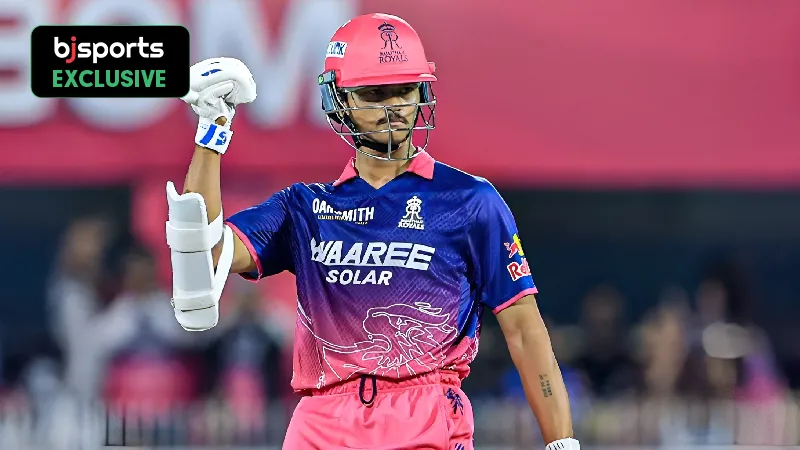
Yashasvi Jaiswal’s 163.39 strike rate across 183 tournament runs provides the specific function that makes Sooryavanshi’s destruction sustainable rather than isolated. An opening partnership where both batters attack at maximum aggression produces the occasional explosive total and the regular collapse when the bowling attack adjusts and finds both batters simultaneously.
Jaiswal’s more structured approach, reading the bowling earlier than most batters, finding gaps rather than boundaries from every delivery, means RR’s powerplay has a building function and an attacking function operating simultaneously.
IPL 2026 Nine Wickets Bishnoi Owns Middles
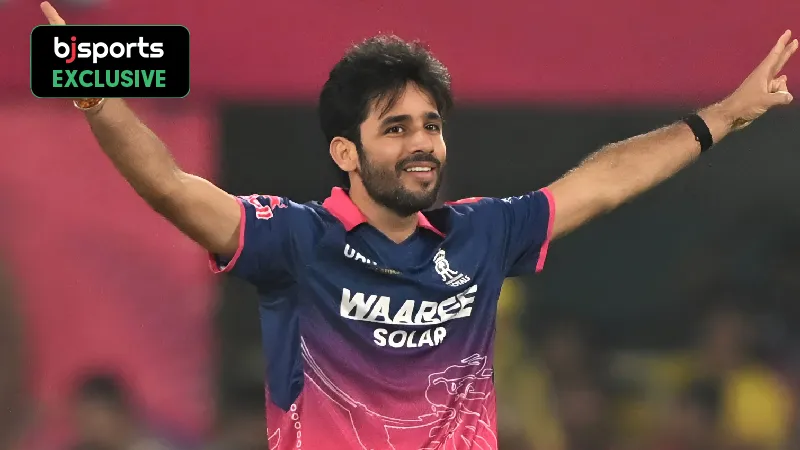
Ravi Bishnoi’s 9 wickets from 4 innings in IPL is the specific statistical profile that confirms his position as the match’s most dangerous bowling asset across the phase where Hyderabad’s surface offers him the most assistance. The flat surface that assists batting in the powerplay transitions to slower, drier conditions through the middle overs, which is specifically when Bishnoi’s leg spin finds the grip and the trajectory variation that produces the false shots that lead to wickets. His wickets arrive when partnerships are building, and the batting team believes they’ve negotiated the most dangerous bowling phase.
Archer’s Pace Covers What Bishnoi Cannot
Jofra Archer’s 5 wickets at a best of 2 for 19 covers the bowling function that Bishnoi’s spin specialisation doesn’t, the pace dimension that prevents SRH’s batting from calibrating entirely against slow bowling in the middle and death overs. On Hyderabad’s true bounce surface, his hard-length deliveries generate the awkward carry that forces top edges and miscues from batters who have settled into timing spin. His specific value in the death overs is the yorker threat that his pace generates at a different level from the medium-pace yorkers that SRH’s aggressive finishers target routinely.
Jadeja Fills Gaps Nobody Else Covers
Ravindra Jadeja’s 31 runs and 3 wickets from a supporting role understates his match value in the specific way that all-round contributions to team balance always understate individual statistical impact. His left arm orthodox spin provides a different trajectory and turn direction from Bishnoi’s leg spin, which means SRH’s middle-order batters cannot transfer their footwork solution against one spinner to the other.
His batting in the lower order provides the depth that allows RR’s top-order batters to play without the cognitive burden of protecting the tail. His fielding removes boundary options that other fielders would concede. None of these contributions shows clearly in one statistical column, but collectively they cover the gaps in the team function that the other four players each leave behind.
- Does Sooryavanshi’s 266 strike rate fire in the powerplay and make RR vs SRH Match 21 an RR total before SRH can respond, or does Bishnoi’s nine-wicket middle-over form reduce SRH’s innings before their own powerplay investment pays off? Drop your prediction and follow for IPL updates.
FAQs
Q1. What is the match time for RR vs SRH IPL 2026 Match 21?
Match timing depends on the official schedule, typically evening slots around 7:30–8:00 PM IST.
Q2. Is Hyderabad a high-scoring venue in IPL?
Yes, it is generally batting-friendly with totals often crossing 170–180.
Q3. Does toss matter at this venue?
Yes, teams often prefer chasing due to consistent pitch behavior and dew factor in night games.
Disclaimer: This Exclusive News is based on the author’s understanding, analysis, and instinct. As you review this information, consider the points mentioned and form your own conclusions.
 Which Bowlers Will Control the Middle Overs in Limpopo vs Border CSA T20 Challenge 2026?
 Which Player Duel Could Decide Limpopo vs Border, Match 40 of the CSA T20 Challenge 2026?
 Which Side’s Key Players Hold the Edge in SWD vs Warriors, Match 39 of the CSA T20 Challenge 2026?
 3 West Indies Batters Who Could Be a Threat to India in 4th T20I