
South Africa’s campaign in the ICC Men’s T20 World Cup 2026 6tcame crashing down in the semi-final, as the previously unbeaten Proteas were comprehensively outplayed by New Zealand. What had been a flawless run unravelled in a single high-pressure encounter, with the Kiwis dominating across departments to storm into the final.
Led by Mitchell Santner, New Zealand entered the contest as underdogs. South Africa had earlier beaten them convincingly in the group stage in Ahmedabad, particularly exploiting New Zealand’s pace-heavy powerplay strategy. In that match, the Proteas’ top order plundered 83 runs in the first six overs against an all-pace attack.
Santner, however, did his homework. He identified South Africa’s vulnerability against spin in the powerplay and flipped the script in the semi-final. Instead of relying solely on seamers, he introduced off-spin early, a move that changed the complexion of the match.
When Quinton de Kock took strike in the second over, he was greeted by off-spinner Cole McConchie. Off-spinners had enjoyed success throughout the tournament, and South Africa once again fell into that trap. McConchie bowled a shorter-length delivery outside the hitting arc, tempting De Kock into a mistimed shot that was caught at mid-on. It marked the fourth time in the tournament that De Kock had been dismissed by off-spin, a weakness ruthlessly exposed.
The trouble deepened when Ryan Rickelton followed soon after. Attempting to cut a similarly short and wide delivery, he found backward point, leaving South Africa reeling at 12/2. Though they crawled to 48/2 by the end of the powerplay, they had consumed 20 dot balls.
South Africa’s batting strength was their middle-order depth. They were arguably the most dominant middle-overs side in the tournament, but early wickets disrupted that setup. With Aiden Markram and Dewald Brevis at the crease, Santner doubled down on spin, operating left-arm options from both ends.
Rachin Ravindra, though relatively quiet with the bat in the semi-final, made a significant impact with the ball. He varied his pace and lengths intelligently. Markram attempted to break the shackles but holed out to Daryl Mitchell at long-on. Ravindra then teased Brevis with flight, conceding a six before tightening his lines and building pressure.
He later dismissed David Miller with a well-tossed delivery outside off, again finding Mitchell at long-off. The wickets kept tumbling, and when James Neesham removed Brevis, South Africa’s innings was firmly in New Zealand’s grip.
Only Marco Jansen showed resistance, producing a valuable knock to push the total to 169. In response, New Zealand’s openers wasted no time. They attacked from the outset, refusing to allow South Africa’s bowlers to settle. The chase was clinical and relentless, sealing a dominant victory and a deserved place in the final.
Disclaimer: This Exclusive News is based on the author’s understanding, analysis, and instinct. As you review this information, consider the points mentioned and form your own conclusions.
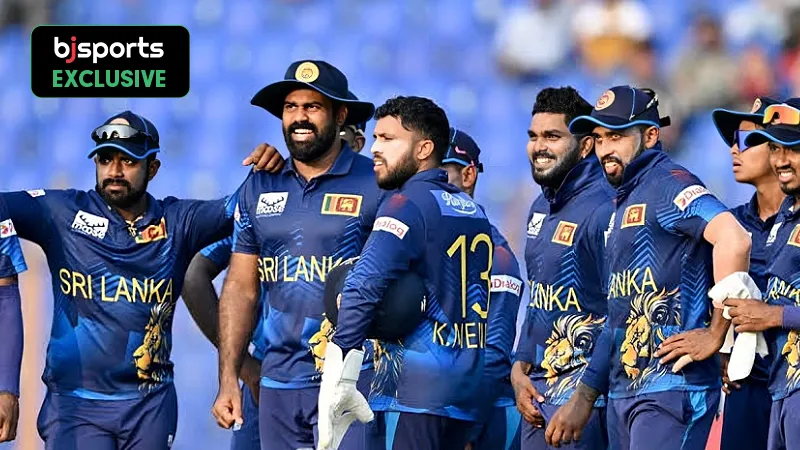 Predicted Playing XI of Sri Lanka in 2nd T20I against England
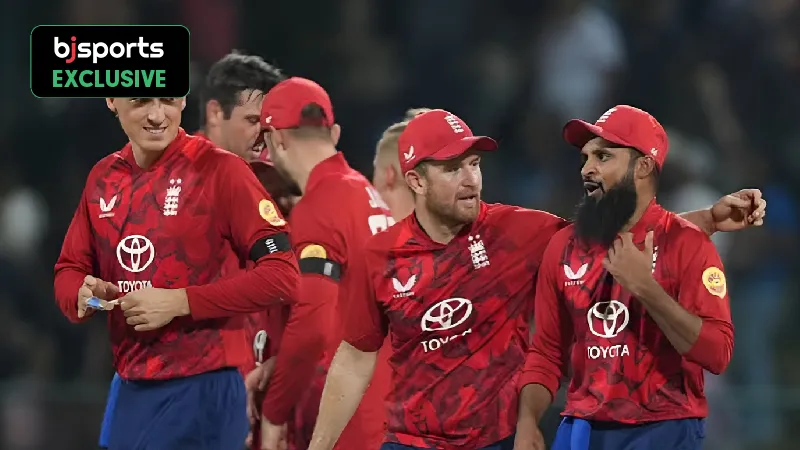 Predicted Playing XI of England in 2nd T20I against Sri Lanka
 Top 3 player battles to watch out for in Match 35 of CPL 2026 between Barbados Tridents and Guyana Amazon Warriors
 Top 3 bowlers to watch out for in Match 35 of CPL 2026 between Barbados Tridents and Guyana Amazon Warriors