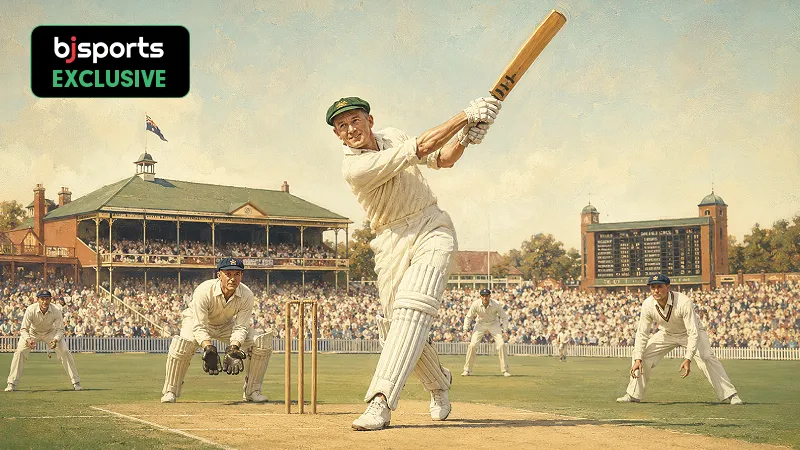
June 15, 1948 marked the beginning of one of the most commanding campaigns in Test cricket history. At Trent Bridge, Don Bradman’s Australia defeated England by eight wickets in the opening Test of the Ashes, providing the first clear indication that this touring side would achieve something extraordinary. By the end of the summer they would complete the tour unbeaten and earn the immortal label of “The Invincibles”, but the foundations were laid in Nottingham.
England entered the series with a formidable batting line-up featuring Len Hutton, Cyril Washbrook, Bill Edrich and Denis Compton. Yet Australia seized control almost immediately. After England chose to bat, Bill Johnston exploited helpful conditions superbly and returned figures of 5 for 36 as the hosts were dismissed for just 165. The score was rescued only by an unlikely counterattack from off-spinner Jim Laker, whose 63 was the highest contribution of the innings. Australia’s bowlers maintained relentless pressure and ensured England never established any meaningful momentum.
Australia’s response was measured rather than spectacular, but it was devastatingly effective. Bradman produced a masterclass in control and judgment, compiling 138 in an innings that demonstrated why he remained the dominant batsman in world cricket even at the age of 39. Alongside him, vice-captain Lindsay Hassett crafted an equally important 137. Their efforts anchored an Australian total of 509 and transformed the match. England’s bowlers were forced into long spells with little reward, while Bradman’s side steadily built a first-innings lead of 344 runs that effectively decided the contest.
To England’s credit, they responded with far greater resolve in the second innings. Denis Compton played one of the finest innings of his career, scoring a magnificent 184. Elegant, attacking and resilient, Compton carried England’s hopes almost single-handedly as wickets fell around him. His innings ensured the hosts reached 441 and at least extended the match into a competitive final phase. Yet the scale of Australia’s earlier advantage meant England were always playing catch-up.
What made the victory even more impressive was the absence of Ray Lindwall from Australia’s bowling attack during England’s second innings. Lindwall, the tourists’ premier fast bowler, suffered an injury and was unable to deliver a single ball in the 183 overs England faced. Many teams would have felt the loss of such a crucial strike weapon. Australia simply adapted. Keith Miller, Johnston and Ernie Toshack shared the responsibility, preventing England from turning recovery into genuine pressure.
Set only 98 for victory, Australia completed the task with minimal fuss. They lost two wickets but never looked troubled, reaching the target comfortably to secure an eight-wicket win. The margin reflected the balance of the match. England had moments of resistance, particularly through Compton, but Australia were superior in every department for the majority of the game.
Looking back, the result stands as more than just a Test victory. It was the opening statement from a side that would dominate the summer and leave an enduring place in cricket history. Bradman’s century, Hassett’s support, Johnston’s incisive bowling and the team’s ability to overcome the loss of Lindwall combined to produce a performance that announced the arrival of one of the greatest teams the game has ever seen.
Disclaimer: This Exclusive News is based on the author’s understanding, analysis, and instinct. As you review this information, consider the points mentioned and form your own conclusions.
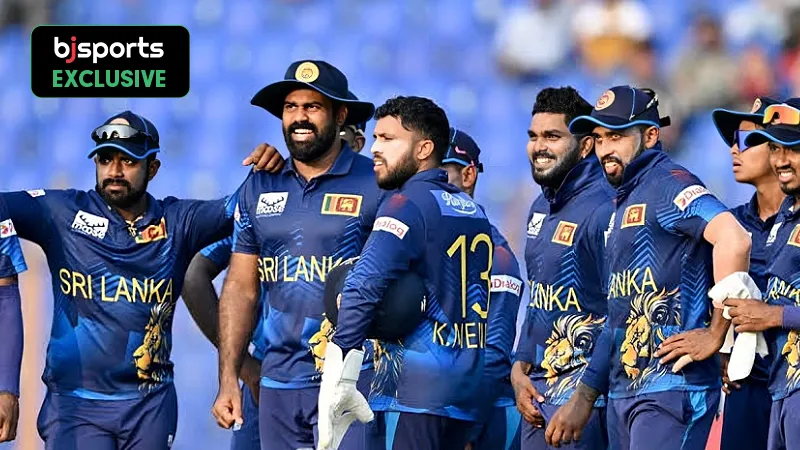 Predicted Playing XI of Sri Lanka in 2nd T20I against England
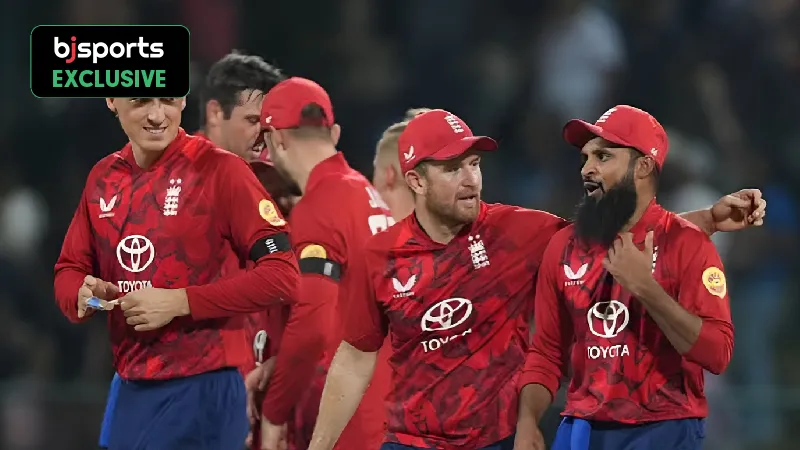 Predicted Playing XI of England in 2nd T20I against Sri Lanka
 Top 3 player battles to watch out for in Match 35 of CPL 2026 between Barbados Tridents and Guyana Amazon Warriors
 Top 3 bowlers to watch out for in Match 35 of CPL 2026 between Barbados Tridents and Guyana Amazon Warriors