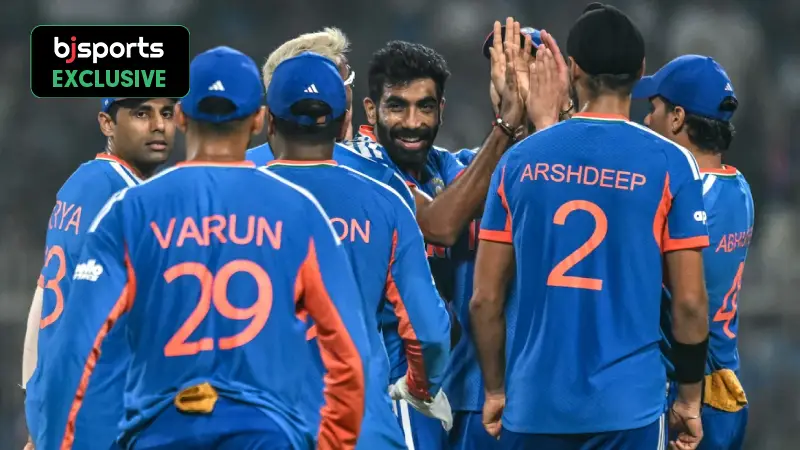
India’s predicted XI for the Wankhede semi-final: Abhishek Sharma, Ishan Kishan, Suryakumar Yadav, Tilak Varma, Rinku Singh, Hardik Pandya, Shivam Dube, Axar Patel, Kuldeep Yadav, Jasprit Bumrah, Arshdeep Singh.
Two left-handed openers, a middle order built around flexibility, two seam bowling all-rounders, one wrist spinner, and a pace attack led by the best death bowler in the world. On a Wankhede surface that historically produces scores above 180, this combination is built for one outcome: post a total England cannot chase.
Also read: Why Chakravarthy vs Rashid Will Decide IND vs ENG Semi Final 2, ICC Men’s T20 World Cup 2026
Why Wankhede Suits India’s Attack
The red-soil surface at Wankhede offers genuine carry and bounce for pace bowlers, particularly in the first six overs under lights. Early swing is available before the pitch settles into a true batting surface from around over eight onward. Short square boundaries mean any ball in the hitting zone becomes a boundary risk regardless of fielder placement.
India’s selection accounts for all three factors. Bumrah and Arshdeep exploit the early swing phase with genuine pace and movement. Once the surface flattens, Hardik and Dube provide seam options that take pace off without losing threat. Kuldeep’s wrist spin is not about turning on this surface. It is about trajectory change and pace variation on a ground where batters are timing the ball easily off a hard pitch.
Why the T20 World Cup 2026 Shapes India’s XI
Knockout cricket at this stage of the T20 World Cup 2026 demands a different selection logic from the group stage. Every player needs a defined phase and a defined role. There is no room for a batter who can do two things on average. India’s XI reflects that logic from top to bottom.
Suryakumar Yadav’s tournament strike rate of 187 makes him the most dangerous number three in the competition. His placement game through the 360-degree range exploits Wankhede’s short straight and square boundaries better than any other batter in this squad. If he bats from over five to over fifteen, England’s bowling attack faces its hardest assignment of the tournament.
Axar Patel at eight is the tactical decision that makes this XI work. His 72-ball batting average in T20Is over the last 18 months is 34, which for a number eight is elite. He gives India genuine batting depth without weakening their bowling combination.
How the Opening Pair Sets Tempo
Abhishek Sharma and Ishan Kishan form India’s most aggressive possible powerplay combination. Both are left-handed, which disrupts the lines England’s right-arm pace bowlers have spent the tournament building. Jofra Archer’s default line of fourth stump becomes a full toss to a left-hander on the side. Mark Wood’s angle into the body becomes a half-volley through midwicket.
Abhishek’s powerplay strike rate in this tournament stands at 172. Kishan’s is 158. If both fire in the first six overs, India reach 60-plus before Suryakumar faces a single delivery. England’s bowling plan for overs seven to fifteen then changes entirely because they are defending rather than attacking.
That is the powerplay goal. Get to 60, lose no more than one wicket, and let Suryakumar finish the job.
Why Bumrah Leads India’s Pace Plan
Jasprit Bumrah has 14 wickets in this tournament at an economy of 5.8. No other seamer in the competition has taken more wickets at a lower economy across the semi-final stage. His yorker accuracy under pressure is the single biggest tactical weapon India carries into any knockout match.
England’s lower order struggles against yorkers from a right-arm angle into the stumps. Bumrah’s ability to hit that length consistently across four overs, including the 19th and 20th, gives India a death bowling plan that no side in this tournament has successfully countered. Arshdeep’s left-arm angle from the other end creates a two-pronged death attack that England’s finishers will find genuinely uncomfortable.
If India posts 180 or above, this bowling combination defends it.
Who starts for India in place of Ishan Kishan if he is ruled out before Semi-Final 2, and does Sanju Samson’s form earn him the spot? Drop your pick in the comments and follow for live T20WC 2026 semi-final updates.
FAQs
- What time will the IND vs ENG 2nd semi-final start?
The match starts at IST 07:00 PM on March 5, 2026. - How will the Wankhede pitch impact team selection?
Its batting-friendly nature and early swing encourage pace-heavy XIs with deep batting. - Who could bowl the crucial death overs for India?
Jasprit Bumrah and Arshdeep Singh are the primary death-over specialists.
Disclaimer: This Exclusive News is based on the author’s understanding, analysis, and instinct. As you review this information, consider the points mentioned and form your own conclusions.
 Top 3 Bowlers to Watch Out for in Test Series Between Bangladesh and the West Indies
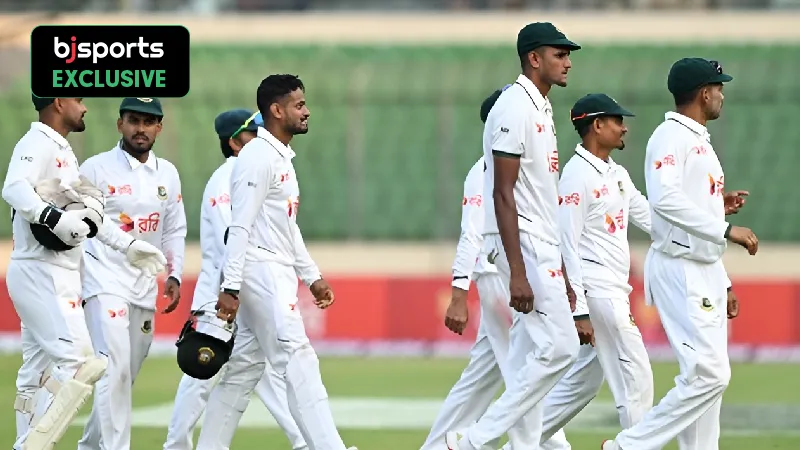 Predicted Playing XI of Bangladesh for First Test Against West Indies
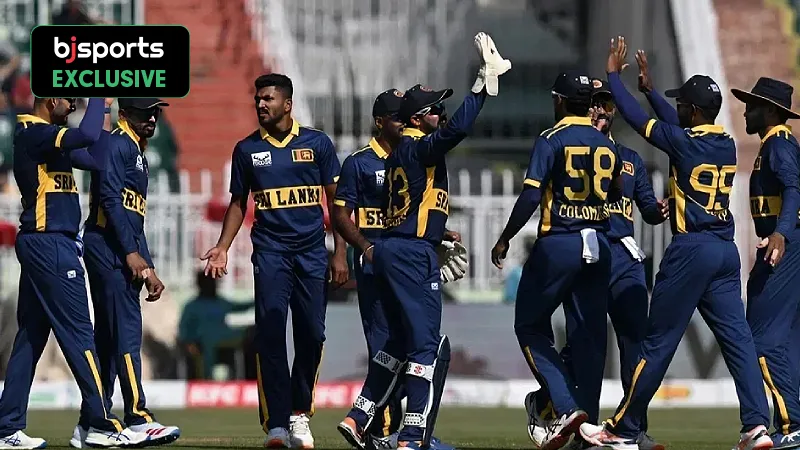 Predicted Playing XI of Sri Lanka in 5th Match of Tri-Series Against Pakistan
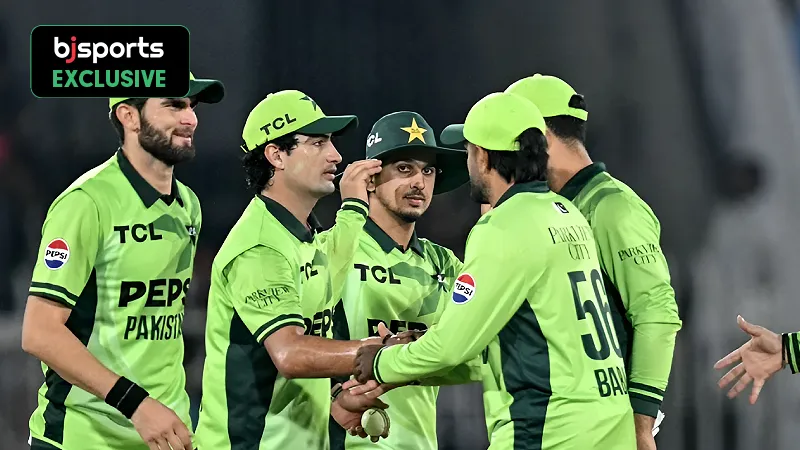 Predicted Playing XI of Pakistan in 5th Match of Tri-Series Against Sri Lanka