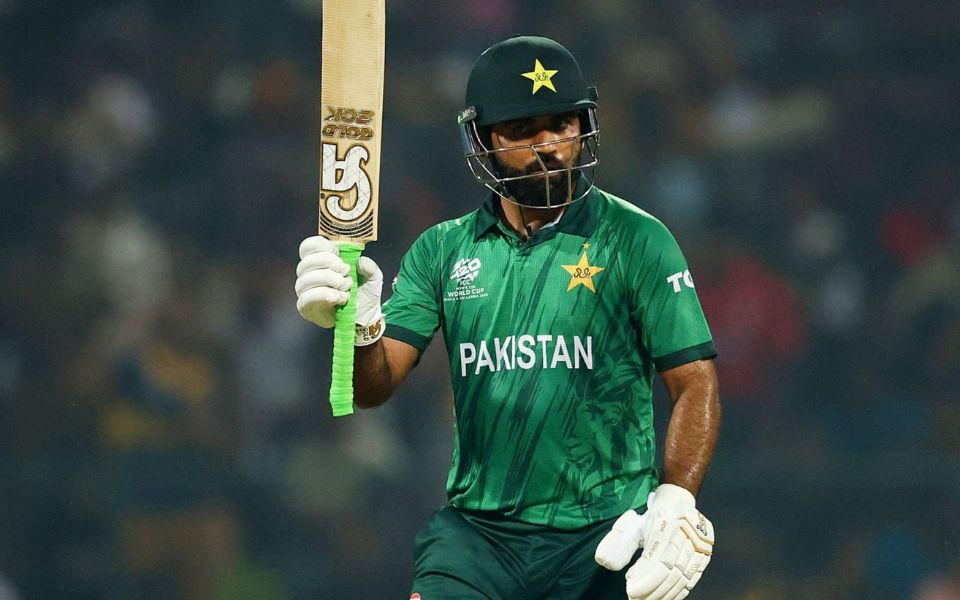

In Lahore on October 31, 2026, Pakistan successfully chased down Sri Lanka’s total of 325 for 8, reaching 331 for 7 in 48.3 overs to secure a three-wicket victory in the One-Day International final. Fakhar Zaman‘s unbeaten 127 off 99 balls proved the cornerstone of the chase, marking his 12th ODI century and earning him the Player of the Match award. The successful pursuit matched India’s record for the highest successful chase in an ODI final.
Pakistan’s opening collapsed when Babar Azam fell for a five-ball duck to Dilshan Madushanka, leaving the team at 14 for 2. Zaman then partnered with Saad Baig in a crucial 149-run stand that transformed the match. Zaman had accumulated only 31 runs across his previous four innings before this final, but his performance at Lahore demonstrated his capacity to deliver when stakes were highest.
“No, look, I’ve played enough cricket now to know that when it’s my day and the ball starts coming nicely off my bat, I’ll score big. So I was just waiting for that moment. I didn’t do anything particularly different from the way I had approached the previous four matches. I prepared for this game in exactly the same way. But that’s the thing: when you score runs, we start talking about how mentally ready you were, how your fitness was and all of that. I prepared for this match in the same way I had prepared for the other games. Luckily, the runs came today,” Zaman was quoted as saying by The Times of India.
How did Fakhar Zaman approach the final after a lean run?
Zaman’s lean run before the final had created pressure, yet he remained assured in his preparation and approach. He acknowledged the unpredictability of cricket and reflected on his pattern in decisive matches.
“Look, the way my first four matches had gone, I felt a good performance was due, and I was putting in the effort. But cricket is such a game that sometimes you’re in really good touch, but the runs just don’t come. Even today, I was struggling a little at the start, but luckily the runs came, and that’s a good thing for me. Whenever there is a final, I seem to score runs,” he added.
Saad Baig‘s role in the partnership proved equally vital to Pakistan’s success. The right-hander registered his maiden ODI half-century with 74 runs, batting with aggression that allowed Zaman the freedom to build his innings methodically. Zaman praised Baig’s contribution and the manner in which he constructed his knock.
“I’ve played domestic cricket with him as well, and he’s a very talented player. Even today, when I was struggling at that stage, he came in and scored quite quickly. That allowed me to relax and take my time. If he had also played slowly like me, perhaps I would have tried to take a few more chances, and if you take those chances, you can end up losing your wicket. So the credit goes to him for the way he started and the way he built his innings. In my opinion, his was the best innings of the match,” Zaman said.
Sri Lanka’s batting was anchored by Kamindu Mendis, who struck his maiden ODI century with 131 runs. Dilshan Madushanka claimed 3 for 63 in Pakistan’s innings. Maheesh Theekshana’s three dropped catches, including when Zaman was on 69 and 106, proved costly in the final stages. Despite Mendis’s strong performance, Sri Lanka’s total fell short as Zaman and Baig guided Pakistan to victory.
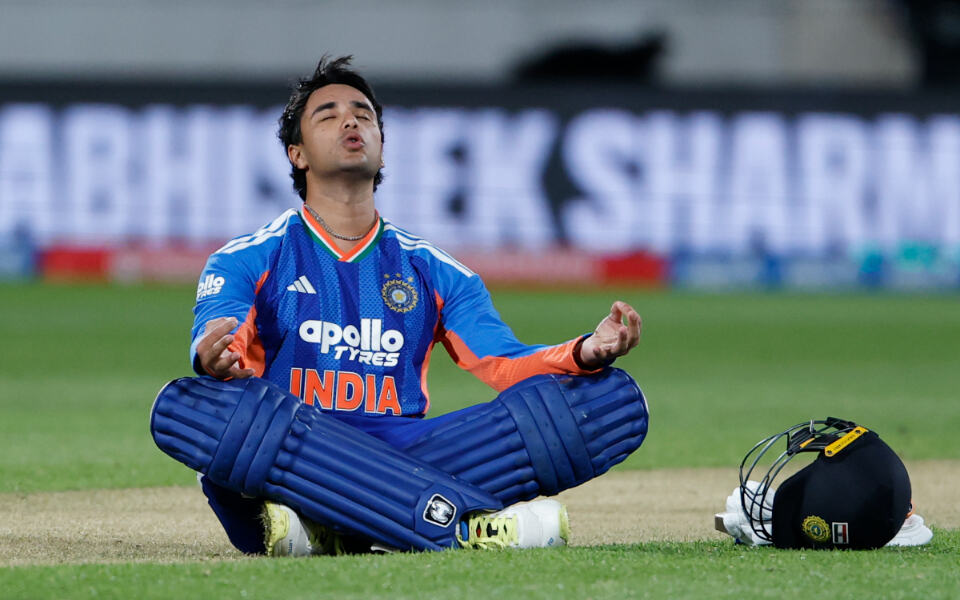 India and New Zealand set all-time T20I run records after blockbuster five-match series
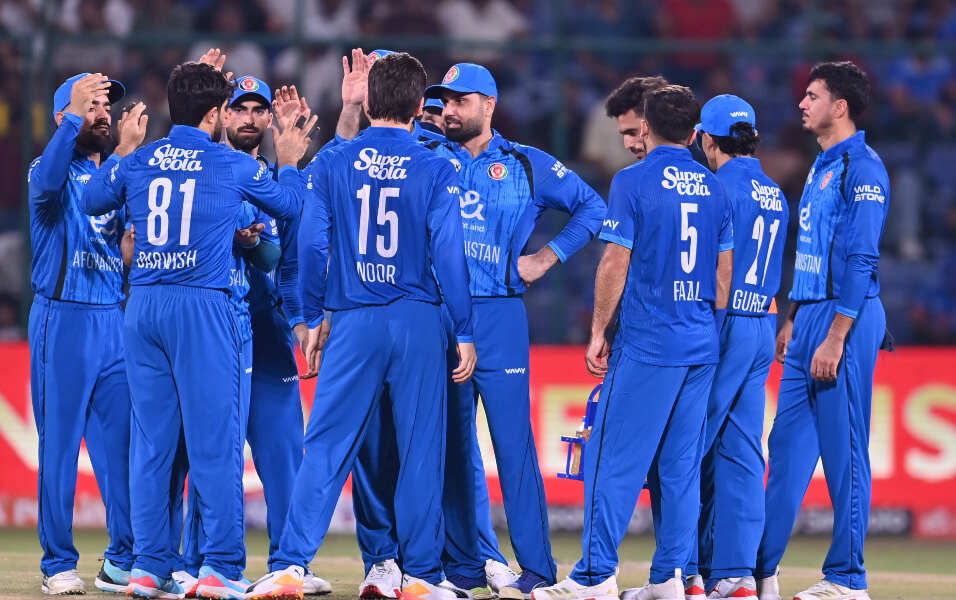 Afghanistan clinch maiden Hong Kong Sixes 2026 title with four-wicket win over Australia
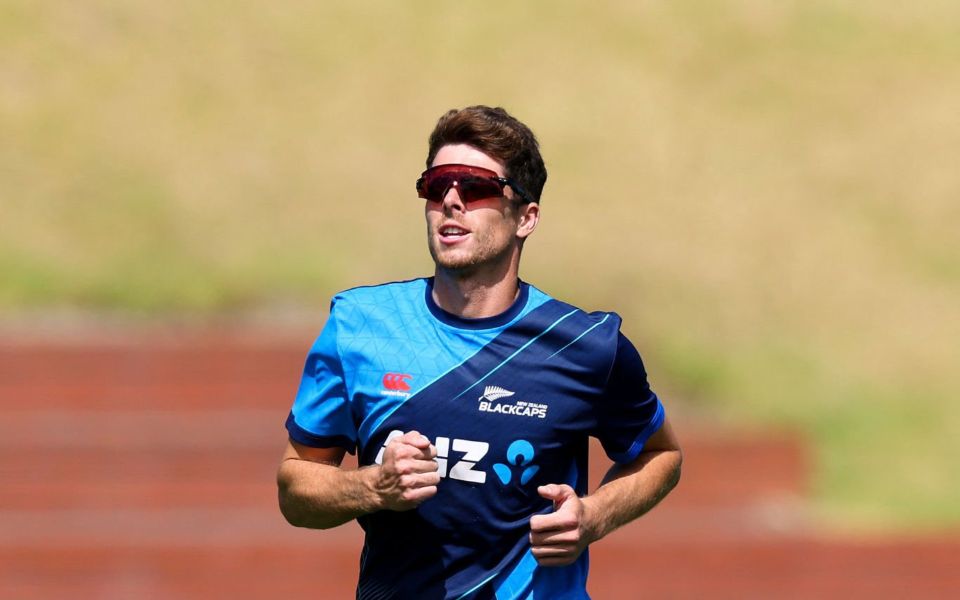 NZ vs IND 2026: Top 3 wicket-takers from five-match T20I series
 Namibia beat Ireland by five wickets in series decider to claim historic ODI series win