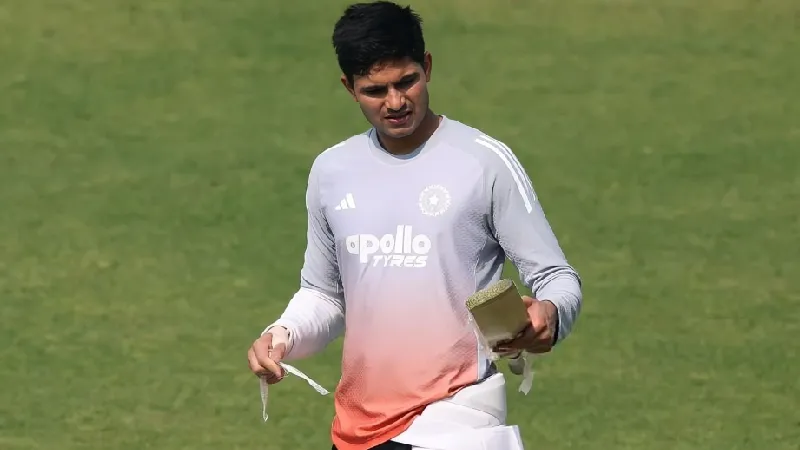
Shubman Gill (Photo by Shubhajit Roy Karmakar/NurPhoto via Getty Images)
The second Test between Sri Lanka and India at the Sinhalese Sports Club in Colombo reached Day 4 on Wednesday, August 26, with India having enforced the follow-on after dismissing Sri Lanka in their first innings. Rain brought an early end to the day’s play with Sri Lanka at 229 for 6, holding a slender lead of 16 runs.
Cheteshwar Pujara, the former India batter, offered his assessment of how captain Shubman Gill managed the team during a critical phase of the match. Pujara examined Gill’s decision-making during the session between lunch and tea, when India faced a particular challenge from Sri Lanka’s batting response.
“If you look at the session between lunch and tea, Shubman was tested as a captain. He went defensive too early. That is where he will have to learn going forward.” Pujara said during a discussion on Sony Sports.
“India were a little shocked with Sri Lanka’s counter-attack. This is where you need to show a little more courage. Encourage your bowlers to still pick up wickets rather than go too defensive,” he added.
Why Pujara felt Gill went defensive too early
Pujara’s criticism centred on Gill’s tactical choices during a specific phase of play when Sri Lanka mounted a strong batting response. The former India batter believed that the captain should have maintained a more aggressive bowling approach rather than shifting to a defensive mindset. Pujara felt this early defensive shift could prove costly against quality opposition in future Test matches.
Pujara expressed confidence that Gill would learn from the experience and refine his captaincy as he continues in the role. The tactical lesson from this session would help shape Gill’s decision-making in high-pressure situations going forward.
How weather influenced India’s follow-on decision
Pujara also shared his take on India’s decision to enforce the follow-on. He explained that the weather conditions played a significant role in the choice. Pujara noted that India’s ground staff would have assessed the rain threat before making the decision to ask Sri Lanka to bat again.
“I am sure they must have spoken to the ground staff. There was some rain around. The main reason of them enforcing the follow-on was the rain. If there wasn’t any rain around, I think India would have preferred to bat. But, because they picked up those wickets, the decision does not seem wrong as of now,” he added.
Disclaimer: This latest news is based on the author’s understanding, analysis, and instinct. As you review this information, consider the points mentioned and form your own conclusions.
 T. Natarajan reunites with SRH as Zeeshan Ansari moves to DC in player trade
 Ranji Trophy 2026-27: Round 1 Review
 Herschelle Gibbs calls for major shake-ups in South Africa’s line-up ahead of 2nd Test against Australia
 India eye Suryansh Shedge for New Zealand ODIs after Australia A heroics