The England and Wales Cricket Board has confirmed it is removing the midnight curfew that governed England’s Test players, stating the restriction will not be in place for the upcoming Test series. The decision follows Joe Root‘s reappointment as Test captain and Stephen Fleming’s arrival as head coach after Brendon McCullum left the role.
The formal curfew had been written into a set of additional player behaviour guidelines that the ECB issued in July 2026. Those guidelines, authorised by ECB Managing Director Rob Key, required players to be back at the team hotel by midnight, prohibited them from being visibly intoxicated in public spaces, and obliged them to notify team management whenever they left the hotel after 10pm.
“We have a Test captain and coach, who are looking at how they set team standards and culture. As part of this, the curfew will no longer be in place. We will ensure all players have a clear understanding of expectations when they come together for the upcoming Test series,” the ECB said as quoted by Sky Sports.
Why has the ECB decided to remove the curfew now?
The ECB’s position is that responsibility for conduct and culture belongs with the captain and head coach rather than with a formal written restriction. Root and Fleming have been given the authority to define what is expected of players, and the board has committed to ensuring every squad member understands those expectations before the series begins.
Root first stepped into the captaincy on an interim basis for the second Test against New Zealand at The Oval on June 16, 2026, after Ben Stokes was dropped following a curfew breach. He was subsequently confirmed as permanent captain alongside Fleming’s appointment, which was reported approximately two weeks before the curfew announcement in August 2026.
What incidents led to the curfew being put in place?
England’s Test environment had been troubled by a run of alcohol-related episodes that stretched back to the Ashes tour in late 2025. During England’s ODI visit to New Zealand ahead of that series, Harry Brook received a £30,000 fine from the ECB after an altercation with a nightclub bouncer.
The situation worsened in June 2026 when Stokes and Gus Atkinson were both left out of the second Test against New Zealand at The Oval after breaking the curfew during a nightclub incident. Both players returned for the third Test, but Stokes announced his retirement from international cricket once that match concluded.
Those events prompted the ECB to formalise its expectations through the written guidelines issued in July 2026. With Root and Fleming now at the helm, the board has judged that a rules-based curfew is no longer the appropriate mechanism and has placed trust in the new leadership to manage player behaviour directly.
 Grass mower runs on Galle pitch within hours of India coaching staff’s inspection
 ‘After a very long time, we are seeing a bowler like that’ – Murali Kartik backs India’s spin successor
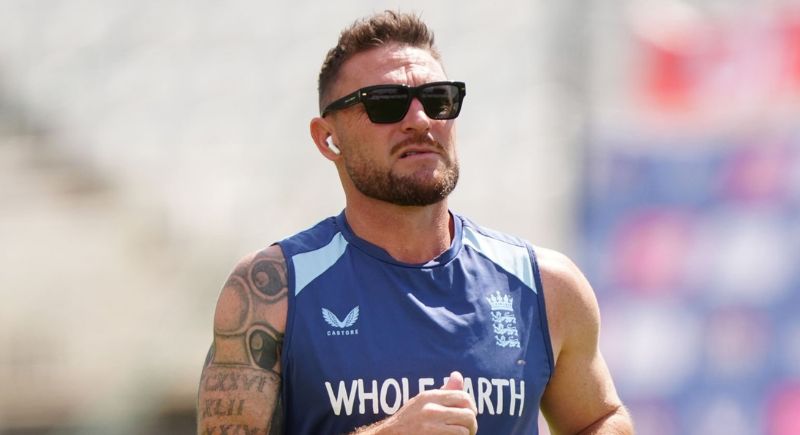 I was gutted when I found out Brendon was no longer going to be the Test coach, says Joe Root
 What changes with Afghanistan hosting India in Delhi? – Explained