Jos Buttler. 116 runs from 3 innings at 156.75 strike rate. Shubman Gill. 109 runs from 2 innings at 151.38, including a 70-run knock. Rishabh Pant. 68 not out, confirming composure under scoreboard pressure. Three batters. Three separate match-deciding functions. Buttler disrupts bowling plans before they’re implemented. Gill constructs the total that the GT’s bowling plan has to defend. Pant dismantles the bowling plan that was working against everyone else. None of them duplicates the other’s function.
Buttler 116 Runs No Bowling Answer
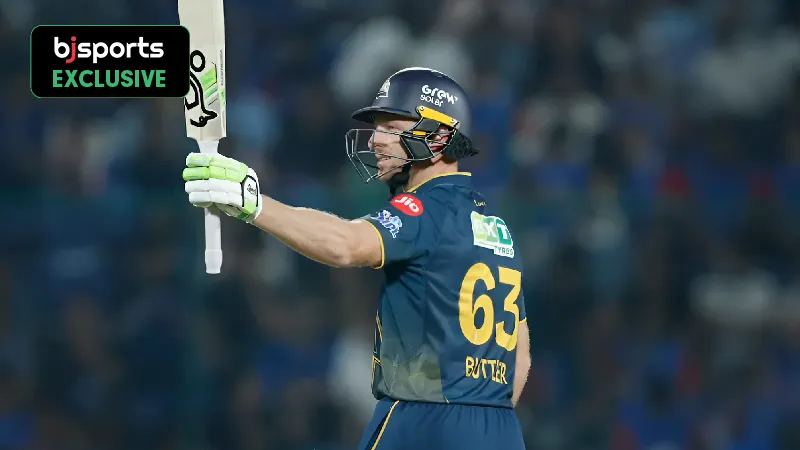
The specific quality that makes Jos Buttler the match’s most immediately dangerous batting asset is what his 156.75 strike rate does to bowling captains before their plan has been implemented. A bowling attack that arrives with a length-based plan targeting the off-stump channel finds that Buttler has already decided where he’s hitting the first delivery before the bowler has loaded up for it. His 116 runs from three innings confirm this isn’t situational hot form, it’s his sustained default level against quality bowling attacks. When he and Gill share the powerplay together, GT’s bowling captain must simultaneously address two completely different threat profiles from adjacent batting positions.
Gill Builds While Buttler Destroys Plans

Shubman Gill’s 151.38 strike rate across two innings is the number that reveals his specific evolution from conventional anchor to accelerating anchor, the batter who constructs innings intelligently while maintaining a scoring rate that prevents the bowling attack from establishing control. His 70-run knock showed the specific quality that makes him most dangerous: he doesn’t just build, he builds at a rate that means every over he faces is producing above-par returns for GT’s total. Against LSG’s bowling combination, his ability to read spin early and attack pace at the right moments creates the specific partnership dynamic with Buttler where neither batter is playing the slow accumulation role that bowling attacks most comfortably contain.
IPL 2026 Pant Defines LSG’s Innings
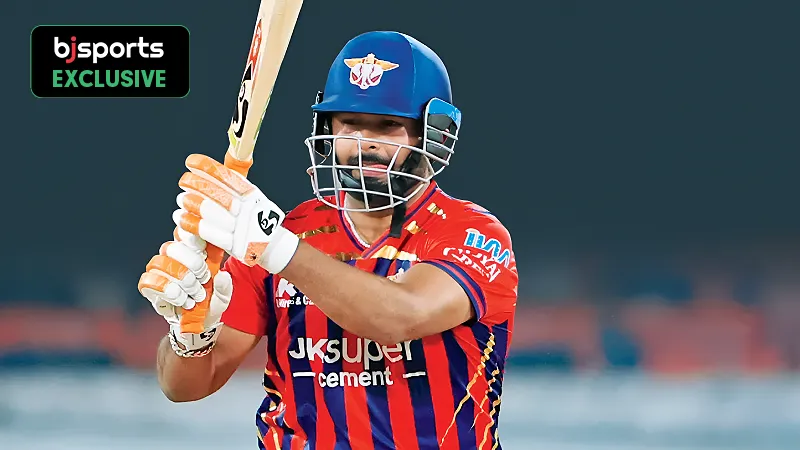
Rishabh Pant’s unbeaten 68 is the specific innings that confirms LSG’s entire batting plan functions through his counterattacking ability rather than around conventional middle-order accumulation. When LSG loses early wickets against GT’s pace options, the scenario that LSG’s middle-order vulnerability most consistently produces, Pant’s arrival changes the match’s psychological environment rather than just adding a quality batter to a difficult situation. His counterattacking instinct doesn’t absorb scoreboard pressure the way conventional anchors do. It inverts it, making the bowling attack feel the pressure of a batter who specifically attacks when the situation tells every other batter to defend.
Three Different Profiles One Decisive Match
The tactical richness of this specific fixture is that all three batters provide different match-winning mechanisms from different phases without any of them duplicating another’s function. Buttler owns the disruption phase, the powerplay window, where his strike rate makes bowling plans theoretical before they’ve been tested. Gill owns the construction phase, the middle overs where his accelerating accumulation converts a powerplay platform into a match-winning total. Pant owns the recovery phase, the middle-order period where his counterattacking instinct converts a difficult situation into a competitive one. All three phases exist in every T20 match. All three have a genuine specialist tonight. The phase that proves most decisive determines which batter’s contribution wins it.
- Does GT’s Buttler and Gill powerplay combination build an unassailable platform before LSG’s bowling finds answers, or does Pant’s counterattacking middle-overs contribution make GT’s total irrelevant before it can be defended? Drop your prediction and follow for IPL updates.
FAQs
Q1: What time does LSG vs GT start?
The match is expected to begin at 4:00 PM (BDT).
Q2: Where can I watch LSG vs GT live?
The match will be available Live Stream on Sports Live Hub (SLH).
Q3: Which batter is most crucial in IPL 2026 Match 19?
Jos Buttler looks the most dangerous due to his explosive strike rate and powerplay impact.
Disclaimer: This Exclusive News is based on the author’s understanding, analysis, and instinct. As you review this information, consider the points mentioned and form your own conclusions.
 Which Bowlers Will Control the Middle Overs in Limpopo vs Border CSA T20 Challenge 2026?
 Which Player Duel Could Decide Limpopo vs Border, Match 40 of the CSA T20 Challenge 2026?
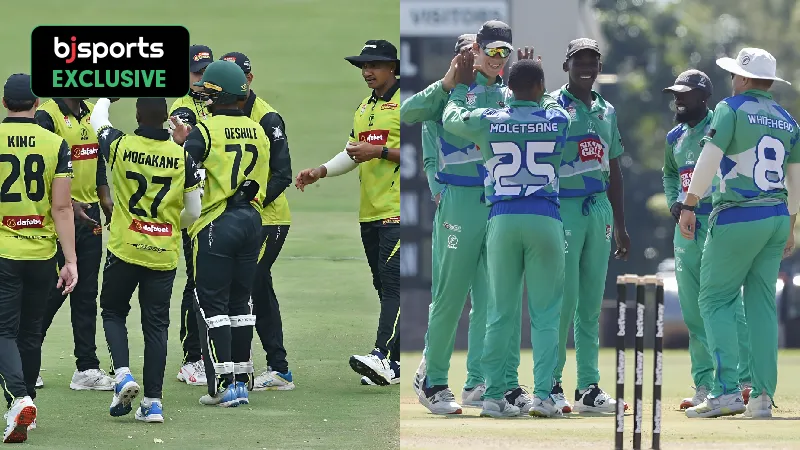 Which Side’s Key Players Hold the Edge in SWD vs Warriors, Match 39 of the CSA T20 Challenge 2026?
 3 West Indies Batters Who Could Be a Threat to India in 4th T20I