Phil Salt and Virat Kohli are giving RCB both powerplay dimensions from the same opening partnership. Devdutt Padikkal, Rajat Patidar, and Tim David are covering the middle-order in sequence. Krunal Pandya and Romario Shepherd are providing six bowling options without weakening the batting to eight. Bhuvneshwar Kumar swinging the new ball, Josh Hazlewood providing disciplined lines on true Wankhede bounce. This XI doesn’t happen through individual selection decisions made independently; it’s a coherent plan for a specific surface, specific opposition, and specific conditions.
Salt Attacks Kohli Constructs RCB Win

The specific dynamic that makes RCB’s opening partnership effective on Wankhede’s true bounce surface is the simultaneous presence of two completely different intent profiles from the same power play. Phil Salt attacking from ball one forces bowling captains into defensive fields inside the first three overs, which opens the scoring zones that Kohli’s placement-based accumulation exploits efficiently. Kohli’s technical precision in negotiating early swing is the specific function that prevents the powerplay collapse that pure aggression at the top occasionally produces. When both functions work simultaneously, Salt creates boundary pressure, Kohli converts that pressure into sustained scoring, and RCB’s six-over total creates the match foundation from which their explosive middle order can operate.
Padikkal Patidar David Cover the Middle

The middle-order architecture RCB has assembled covers three distinct batting functions without duplication. Devdutt Padikkal’s left-hand presence disrupts the bowling angles that right-arm pace bowlers settle into against consecutive right-handers, providing the variety that makes run-scoring more efficient from the same deliveries. Patidar’s anchoring role, building partnerships through calculated accumulation that keeps the innings in shape when wickets fall, provides the structural security that allows Tim David to arrive and attack without the cognitive burden of being the last reliable batter. David’s death overs finishing function, immediate boundary production from ball one without a settling-in phase, is the function this specific batting order is structured to protect and then deploy at the exact moment it produces maximum match value.
IPL 2026 Match 20 Wankhede Shaped RCB’s Selection
Every selection decision in RCB’s XI traces directly to what Wankhede Stadium’s surface demands from both batting and bowling units. The high-scoring nature of the venue, where 180-plus totals are routinely set and chased, means batting depth is non-negotiable. RCB’s XI bats to number eight with genuine contributors rather than genuine tailenders, which means every wicket the bowling attack takes requires another genuine batting contribution to follow rather than producing the collapse that wicket clusters at high-scoring venues usually deliver.
Krunal and Shepherd Complete RCB’s Attack

The tactical intelligence behind playing both Krunal Pandya and Romario Shepherd in the same XI is the six bowling overs their combined allocation covers without requiring either to bowl outside their most effective phase. Krunal’s slow left-arm orthodox in overs eight to fifteen against right-hand-heavy MI batting lineups produces the specific trajectory and spin direction that conventional right-arm spin doesn’t from the same positions. Shepherd’s seam bowling depth and lower-order hitting mean RCB’s batting genuinely extends to eight without the tail-exposure risk that one genuine all-rounder and one bowling specialist creates.
Bhuvneshwar and Hazlewood Own the Powerplay
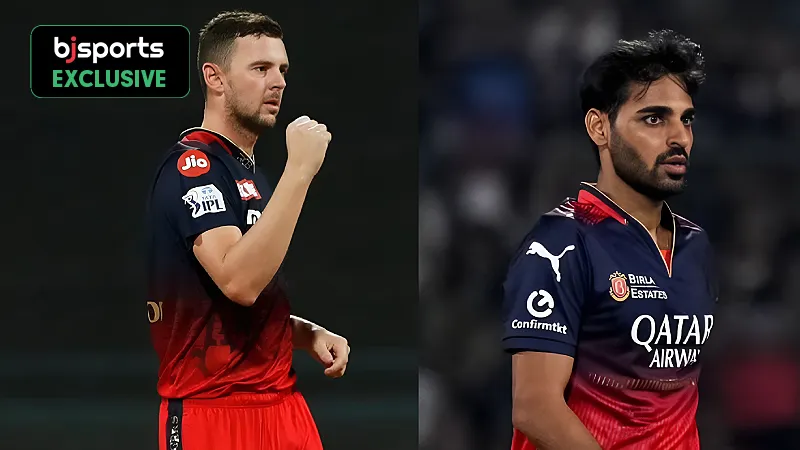
Bhuvneshwar Kumar’s ability to swing the new ball at Wankhede, where the pitch’s true bounce assists outswing movement in the early overs, is the specific bowling quality that makes early wickets achievable rather than aspirational against MI’s aggressive top order. His first over against Rohit Sharma or Ishan Kishan on a surface that assists his swing is the highest-probability wicket-taking moment in the match for RCB’s bowling unit. Hazlewood’s disciplined lines on Wankhede’s true bounce complement Bhuvneshwar’s swing by providing the back of a length option that generates awkward angles after the new ball phase passes.
- Does RCB’s carefully constructed IPL 2026 Match 20 XI at Wankhede produce the balanced performance their selection logic promises, or does MI find the specific gap in a combination that looks complete on paper before the dew arrives? Drop your prediction and follow for IPL updates.
FAQs
What is the expected match time for RCB vs MI?
The match will start at 08:00 PM BDT on April 12, 2026.
How does Wankhede Stadium impact team selection?
It favors batting depth and pace bowling due to high scores and true bounce.
Who could be the key player for RCB in this match?
Virat Kohli’s role at the top is crucial in handling early swing and setting the tone.
Disclaimer: This Exclusive News is based on the author’s understanding, analysis, and instinct. As you review this information, consider the points mentioned and form your own conclusions.
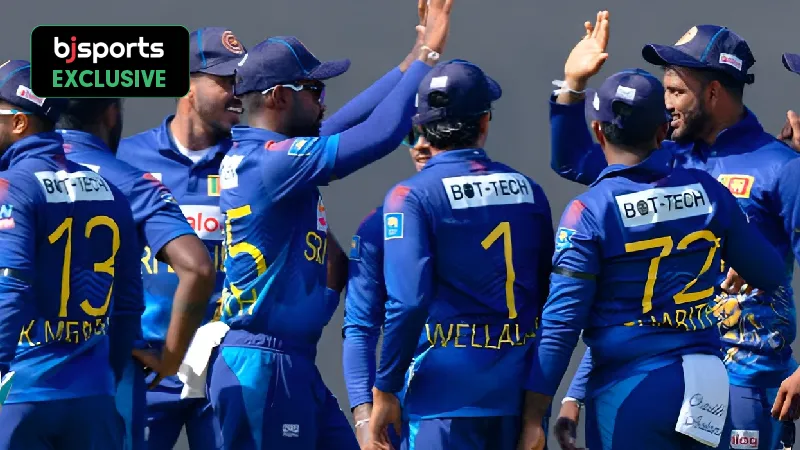 Predicted Playing XI of Sri Lanka in 2nd Semi-Final of Asian Games 2026 against India
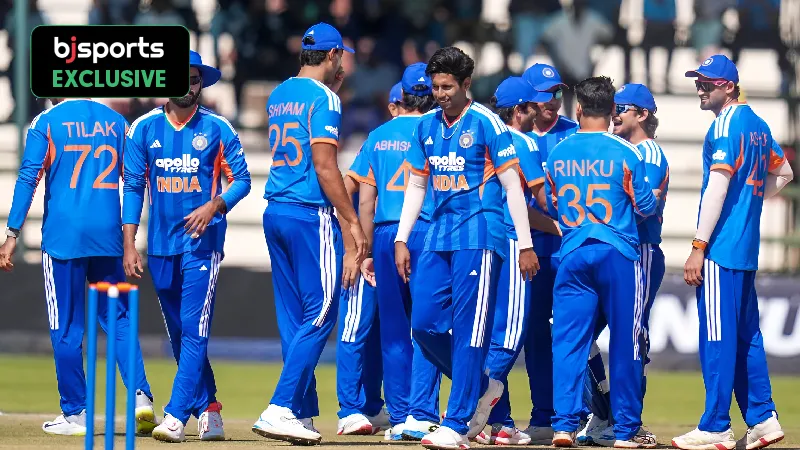 Predicted Playing XI of India in 2nd Semi-Final of Asian Games 2026 against Sri Lanka
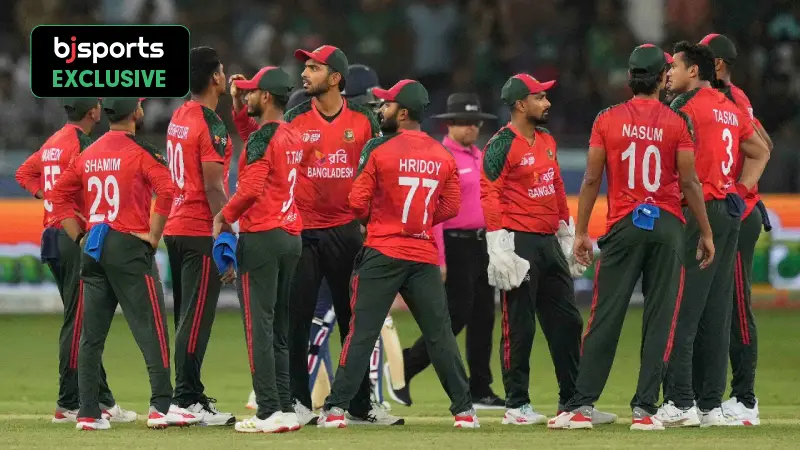 Bangladesh Predicted XI in Quarter-final 4 of Asian Games 2026 vs Malaysia
 Predicted Playing XI of India in Quarter Final 2 of Asian Games 2026 against Afghanistan