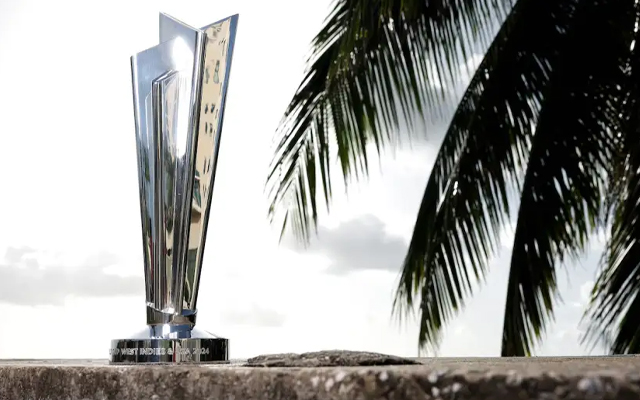
The ICC Men’s T20 World Cup, set to begin on February 7, has often been a tournament where leadership carries as much weight as individual brilliance. With razor-thin margins in the shortest format, captains are required to make rapid tactical calls, manage resources efficiently, and handle pressure moments that can decide matches within a few overs. The 2026 edition will mark a transitional phase for several teams, with a number of sides being led by captains experiencing a T20 World Cup for the first time.
Here are top 5 captains who will lead for the first time in T20 World Cup 2026
5. Suryakumar Yadav (India)
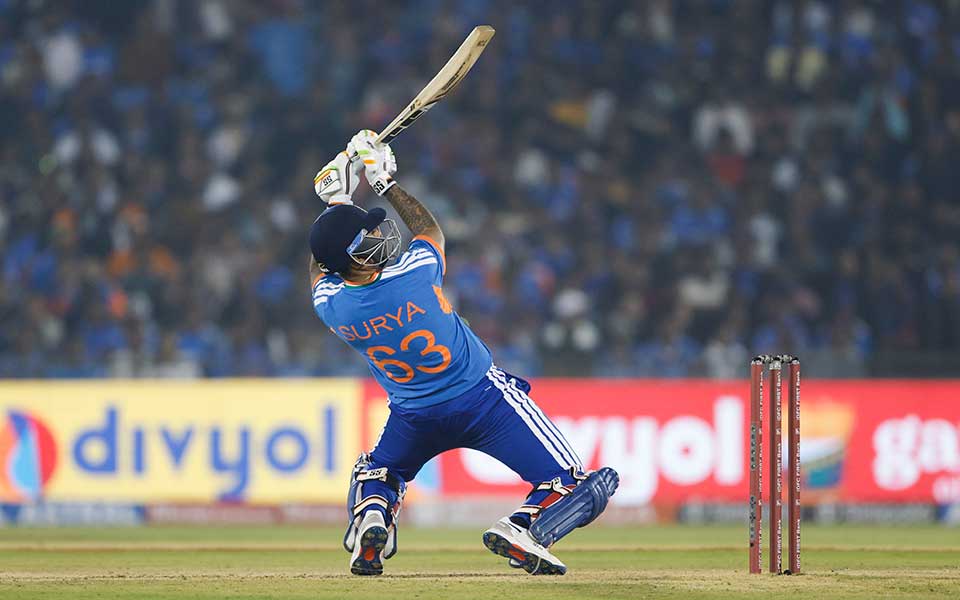
India will be led by Suryakumar Yadav at a T20 World Cup for the first time as the defending champions attempt an unprecedented feat: successfully defending the title and doing so on home soil.
One of the most influential batters in modern T20 cricket, Suryakumar remains central to India’s batting structure. Batting primarily at No. 4, he offers tactical flexibility, capable of stabilising an innings or accelerating from the outset. In 102 T20Is, he has scored 2,959 runs at an average of 36.99 and a strike rate of 165.04.
Any recent concerns over his batting form were addressed during India’s five-match T20I series against New Zealand, where he struck consecutive half-centuries at strike rates above 200. His captaincy record further strengthens his credentials, having remained unbeaten in series results and guiding India through an unbeaten Asia Cup campaign.
The key challenge for Suryakumar will be managing India’s abundance of match-winners in high-pressure knockout games. With resources such as Jasprit Bumrah, Arshdeep Singh, Hardik Pandya, Abhishek Sharma and Varun Chakravarthy at his disposal, resource management will be critical. India will begin the tournament as favourites, but leadership under World Cup scrutiny will define their title defence.
4. Harry Brook (England)
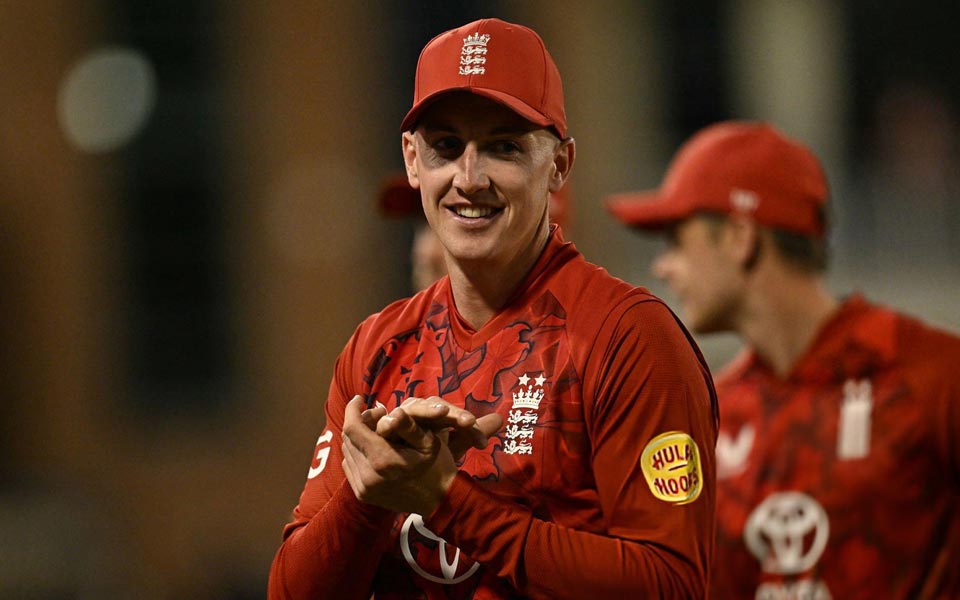
Harry Brook will captain England at a T20 World Cup for the first time, continuing the side’s generational transition in white-ball cricket. Widely regarded as one of England’s premier talents, Brook reflects the team’s commitment to proactive, data-driven cricket built around matchups.
Brook has featured in 52 T20Is, scoring 1,012 runs at an average of 30.67 and a strike rate of 151.73, making him a key middle-order presence. His captaincy challenge will be maintaining England’s aggressive identity while ensuring situational awareness in critical phases. With a squad containing established match-winners, his role will focus heavily on man-management rather than tactical reinvention.
After a modest Ashes campaign, Brook will look to make a strong statement on the global stage. England enter the tournament with balanced resources, including spin options like Adil Rashid and pace spearheaded by Jofra Archer. Brook’s early leadership record of having five wins from eight T20Is provides a promising foundation.
3. Salman Ali Agha (Pakistan)
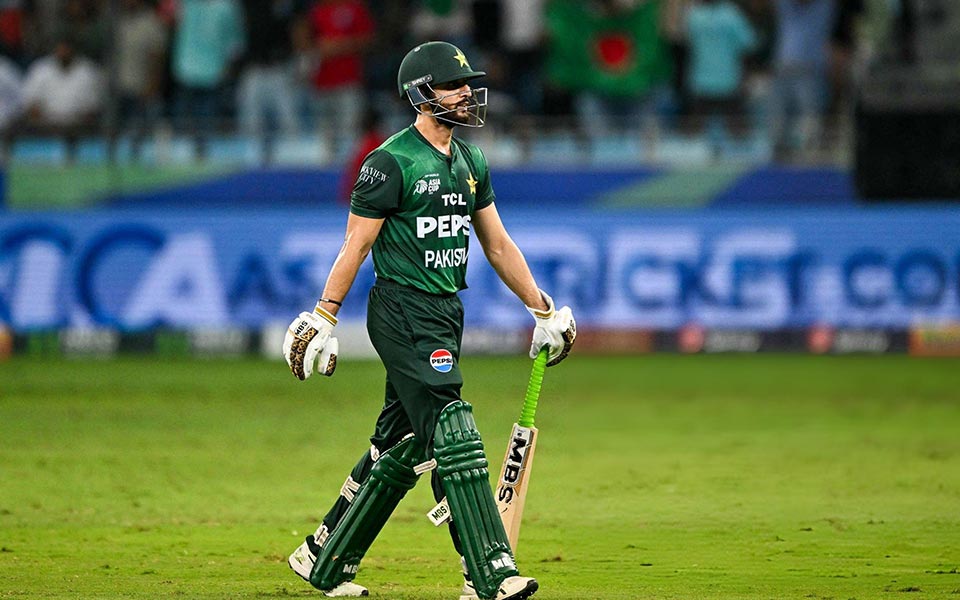
Pakistan’s decision to appoint Salman Ali Agha reflects a preference for tactical stability and adaptability. A composed middle-order batter, Salman is viewed as a leader who values structure while remaining flexible based on match situations.
Pakistan’s inconsistency in T20 cricket places immediate pressure on his leadership. Salman’s effectiveness will depend on how well he integrates Pakistan’s pace-heavy bowling attack with controlled middle-over strategies. With the bat, he has scored 736 runs in 39 T20I innings at an average of 23.74 and a strike rate of 117.20, positioning him as a potential anchor in a batting unit that has struggled for tempo.
All of Pakistan’s group-stage matches are scheduled in Sri Lanka, where slower surfaces are expected to favour disciplined bowling and calculated batting. In such conditions, Salman’s ability to maximise Pakistan’s spin resources and manage totals in the 160–170 range could be decisive.
2. Mitchell Santner (New Zealand)
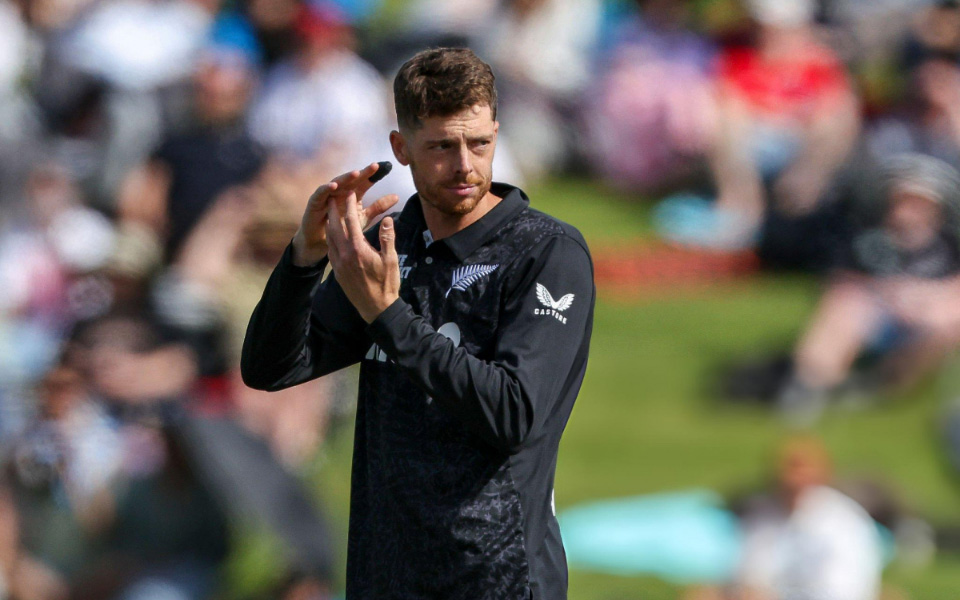
Mitchell Santner will lead New Zealand at a T20 World Cup for the first time, underlining the team’s preference for continuity and calm decision-making. A seasoned all-rounder, Santner provides tactical value with both bat and ball, particularly in spin-friendly conditions.
Santner has played 125 T20Is, scoring 942 runs at a strike rate of 130.30 while evolving into a dependable lower-order hitter. With the ball, he has taken 131 wickets at an economy of 7.20, offering control through the middle overs. As captain, he has won 23 of 43 T20Is, providing a stable leadership base.
After a group-stage exit in the previous edition, New Zealand will aim for a stronger showing. Santner’s ability to deploy a variety of bowling and batting options according to conditions will be key as the side targets its first T20 World Cup title.
1. Shai Hope (West Indies)
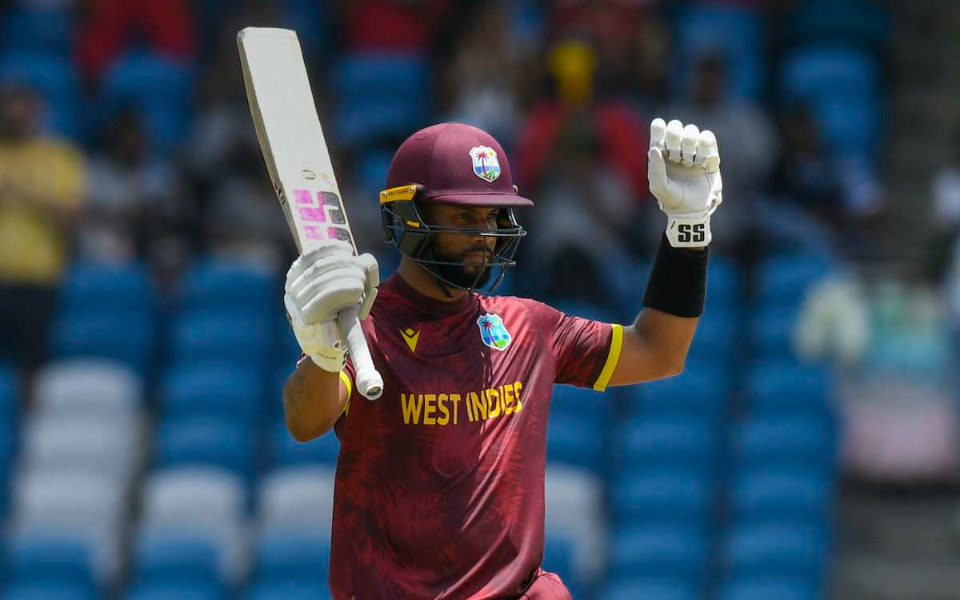
Shai Hope will lead two-time champions West Indies as the side enters a rebuilding phase focused on balance and role clarity. Traditionally known for power rather than stability, Hope’s leadership reflects a shift towards structure and consistency.
Hope has scored 1,403 runs in 56 T20I innings at a strike rate of 137.69, offering reliability through the top and middle order. As captain, however, he faces a demanding task, having won five of his 19 T20Is in charge. The World Cup presents an opportunity to reset momentum and re-establish West Indies’ identity.
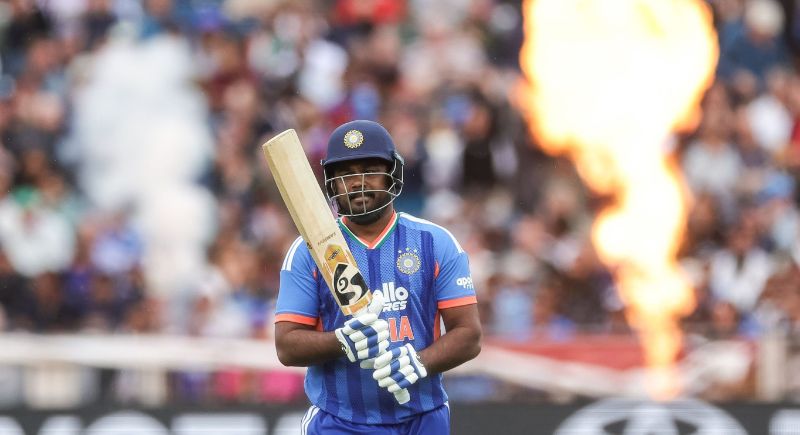 Why Sanju Samson didn’t deserve to be dropped: 3 Key Reasons
 Bangladesh batting let the team down in Zimbabwe despite record haul, says Nahid Rana
 ‘I would love to play some cricket with Virat Kohli’ – Novak Djokovic reveals India visit plans during Wimbledon 2026
 Former Afghanistan pacer Shapoor Zadran passes away after prolonged illness