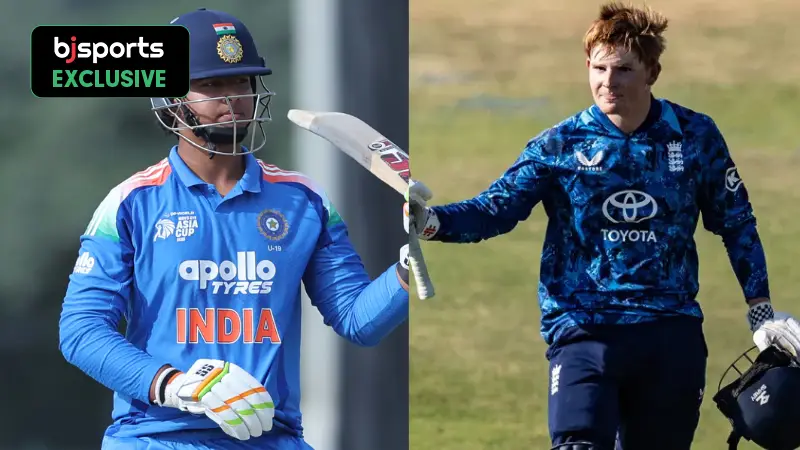
The Thomas Rew vs Vaibhav Sooryavanshi battle is the tactical hinge on which the ENG U19 vs IND U19 final swings. England’s innings stability depends on Rew’s accumulation and control (299 runs, 74.75 average, 101.01 SR), while India’s tempo is powered by Sooryavanshi’s explosive scoring (264 runs, 147.49 SR, 44.00 average). That contrast anchor versus accelerator shapes both strategy and scoreboard pressure. In a title match where phases matter more than flair, this crucial player battle will determine whether the game becomes a 240–260 grind or a 300-plus shootout. Whichever player imposes his tempo likely hands his side the trophy.
Rew’s Control Over Middle Overs
Rew does not attempt to play for individual big shots. Instead, Rew creates an architectural structure for his innings through his risk management in his batting style.
Rew’s 74.75 average shows both where he is with his batting and how hard it is for bowlers to dismiss him. The majority of collapses happen when a player loses their patience while waiting for the bowler to deliver an over after # 15 and before # 35. Rew has successfully reduced the likelihood of collapsing by rotating strike and taking bowlers off attacking length, giving him the ability to hit a 101.01 strike rate. A strike rate of 101.01 indicates that he can score consistently without losing momentum, a very rare combination.
When Rew reaches 35 overs, England is likely to post a total they can defend. When Rew is removed early, England’s lineup is no longer a mix of aggressive and defensive players and will become a more aggressive, less stable lineup.
Sooryavanshi’s Powerplay Shock Value
Vaibhav Sooryavanshi plays a completely different game. A 147.49 strike rate is a great indicator of boundary-first intent. The player is very good at getting his team off to an aggressive start with the bat and will normally have won the match by the 10-15 over mark. This is a big plus for the captain as it creates scoreboard pressure immediately and therefore limits the number of overs available for batting to potentially weaken the bowlers’ lower order (i.e., the fifth option).
When teams are playing finals, this can be the difference between being on top of the game and having the pressure on you to get wickets quickly to put the opposition back into trouble. If Sooryavanshi reaches 40 runs from 25 balls, then India has got the upper hand in terms of controlling the game. If he gets out early, India’s innings will need to build back up again, something they do not like doing, rather than building on their natural strengths.
Tempo War: Anchor vs Aggressor
This is not merely a top player duel today; it’s a stylistic chess match.
- Rew = stability → depth → 50-over batting
- Sooryavanshi = momentum → intimidation → quick overs
The side that dictates tempo controls field placements, bowling changes, and match narrative.
If England bats first, Rew slows volatility and sets up a defendable score. If India chases, Sooryavanshi can make targets look 20 runs smaller. That’s why their individual contributions have outsized match impact.
Expert Context — When One Duel Decides Youth Finals
History Favors the Dominant No.3. Youth finals often hinge on one specialist batter. Think of past tournaments where a single composed No.3 or aggressive opener dictated outcomes, the player who either soaked pressure or shattered it.
Rew resembles the classical accumulator archetype seen in many championship wins: bat long, deny collapses. Sooryavanshi mirrors modern white-ball disruptors who end contests inside 30 overs.
England are likely to bat out (post) or play aggressively chasing if Rew makes it past fifty; similarly, if Sooryavanshi fires first, India will have momentum by the time England get going as a unit. The score will show which team had an advantage almost immediately.
My prediction: the player who plays naturally for him will be the one who will win. I don’t see them winning by much. In pressure cricket, one player often tilts everything, and the Thomas Rew vs Vaibhav Sooryavanshi battle is that pivot.
FAQs
What time does the ENG U19 vs IND U19 final start?
The match is scheduled at 1.00 pm IST.
Where can I watch the match live?
Watch live on Official TV partners and on the Sportslivehub streaming platform.
Which player is likely to have the biggest impact?
Thomas Rew for stability or Vaibhav Sooryavanshi for explosive starts, whoever performs better likely decides the result.
Disclaimer: This Exclusive News is based on the author’s understanding, analysis, and instinct. As you review this information, consider the points mentioned and form your own conclusions.
 Which Bowlers Will Control the Middle Overs in Limpopo vs Border CSA T20 Challenge 2026?
 Which Player Duel Could Decide Limpopo vs Border, Match 40 of the CSA T20 Challenge 2026?
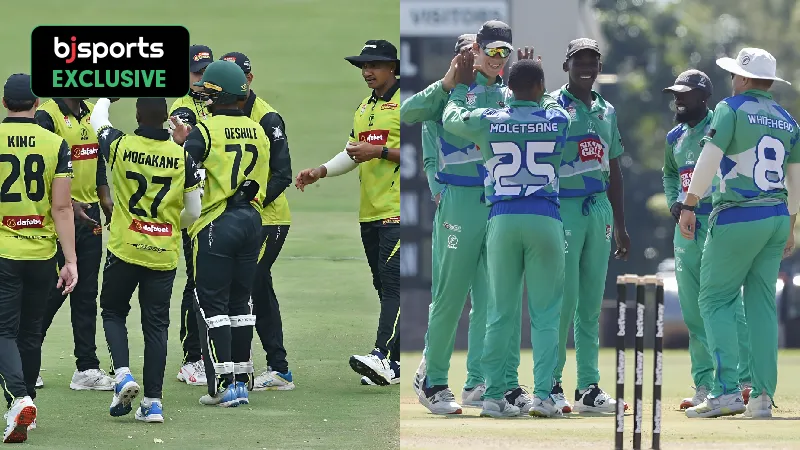 Which Side’s Key Players Hold the Edge in SWD vs Warriors, Match 39 of the CSA T20 Challenge 2026?
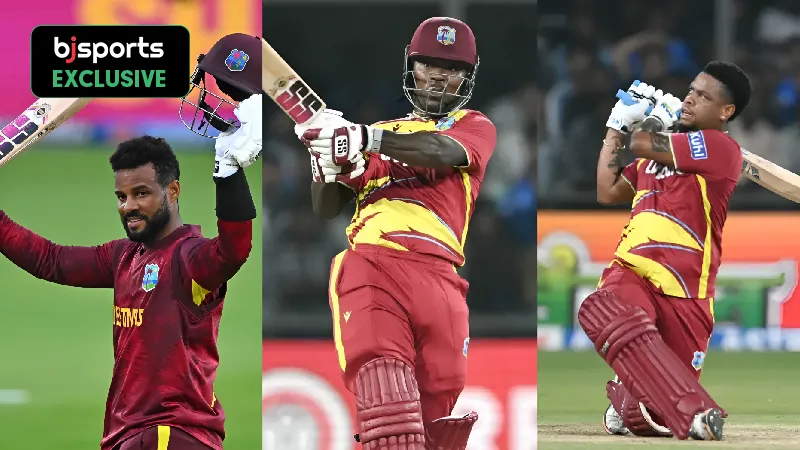 3 West Indies Batters Who Could Be a Threat to India in 4th T20I