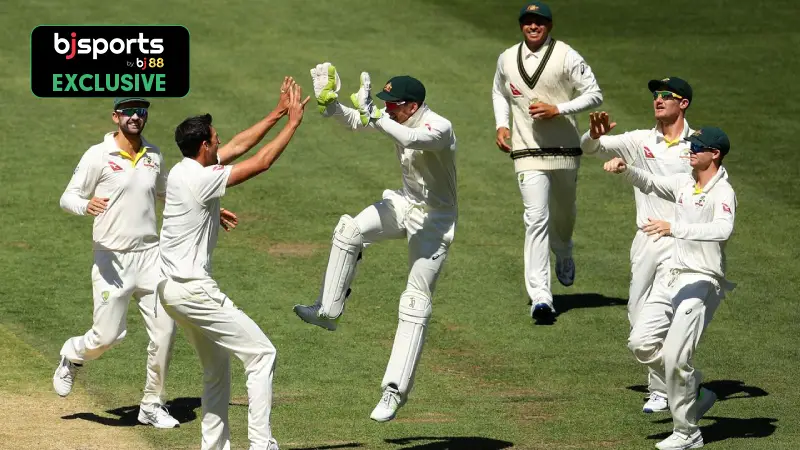
While Cricket does have rivalries, there is one rivalry that stands alone as “The Ashes.” So old (the first match was played before the invention of the lightbulb), yet so alive, it continues to trend higher on social media than the Indian Premier League. The idea of “The Ashes” originated from an English newspaper’s obituary of English Cricket back in 1882; however, this is one sporting rivalry that seems to be passed down through generations rather than just another event. As an English and Australian cricketer, every player dreams of not winning a trophy but of getting back, or keeping, something that will fit into a teacup.
Over 140 years, the Ashes series has survived all manner of empires; it has witnessed wars and produced an abundance of cricket folklore beyond that of any other. The Ashes is not simply a contest between two nations – It is a theater of both national pride and shared obsession. But how can this relic from the 19th century continue to be so captivating for a 21st-century public who have grown up with the quick-fire excitement of Twenty-20 Cricket and YouTube highlights?
A Rivalry Born from Humiliation
It all began when an Australian win at The Oval was so surprising that it left the English pride dented for years after that; The Sporting Times published a mock obituary declaring “English Cricket is Dead”, its “ashes” would be taken to Australia. They didn’t intend for the phrase to last, but they created one of sports’ most iconic and enduring symbolic missions.
When England’s Captain Ivo Bligh decided he would “take back the Ashes,” he took the joke very literally, as the return tour saw a small urn made of terracotta that included the supposed ashes of a burned bail (cricket’s most beautiful souvenir) given to him in what had started as a joke. The urn has since become one of the most iconic relics in the world of sports, even though it is not an official trophy, located in the home of English Cricket, Lord’s.
When National Pride Meets Cricketing Theatre
The Ashes is far from just a sport; it is about people’s identities. The rivalry in each test is an emotionally charged battle for the hearts of two countries that, as nations, are fundamentally different in their culture, temperament, and approach to the game. Traditionalist England vs. swashbuckling Australia; patient England vs. aggressive Australia, etc., will forever be at odds.
In fact, the battle in each contest for the “heart and soul” of Test Cricket is a metaphorical vote by both nations as to what should define the true spirit of Test Cricket. From Bodyline in 1932 to the 2005 test, the battles, which were once only about who could win the most matches, are now also about the psychology of being the “empire” or the “rebel”, as well as about how much tradition or how much disrespect one nation has toward another. Even those without a team to support can’t help but feel like they are a part of the story, as if every single pitch was loaded with all of the history of the world.
Legends Forged Under Pressure
While greatness in cricket may exist independently, it is only immortalized as “greatness” in The Ashes. The 974 runs by Bradman in 1930, Botham’s miraculous Headingley performance in 1981, Warne’s “Ball of the Century” in 1993, and Stokes’ 2019 Headingley theft – all these performances read like the Hall of Fame for Test Cricket.
Because of both the pressure and the intense scrutiny that The Ashes attracts, this series provides a melting pot in which the average player can either melt under the heat of competition or rise above their peers to become legendary. Players build careers, reputations are rewritten, and national moods rise and fall with one spell of bowling or one inning of batting. Even though the white ball has come to dominate modern cricket, nothing evokes such grandeur as winning an Ashes Summer.
Test Cricket’s Last Great Epic
The Ashes is not just an event – the Ashes has become the moral compass for all of cricket. The Ashes reminds us that while sports can be full of new and exciting ideas, it is the old, the history, the rivalry, and the never-ending quest to redeem ourselves that are at the heart of what we love most about sport. Although the urn itself is small, almost fragile, the urn is symbolic of one of the greatest contradictions in cricket, a game that prides itself on being civilized, while at the same time fueled by the fiercest national pride.
While there are always going to be two countries that compete in the Ashes as long as they continue to have teams competing in Test Cricket, the Ashes will forever be the pulse of cricket and a storybook of all of the beautiful, harsh, and enduring elements of Test Cricket.
Key Takeaway:
The Ashes isn’t just history preserved, it’s history reborn every two years.
FAQs
1. Why is The Ashes called “The Ashes”?
The name originated from a satirical 1882 obituary declaring English cricket dead, with its ashes taken to Australia.
2. What does the Ashes urn contain?
It’s believed to hold the ashes of a burnt cricket bail, symbolizing England’s lost cricket “body.”
3. How often is The Ashes played?
The Ashes series is held roughly every two years, alternating between England and Australia.
Disclaimer: This Exclusive News is based on the author’s understanding, analysis, and instinct. As you review this information, consider the points mentioned and form your own conclusions.
 Top 3 Bowlers to Watch Out for in Test Series Between Bangladesh and the West Indies
 Predicted Playing XI of Bangladesh for First Test Against West Indies
 Predicted Playing XI of Sri Lanka in 5th Match of Tri-Series Against Pakistan
 Predicted Playing XI of Pakistan in 5th Match of Tri-Series Against Sri Lanka