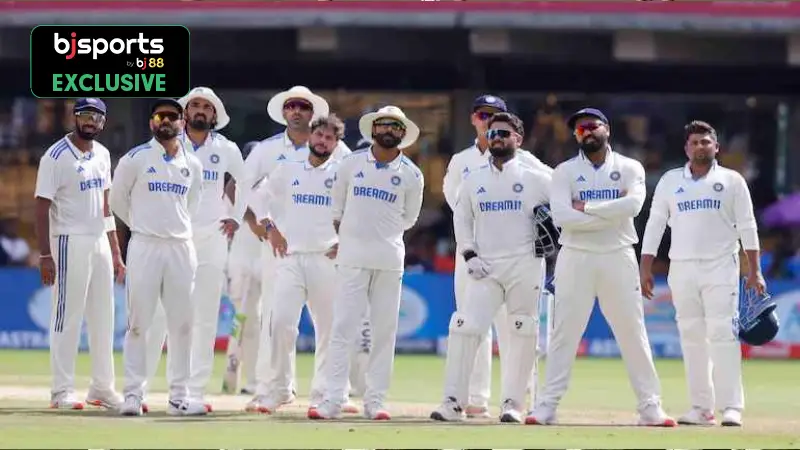
In the unpredictable world of India’s T20 campaign in Australia, after two intense games, the series remains in a precarious state with just one victory separating India from taking back control. The Bellerive Oval in Hobart is well known for its quick seam to start, then it becomes flat as the game goes on, and therefore it is necessary for Indian batsmen to be aggressive yet patient. Shubman Gill, who has an average of 42.5 in this tour, is likely to come under pressure immediately from an Australian bowling line-up that will probe his defense. Suryakumar Yadav, the attacking captain of India, must walk the tight rope of being able to hit big shots and also anchor the innings in a ground like Hobart, where early wickets can dictate the flow of the game.
Seam Threat Meets Batting Strategy
India’s opening bowling is hard to prepare for. In terms of the fast bowlers that could be used by India to open up, with Bumrah leading the way and Harshit Rana bringing new legs, it will be possible to get wickets early. The trick to doing this is to have enough firepower at the top of the batting order to attack the Australian top order while limiting how much they are exposed to the swinging ball through the middle overs. Shubman Gill has a very level head when batting and uses his feet to play his shots, which creates an interesting contrast to the flair for hitting gaps that Abhishek Sharma has as a batsman. A small amount of irony exists here; although India may need to temper their normal T20 approach early on to achieve success, they should still aim to post a score of over 180 (a difficult balance to achieve mentally).
Spin Arsenal’s Strategic Deployment
Historically, Australia’s middle order has struggled to handle unorthodox spin. Kuldeep Yadav and his left-arm wrist spin, and Varun Chakravarthy and his leg break options provide additional strategic options in Hobart’s slower patches. Axar Patel is a slow left-armer with the ability to create uncertainty when combined with Shivam Dube, who has an off-spin medium paceman hybrid option as well. India will be using this combination of two different bowlers to create an unpredictable rotation for the Australian batsmen. With this selection, India is focusing on being adaptable to the conditions rather than just relying on big hitting from their batsman, whether or not the Indian spinners are able to dominate the Australian batting lineup through timing.
Middle-Order Calculus Under Pressure
The core players for the Indian team are Sanju Samson, who can keep wicket and also provide the required middle-order stability, while Suryakumar Yadav is the team’s captain and most aggressive player in terms of batting. Both of these players can accelerate or consolidate based on how many early wickets fall. In addition to providing this flexibility, Tilak Varma adds depth to the team by being a left-hander and adds a different type of angle to the attack, which is important against an attack that is sensitive to angles. The key analytical challenge for India will be to quickly transition from a consolidation mode to an acceleration mode once they lose early wickets; historically, it is this type of transition that has determined the outcome of all of India’s T20 games and was specifically evident during India’s 2023 tour of Sri Lanka when the Indians’ failure to read the middle order correctly cost them several crucial matches.
Key Takeaway:
India’s Hobart XI is built for adaptability, not just power.
FAQs
1: What makes Bellerive Oval tricky for India?
Early seam movement can threaten openers, while the pitch slows in the middle, challenging timing.
2: Why include both Kuldeep and Varun?
To exploit spin-friendly middle overs with varied angles and wrist variations against a disciplined Aussie lineup.
3: How crucial is middle-order stability?
Sanju Samson and Suryakumar Yadav must pivot between consolidation and acceleration; their performance often dictates the match outcome.
Disclaimer: This Exclusive News is based on the author’s understanding, analysis, and instinct. As you review this information, consider the points mentioned and form your own conclusions.
 Top 3 Bowlers to Watch Out for in Test Series Between Bangladesh and the West Indies
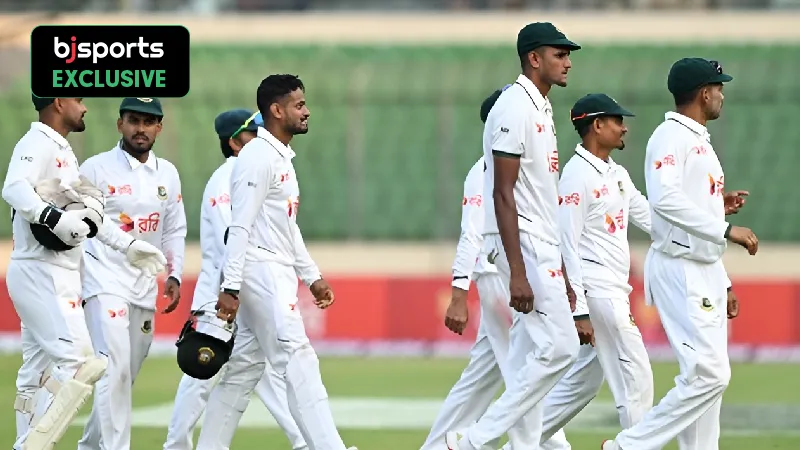 Predicted Playing XI of Bangladesh for First Test Against West Indies
 Predicted Playing XI of Sri Lanka in 5th Match of Tri-Series Against Pakistan
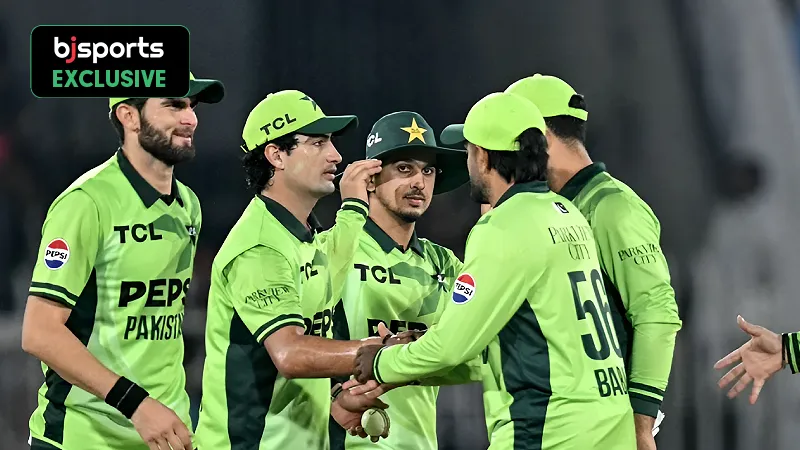 Predicted Playing XI of Pakistan in 5th Match of Tri-Series Against Sri Lanka