Indian selectors often find themselves under scrutiny for their team selections, whether for bilateral series or multi-nation tournaments. The Board of Control for Cricket in India (BCCI) can name a maximum of 15 players in a squad, with a few stand-by players for overseas tours. When the series is held in India, the selectors prefer a compact squad, making competition for spots even more intense.
In India’s vast domestic circuit, many cricketers consistently deliver standout performances in tournaments such as the Ranji Trophy, Vijay Hazare Trophy, and Syed Mushtaq Ali Trophy. These players pile up runs through back-to-back centuries or take regular five-wicket hauls, often topping statistical charts. Yet, despite their brilliance, several of them continue to wait for a maiden national call-up.
One of the primary reasons for this is the limited availability of spots in the senior Indian side. Only eleven players can take the field, with four to five backups covering each department, batting, pace, spin, wicketkeeping, and all-round options. This makes it difficult for newcomers to break into a settled lineup unless there are injuries or significant dips in form among current players.
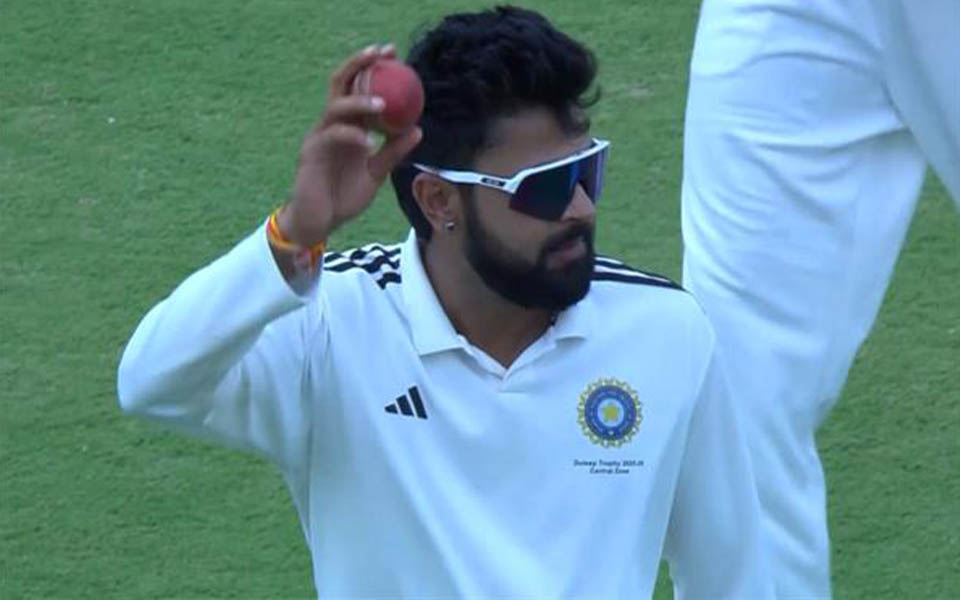
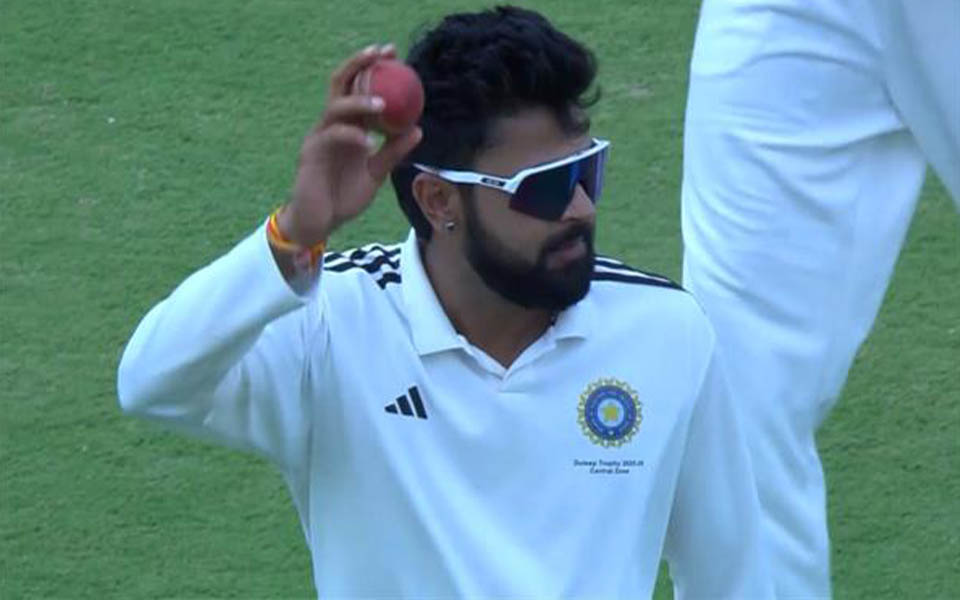
Take, for instance, Saransh Jain and Harsh Dubey, two domestic all-rounders who have impressed in the Ranji Trophy and India A matches. Despite their performances, breaking into the senior Test team is challenging because India already has established spin-bowling all-rounders like Ravindra Jadeja, Axar Patel, and Washington Sundar. For newcomers to make the cut, they must outperform these proven names or wait for opportunities created by injuries or rotation.
Similarly, the search for a reliable No. 3 batter has seen players such as Karun Nair and Sai Sudharsan being tested. However, domestic success does not always translate seamlessly to the international stage. A player like Saransh, while successful in domestic cricket, may not fit the same role internationally due to different team requirements or match conditions.
Another key factor is the difference in standard between domestic and international cricket. The quality of bowling attacks, pitch conditions, and overall intensity at the global level are far higher. Selectors must therefore balance rewarding domestic consistency with ensuring the player can adapt to the demands of international cricket. These factors collectively explain why many consistent domestic performers remain on the fringes, waiting for the elusive opportunity to represent India.
 ‘He’s a very sorted kid’ – Dinesh Karthik hails 21-year-old record-earner after Hundred Men’s auction
 Full list of BCCI Naman Award recipients revealed, India’s ICC trophy-winning teams to be honoured
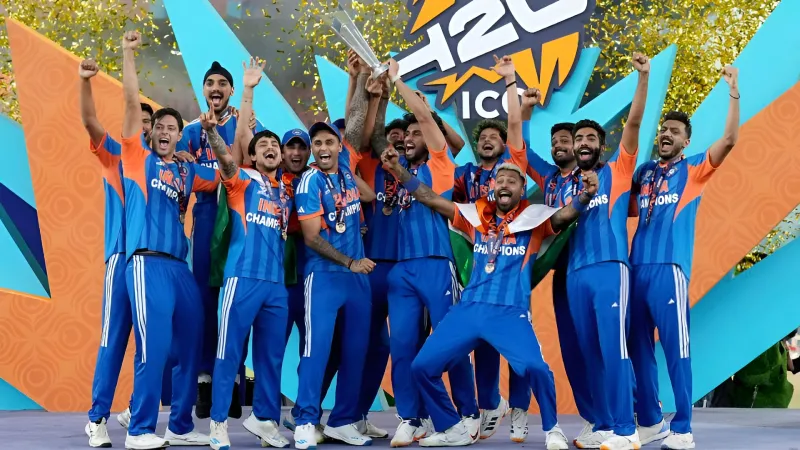 Ranking all T20 World Cup finals in history
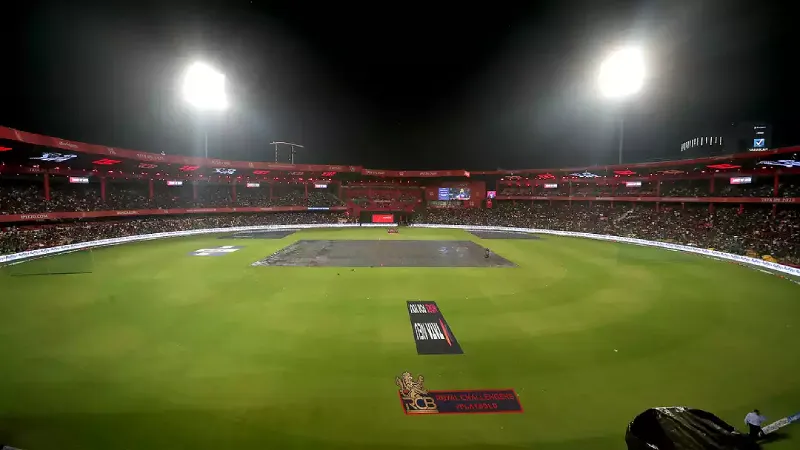 More updates on IPL 2026 at M Chinnaswamy Stadium expected on March 16: KSCA