Hagley Oval has long provided a stage where the randomness of New Zealand conditions meets with England’s aggressive white-ball ambitions. In the first T20I of this tour, England flirted with early collapses before recalibrating their approach halfway through. The irony? The pitch that promises batting fireworks once settled inflicts horrors on plans in the first six overs, often with the movement and moisture
Salt and Buttler: The Fragile Powerhouse
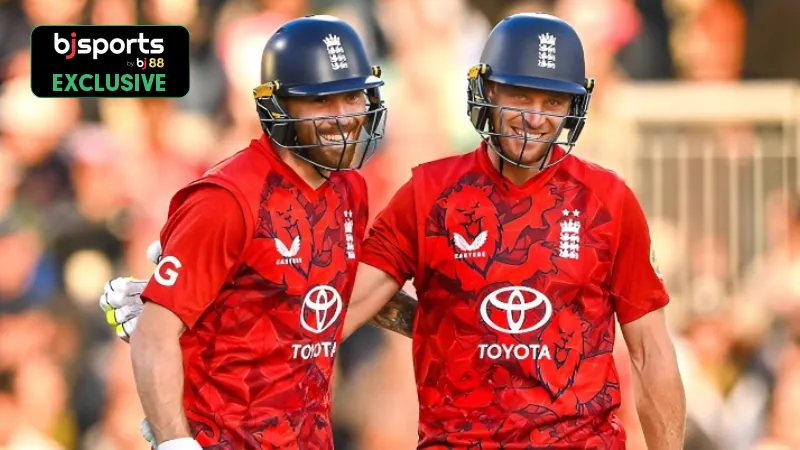
England’s new opening pair will be under the twin pressures of needing to strike quickly but also survive the initial movement that Hagley will give the ball. Phil Salt is both mentally suited to take on the odd half-volley that may present itself to him, but his recent overseas record indicates vulnerability against new-ball swinging deliveries, as with an average of just 18.5 in New Zealand T20s that aspect which shows he will need to be guarded. Buttler, meanwhile, is England’s stabilizer and accelerant—his early pressure he can stand and absorb, which he can then turn into dominance through the medium of boundaries.
Middle-Order Conundrum: Experience Meets Experimentation

Jacob Bethell, Harry Brook (captain), Tom Banton, and Jordan Cox provide a potent combination of raw aggression and tactical maturity. Brook’s captaincy will not only be tested with the ball, but also when it comes to the timing of shot selection: Hagley rewards smart risk-taking over blind power. Banton, whose strike rate in T20 cricket is around 145, can transform a close situation into a flurry of runs, but may be susceptible to disciplined seamers who exploit swing. Bethell and Cox give England extra flexibility, in that they can bat effectively anywhere between the No 3 and No 6 positions, but their selection illustrates a wider experiment: the balance between youth and explosiveness, and the requirements of a pitch demanding subtlety and swing.
All-Round Balance: Curran, Carse, Dawson

The technical options available to England in the form of Sam Curran, Brydon Carse, and Liam Dawson present strategic options. Curran’s left-arm seam will take advantage of the early movement which Hagley affords, while the right-arm pace of Carse will produce opportunities for wicket-taking at the death. It is anticipated that Dawson’s slow left-arm orthodox will bowl through the middle of the innings as the pitch settles. The strategic conundrum here is obvious: England must take wickets early, but not overuse the seamers and keep the door wide open for follow-ups.
Spin and Pace: Rashid and Wood’s Complement

Adil Rashid’s leg-spin is more than a containment option and a weapon against New Zealand’s tendency to play aerially in middle overs. Luke Wood provides left-right seam balance with the other left-armer Carse and Sam Curran, and also a variation in pace, which is essential at Hagley, where the lateral movement is more pronounced early in the innings, dying out as the ball becomes softer. The bowling strategy for England should rely on reading Hagley’s subtle differences in pace and playing on the batsmen’s impetuosity.
The second T20I XI for England at Hagley Oval is a delicate balance between aggression and moderation. The early overs will dictate the tempo of scoring, while bowling skill and information in the middle and death overs will be tested.
Key Takeaway:
England’s Hagley challenge is less about firepower and more about swing discipline.
FAQs
1: What makes Hagley Oval challenging for England?
Early-season moisture and swing-friendly conditions can rattle batsmen in the first six overs.
2: Why is the middle order so critical?
Brook, Banton, Bethell, and Cox must balance aggression with smart risk management to stabilize or accelerate innings.
3: How will England’s bowlers exploit the pitch?
Seamers like Curran, Carse, and Wood target early lateral movement, while Rashid and Dawson control middle overs once swing diminishes.
Disclaimer: This Exclusive News is based on the author’s understanding, analysis, and instinct. As you review this information, consider the points mentioned and form your own conclusions.
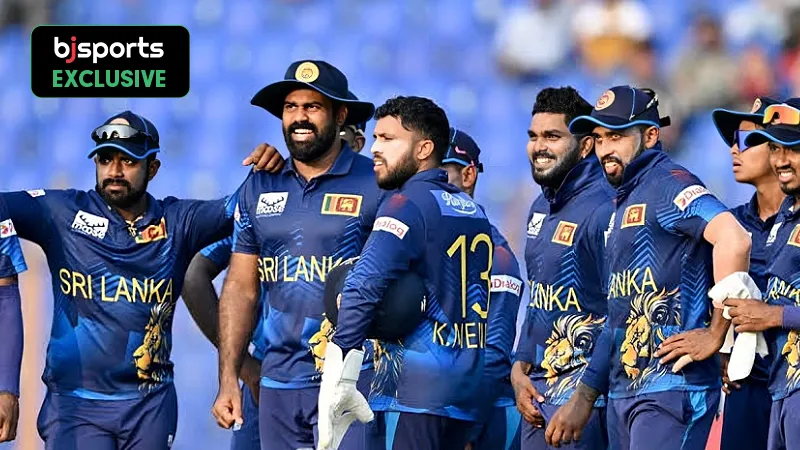 Predicted Playing XI of Sri Lanka in 2nd T20I against England
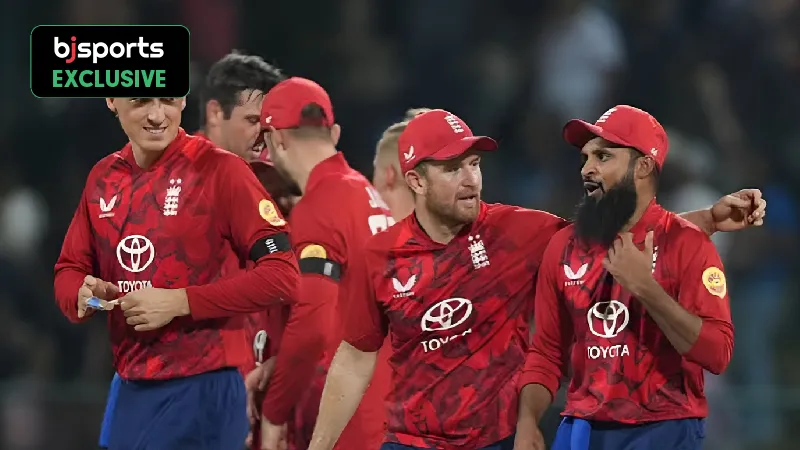 Predicted Playing XI of England in 2nd T20I against Sri Lanka
 Top 3 player battles to watch out for in Match 35 of CPL 2026 between Barbados Tridents and Guyana Amazon Warriors
 Top 3 bowlers to watch out for in Match 35 of CPL 2026 between Barbados Tridents and Guyana Amazon Warriors